The 2026 Levels Guide to hypertension
High blood pressure can silently cause damage throughout your body. Understanding how—and how you can fight back—can add years and vitality to your life.


Blood pressure is more than something that spikes when someone cuts you off in traffic. It’s a metabolic health marker that impacts most systems in your body and influences how long you live.
Nearly half of American adults have hypertension (high blood pressure), according to the American Heart Association, yet about 40 percent are unaware they have the condition, which often has no symptoms. Left unchecked, this “silent killer” increases the risk of heart failure, stroke, Alzheimer’s disease, kidney failure, reproductive health problems, and more.
Get more deep-dives like this delivered to your inbox
Sign up to make sure you see our latest articles, as well as recipes and discounts
Although some hypertension risk factors are genetic, many are within our control: Dietary changes, exercise, medication, and more can help manage high blood pressure.
This guide explores how blood pressure regulation is a cornerstone of metabolic health, its connections to longevity, and how maintaining healthy blood pressure can help preserve cardiovascular, renal, neurological, and endocrine health.
What is hypertension?
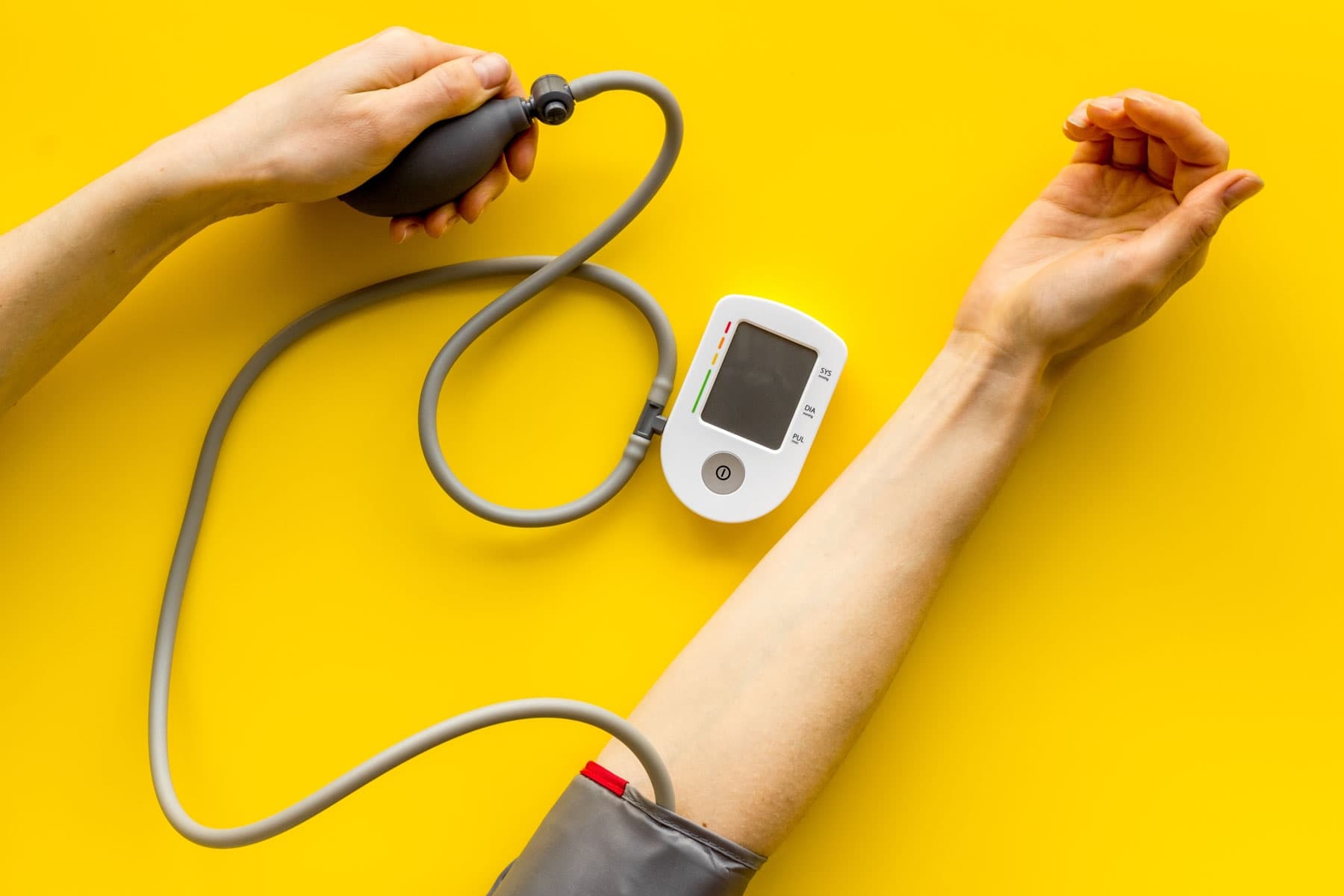
Hypertension is the term for high blood pressure. Blood pressure measures the force of blood against the walls of your major arteries. It’s made up of two numbers:
- Systolic (the first or top number): pressure when your heart pumps blood
- Diastolic (the second or bottom number): pressure between heartbeats
According to the American Heart Association and the American College of Cardiology, blood pressure categories include:
- Normal: <120 mm Hg systolic and <80 mm Hg diastolic
- Elevated (prehypertension): 120-129 mm Hg systolic and <80 mm Hg diastolic
- Hypertension stage 1: 130-139 mm Hg systolic or 80-89 mm Hg diastolic
- Hypertension stage 2: ≥140 mm Hg systolic or ≥90 mm Hg diastolic
- Hypertensive crisis: >180 mm Hg systolic and/or >120 mm Hg diastolic (seek immediate medical attention to prevent organ damage and potential death)
Hypertension can be primary (essential) or secondary. Most people with hypertension have primary hypertension, which means ongoing high blood pressure with no known cause. Secondary hypertension develops from a medical condition or medication use (such as NSAIDs, ADHD drugs, antidepressants, and decongestants).
Short-term spikes in blood pressure—from things like an intense workout or anxiety—are normal, and your blood pressure typically returns to baseline well within an hour. Hypertension is diagnosed when your blood pressure is consistently elevated, which is usually confirmed with multiple readings.
Additionally, some people experience “white coat” hypertension, or elevated blood pressure only in medical settings. A 2024 study in Current Hypertension Reports found a slight but definite increase in risk for heart problems and chronic hypertension in people who experience this. Similarly, masked hypertension—a normal reading in the office but elevated readings elsewhere—can also increase cardiovascular risk, particularly because it may receive less attention than other forms of hypertension.
How does blood pressure regulation work in the body?
Blood pressure regulation involves several systems. The body wants to maintain a blood pressure high enough to circulate blood (and, in turn, oxygen and nutrients) to all tissues and organs but low enough to avoid damage to the cardiovascular system.
Baroreceptors in your blood vessels act as the primary monitoring system. These sensory receptors constantly scan for pressure changes and, if a decrease or increase is detected, signal your nervous system to shift into action.
If blood pressure drops, for example:
- The sympathetic nervous system (your “fight or flight” response) tells the adrenal glands to release epinephrine and norepinephrine. These hormones increase heart rate, constrict blood vessels, and push more blood into arteries, raising pressure.
- The kidneys activate the renin-angiotensin-aldosterone system (RAAS), a hormonal system that helps maintain blood pressure. The system triggers an enzyme reaction that produces angiotensin II, which constricts the small artery walls and stimulates the release of aldosterone and vasopressin. These hormones tell the kidneys to retain more sodium, which causes the body to retain more water, increasing blood volume and blood pressure.
If blood pressure rises too high, the parasympathetic nervous system works to slow the heart rate, and the kidneys release more sodium and water.
Causes and top risk factors for hypertension
Knowing your hypertension risks— genetic and lifestyle—can help you be proactive about your heart health. The risks differ for primary and secondary hypertension.
Primary (essential) hypertension
Primary hypertension has no known cause. However, several risk factors are believed to contribute to its development.
- Genetics: Some studies estimate that genetics may influence blood pressure by anywhere from 30 to 70 percent, though we don’t know the responsible genes.
- Age: Blood pressure (especially systolic pressure) tends to increase with age due to a natural hardening and stiffening of the arteries. As we age, we also become more sensitive to salt, and salt intake can influence blood pressure.
- Obesity: Blood pressure increases with body mass index (BMI). Obesity appears to compress the kidneys, causing them to retain more sodium and fluids, and activate the RAAS. It may also trigger the release of various inflammatory molecules.
- Sex: Men are more likely than women to develop high blood pressure before age 55, while women have a higher risk after menopause. More than 75 percent of women over the age of 60 have hypertension, likely because of the decline in estrogen. Estrogen increases the production of nitric oxide, which promotes vasodilation, or widening of the blood vessels, which makes it easier for blood to flow through them.
- Race: Black adults have the highest rates of hypertension. An extensive analysis found that Black adults had a hypertension prevalence of 45.3 percent, while white Americans had a prevalence of 31.4 percent, Hispanic Americans 31.6 percent, and Asian Americans 31.8 percent. The reasons for these differences are not fully understood. Theories include certain groups having less comprehensive health insurance, worse access to health care, less use of antihypertensive therapies, differences in sodium retention and nighttime blood pressure, and early experiences of poverty.
- Salt consumption: High salt intake (federal dietary guidelines limit intake to 2,300 milligrams per day, while the American Heart Association says 1,500 mg daily) can boost blood pressure. The sodium in salt causes your heart to pump more blood and narrows your blood vessels over time. The INTERSALT study found that high salt intake and low potassium intake independently correlated with higher blood pressure.
- Physical inactivity: A sedentary lifestyle can cause blood vessels to constrict, forcing the heart to work harder to pump blood. It can also lead to weight gain and insulin resistance, which can result in constricted blood vessels, increased inflammation, and salt and water retention.
- Alcohol and tobacco use: Alcohol increases hypertension by constricting blood vessels, overactivating the sympathetic nervous system, and causing the kidneys to secrete too much magnesium and potassium. Similarly, smoking can constrict blood vessels and increase sympathetic nervous system activity.
- Stress: Stress activates the “fight or flight” response, increasing blood pressure and releasing hormones that constrict blood vessels. Over time, this can contribute to hypertension.
- Sleep: Disturbances in sleep (such as sleep apnea and shift work) or insufficient sleep may prevent the natural drop in blood pressure during sleep. Research links a decline in this “nocturnal dipping” to a higher risk of cardiovascular problems.
- Socioeconomic level: Studies have found that people with less income and education in high-income countries are more likely to have hypertension.
- Caffeine: Coffee and other caffeinated beverages can increase blood pressure in the short term. However, long-term use doesn’t appear to be harmful and may even benefit heart health.
- Anxiety: Anxiety can also acutely increase blood pressure by activating the sympathetic nervous system. Chronic stress may lead to hypertension, and people with anxiety are more likely to have hypertension.
Secondary hypertension
Some of the most common causes of secondary hypertension are:
- Kidney disease
- Sleep apnea
- Endocrine disorders, such as primary aldosteronism and Cushing syndrome
- Coarctation of the aorta (narrowed aorta)
- Preeclampsia (high blood pressure during pregnancy)
- Regular use of nonsteroidal anti-inflammatory drugs
Why blood pressure matters for longevity and metabolic health
High blood pressure increases health risks and impacts our exercise tolerance, cognitive ability, and sight—often without obvious symptoms until things progress significantly.
Cardiovascular system
The Framingham Heart Study (a long-term study on cardiovascular risk factors in more than 15,000 people from three generations) found that prehypertension increases cardiovascular disease risk, while hypertension doubles heart failure risk in men and triples it in women when specific risk factors and age are taken into account.
Hypertension damages the endothelium (the thin layer of cells lining blood vessels). This can cause thickening of arteries and contribute to the development of atherosclerosis (the buildup of plaque in artery walls) and vascular aging (an acceleration of the natural aging of arteries). Over time, high blood pressure can also cause the heart’s left ventricle to enlarge, forcing it to work harder, which can lead to arrhythmias and heart failure.
Brain
Hypertension can cause stroke and problems with memory. Because high blood pressure can lead to clots that reduce blood flow to the brain, each 10 mm Hg increase in systolic blood pressure increases the risk of both ischemic and hemorrhagic stroke by about 25 percent.
Hypertension also damages small blood vessels and white matter in the brain, which can lead to cognitive decline. A 2020 study of more than 7,000 adults in Brazil found that high blood pressure in older adults accelerated memory declines and in middle-aged adults, regardless of how long the person had hypertension.
And hypertension may contribute to Alzheimer’s disease by damaging brain blood vessels, causing inflammation, altering the function of the blood-brain barrier, and disrupting the clearance of amyloid-β, the main component of plaques whose buildup is associated with Alzheimer’s. Midlife stage 1 and stage 2 systolic hypertension are associated with an increased risk of Alzheimer’s by 18 percent and 25 percent, respectively.
Kidneys
Hypertension is the second-leading cause of kidney failure worldwide, contributing to 30 percent of new cases. Increased sympathetic nervous system activity and damage to endothelial cells in renal blood vessels can reduce blood flow to the kidneys, depriving them of nutrients needed to function. To make matters worse, hypertension can create a cycle where an overactive RAAS causes the kidneys to retain more sodium and fluids, further increasing blood pressure.
Eyes
Uncontrolled hypertension causes repeated constriction and narrowing of the arteries in the eyes. Over time, this can damage the retina, a condition called hypertensive retinopathy. In severe cases, fluid buildup from leaky blood vessels in the retina can lead to macular edema, which causes blurry vision or even central vision loss. In addition, hypertension may slow blood flow to the optic nerve, which could increase the risk of glaucoma. People with diabetes and hypertension are also at risk for diabetic retinopathy and vision loss.
Metabolic health
People with hypertension often have insulin resistance, impaired glucose metabolism, and a greater risk of Type 2 diabetes than people without it. It’s unclear, though, which causes which, or if they’re independent consequences of the same dysfunction in the body. Insulin resistance may lead to hypertension by causing the kidneys to retain more sodium, activating the sympathetic nervous system, and creating calcium buildup in smooth muscle cells (insulin normally helps regulate this).
Conversely, hypertension may cause insulin resistance by impairing blood vessel dilation in skeletal muscle and limiting insulin delivery to cells in these muscles. People with hypertension may also have higher-than-normal levels of aldosterone, a hormone that can increase insulin resistance and decrease the pancreas’s ability to secrete insulin.
Additionally, high blood sugar and hypertension are two of the markers of metabolic syndrome, a group of conditions that raise the risk of heart disease and stroke.
Hypertension also often co-occurs with dyslipidemia (high levels of fats in the blood), since both frequently occur in people with obesity and involve endothelial dysfunction and oxidative stress. Oxidative stress reduces the production of nitric oxide, a molecule that helps lower blood pressure by dilating blood vessels.
But, as with insulin resistance, it can be tricky to tell which condition developed first, and the relationship is likely bidirectional.
Gut health
Emerging research shows that hypertension alters gut microbial composition and the gut barrier, increasing the amount of harmful bacteria in the gut and decreasing the amount of helpful bacteria. On the flip side, gut dysbiosis can promote hypertension by increasing inflammation, activating the RAAS, and creating oxidative stress. It can also trigger the release of metabolites such as trimethylamine N-oxide, which is linked to hardening of the arteries and an increased risk of heart attack and stroke.
Reproductive health
High blood pressure may impact male fertility and male and female sexual satisfaction.
Men with hypertension may have a lower sperm count and less semen volume (possibly making it more difficult to conceive) and a higher prevalence of erectile dysfunction compared to normotensive men because damaged penile blood vessels can’t dilate as well.
Women with hypertension may experience less vaginal lubrication, less frequent orgasm, and more genital pain. Hypertension can decrease blood flow to the vagina and clitoris, causing loss of smooth muscle and a hardening of the clitoral arteries. This can make it more difficult for the clitoris to dilate and relax during sexual arousal and lead to vaginal dryness.
Exercise and mobility
Hypertension has been found to reduce exercise capacity by as much as 30 percent, primarily due to decreased diastolic function. You may tire more easily or have shortness of breath, leaving you unable to perform physical activities at a level appropriate for someone your age. This effect is even seen in elite athletes.
Hypertension is also associated with frailty and an increased risk of falls in older adults. Inflammation and the production of catabolic cytokines cause muscle breakdown, increasing the risk of sarcopenia (loss of muscle mass and strength).
How can you manage blood pressure?
High blood pressure can wreak havoc on the body, but it’s manageable—and even reversible—with the proper steps and treatment.
Lifestyle modifications
According to guidelines from the American College of Cardiology and the American Heart Association, treatment for elevated blood pressure or hypertension should start with lifestyle modifications. The most common ones are below.
- Diet: Most people with elevated blood pressure benefit from reducing their salt intake. A 2023 study found an average drop of 8 mm Hg in systolic blood pressure after a week of switching from a high-sodium diet (adding 2,220 mg sodium per day to participants’ usual diets) to a low-sodium diet (500 mg sodium per day). And a meta-analysis of randomized controlled trials of the DASH (Dietary Approaches to Stop Hypertension) diet found that it significantly reduced systolic blood pressure by 6.74 mm Hg and diastolic blood pressure by 3.54 mm Hg. The DASH diet focuses on vegetables, fruit, whole grains, low-fat and fat-free dairy products, fish, poultry, beans, nuts, and vegetable oils, while limiting foods high in saturated fat and sugar.
- Exercise: Physical activity helps improve blood pressure in numerous ways, including contributing to weight loss and better blood vessel functioning. One review study of 270 randomized controlled trials found decreases in blood pressure with two weeks or more of different exercise programs. According to the American Heart Association (AHA), you should aim for at least 150 minutes per week of moderate-intensity aerobic activity or 75 minutes of vigorous aerobic activity, and moderate- to high-intensity muscle-strengthening activity at least two days per week.
- Weight management: A meta-analysis of 25 trials found that a net weight reduction of about 11 pounds through calorie restriction, increased physical activity, or both reduced systolic blood pressure by 4.44 mm Hg and diastolic blood pressure by 3.57 mm Hg. However, smaller losses can also help manage high blood pressure. Talk to your healthcare provider or a registered dietitian to create a plan that works for you.
- Stress reduction: Find ways to reduce your stress. In one study, practicing transcendental meditation (which involves meditating while focusing on a mantra) for three months reduced blood pressure by 12.7 mm Hg systolic and 8.1 mm Hg diastolic in older African American men and 10.4 mm Hg systolic and 5.9 mm Hg diastolic in older African American women. In another study, eight weeks of mindfulness-based stress reduction lead to declines of 4.9 mm Hg in systolic blood pressure and 1.9 mm Hg in diastolic blood pressure in prehypertensive 30- to 60-year-olds. In a review of studies, yoga also reduced systolic (4.17 mm Hg) and diastolic (3.62 mm Hg) blood pressure in hypertensive adults.
- Sleep: The American Heart Association recommends that adults sleep for seven to nine hours per night, and keep to a regular sleep schedule. This gives you the best chance of managing your blood pressure and preventing hypertension.
- Alcohol and tobacco: If you have hypertension, it’s best to avoid alcohol, but cutting back can also help. A review of 36 trials with more than 2,800 participants found that people who normally drink more than two drinks per day can reduce their blood pressure by drinking less alcohol. Those who drank more than six drinks per day had the most significant reductions in blood pressure if they cut their alcohol use by 50 percent. The same holds for smoking. A 12-week cessation program in Thailand led to a 5.0 mm Hg decline in systolic and a 3.1 mm Hg decline in diastolic blood pressure in hypertensive participants.
Medication
If lifestyle modifications don’t bring blood pressure down, doctors typically add medication. First-line treatments for hypertension include:
- Thiazide diuretics: These increase the excretion of water and electrolytes, such as sodium, and prevent the reabsorption of sodium and water. Less sodium in the body lowers blood pressure.
- Angiotensin-converting enzyme (ACE) inhibitors: These block the angiotensin-converting enzyme, which stops the conversion of angiotensin II, a hormone that constricts blood vessels.
- Angiotensin II receptor blockers (ARBs): These prevent angiotensin II from attaching to its receptor in the body, thereby dampening its effect and relaxing blood vessels.
- Calcium channel blockers: These block calcium from entering cells in the heart, slowing how quickly it beats and pumps blood.
If one medication doesn’t lower blood pressure, your healthcare provider might prescribe another drug. However, ACE inhibitors and ARBs aren’t typically used together due to a high rate of side effects. If two medications aren’t effective, a third or even fourth medication might be added. More than 70 percent of primary hypertensive patients in treatment will eventually need to take at least two medications.
The bottom line
High blood pressure increases the risk of heart disease, cognitive decline, vision problems, and other issues that can limit your ability to stay active and participate in the daily activities you enjoy. Although genetics partly determines your blood pressure, changing what you eat, being more active, managing stress, and reducing your use of alcohol and cigarettes can bring down high levels and reduce your risk of complications.
Start by seeing your healthcare provider regularly to monitor your blood pressure and, if necessary, create a treatment plan to promote long-term well-being.

Take control of your health with expert guidance
Levels pairs real-time glucose data and comprehensive lab testing with clinician analysis and personalized support—everything you need to turn insights into real health improvements. Click here to get started with Levels.