Why functional clinics don’t need more tools, they need one workflow
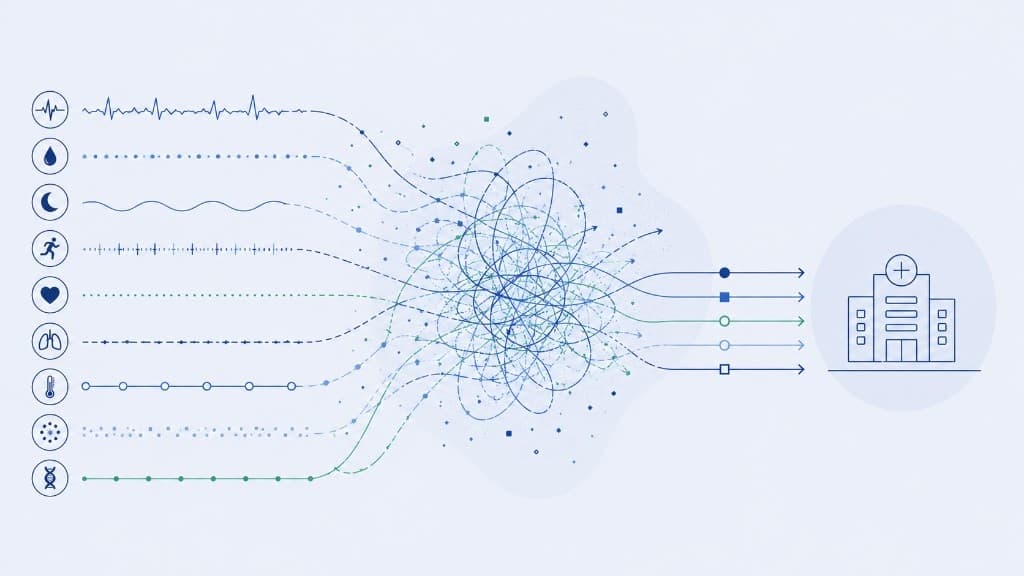
Functional and integrative medicine clinics are not asking for another “all‑in‑one” platform—they are asking for one coherent workflow that unifies labs, continuous glucose monitoring, food and exercise logging, and patient communication so every visit starts with a clear story of what happened between appointments.

Most functional medicine practices already run on a patchwork of tools. Labs arrive as PDFs or inside proprietary portals. CGM data lives in a manufacturer app. Food and exercise logs sit in separate wellness apps. Messaging happens through email, portals, or SMS threads. Each tool is useful on its own, but together they create friction and blind spots.
When clinics shop for new software, the underlying request is not "more features." It is "fewer dropped balls." Clinically, that means fewer visits where you are reconstructing the last eight weeks from memory and scattered notes, and more visits where you open one view and instantly see what changed in a patient's biology and behavior.
The Real Problem: Fragmented Stories, Not Missing Signals
Consider three common patient types in a functional medicine practice:
- A 48‑year‑old with prediabetes and weight‑loss resistance.
- A 38‑year‑old with fatigue, sleep disruption, and high stress.
- A 55‑year‑old with cardiometabolic risk and a long list of labs.
You likely have the right tools for all three: advanced labs, the option to use CGM, nutrition guidance, and exercise prescriptions. What is usually missing is a unified story of what happened between visits.
In a fragmented workflow, a follow‑up might start with:
- Clicking through a lab portal to compare values.
- Opening a CGM app (if they used one) to eyeball trends.
- Asking the patient, "So how did things go?" and getting a vague recap of meals and movement.
By the time you assemble that mental model, half the visit is gone.

Learn more about Levels Pro
Extend care beyond the exam room with Levels Pro, the metabolic health operating system that unifies CGM, labs, food logs, and lifestyle data into a single, clinician‑ready view. If you are ready to practice truly proactive, personalized, preventative medicine, partner with Levels and start building measurable cardiometabolic outcomes at scale. Click here to learn more about Levels for practitioners.
One Patient App as the Daily "Home Base"
A unified workflow starts with one app where patients live their program day to day. In Levels, the app becomes that home base:
- Patients log meals with photos or quick text, capture workouts and steps, and sync sleep data.
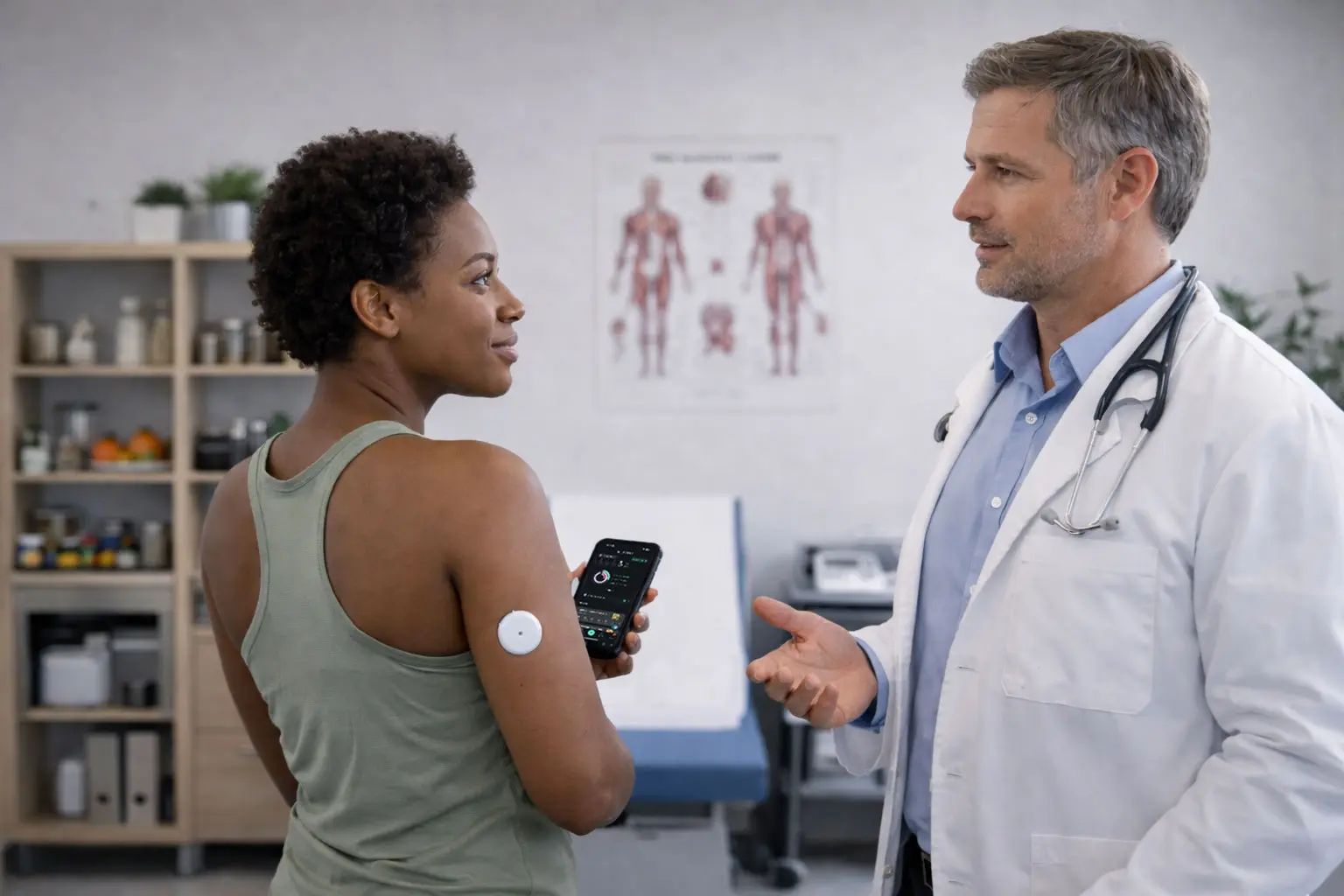
- When indicated, they connect a CGM for real‑time glucose visibility.
- They see clear scores and insights that link behavior to symptoms and to lab and glucose trends over time.
Clinically, this means a patient like the 48‑year‑old with prediabetes is not just "trying to eat better." They are:
- Logging most dinners and evening snacks.
- Seeing which choices are consistently associated with poor glucose stability or late‑night cravings.
- Running small experiments (earlier dinner, more protein, post‑meal walks) prompted by the app.
All of that context is captured automatically for you.
One Practitioner Dashboard for Labs, Behavior, and Conversation
On your side, the Levels Pro practitioner dashboard acts as the metabolic health operating system for these patients. Instead of hopping between portals, you see:
- Longitudinal lab trends across key markers like fasting glucose, HbA1c, insulin, and lipids.
- CGM metrics such as time in range and variability, when a sensor is used.
- Food logs, exercise sessions, sleep, and other lifestyle inputs from the Levels app.
- A secure messaging channel where you and your team can check in, answer questions, and assign programs.
Now imagine opening a follow‑up for that same 48‑year‑old:
- The dashboard highlights that fasting insulin and triglycerides have improved.
- AI‑generated summaries flag that late‑night snacking dropped in weeks three and four and that time in range improved on days with post‑dinner walks.
- You can scroll through a handful of representative meals and exercise patterns rather than a raw stream of entries.
The visit shifts from data hunting to clinical interpretation: connecting these patterns to symptoms, adjusting nutrition, and deciding whether to add or de‑escalate medications.
How AI‑Supported Workflows Change the Visit
The built‑in AI analysis in Levels Pro is not a black box treatment engine; it is a workflow simplifier. For a 38‑year‑old with fatigue and poor sleep, an AI‑assisted pre‑visit summary might surface:
- Irregular bedtimes and low sleep duration on workdays.
- Clusters of late, high‑carbohydrate meals on those same days.
- Recurrent mid‑afternoon glucose dips associated with long gaps between meals and high caffeine intake.
Instead of manually correlating logs, you start the visit knowing the 2--3 most important behavior patterns driving their symptoms. The conversation can then focus on:
- Confirming these patterns with the patient.
- Co‑creating specific interventions (earlier dinners, targeted snacks, sleep routines, movement breaks).
- Linking these to measurable targets in labs and, when used, CGM metrics.
For the 55‑year‑old with cardiometabolic risk, AI summaries can highlight adherence to movement goals, frequency of high‑triglyceride‑associated meals, and changes in key biomarkers since the last visit. You can quickly see whether their current plan is moving ApoB, triglycerides, insulin, and glucose in the right direction.
Turning Data Into a Repeatable Clinical Pathway
Once this unified view is in place, it becomes straightforward to define and reuse clinical pathways:
1. Baseline and program selection
- Capture initial labs, relevant symptoms, and lifestyle patterns.
- Enroll the patient into a specific metabolic health program (for example, a 12‑week cardiometabolic risk reduction track) inside Levels.
2. Guided implementation between visits
- Patients follow in‑app guidance, log food and exercise, and optionally wear CGMs.
- The app provides real‑time and longitudinal feedback to keep them engaged.
3. Structured clinical review
- Before follow‑ups, your team reviews AI‑generated summaries and key trends in Levels Pro.
- The clinician uses that single dashboard during the visit to adjust nutrition plans, exercise prescriptions, supplementation, and medication.
4. Ongoing refinement and outcomes tracking
- Over time, you track changes in labs, CGM metrics, symptoms, and adherence---all inside the same workflow.
From "More Tools" to a Single Clinical Story
When labs, CGM data, food and exercise logs, and patient communication all flow through one app for patients and one practitioner dashboard for your team, you are no longer stitching together partial stories. Every visit starts with a coherent narrative of what happened between appointments and what changed biologically as a result.
Functional and integrative clinics do not need more disconnected tools. They need a single, clinically useful workflow that turns rich metabolic data and daily behaviors into clear, repeatable decisions. A unified Levels workflow---spanning labs, lifestyle, CGM, messaging, and AI‑supported analysis---gives you that clarity while protecting time for what matters most in the room: making better treatment decisions with your patients.