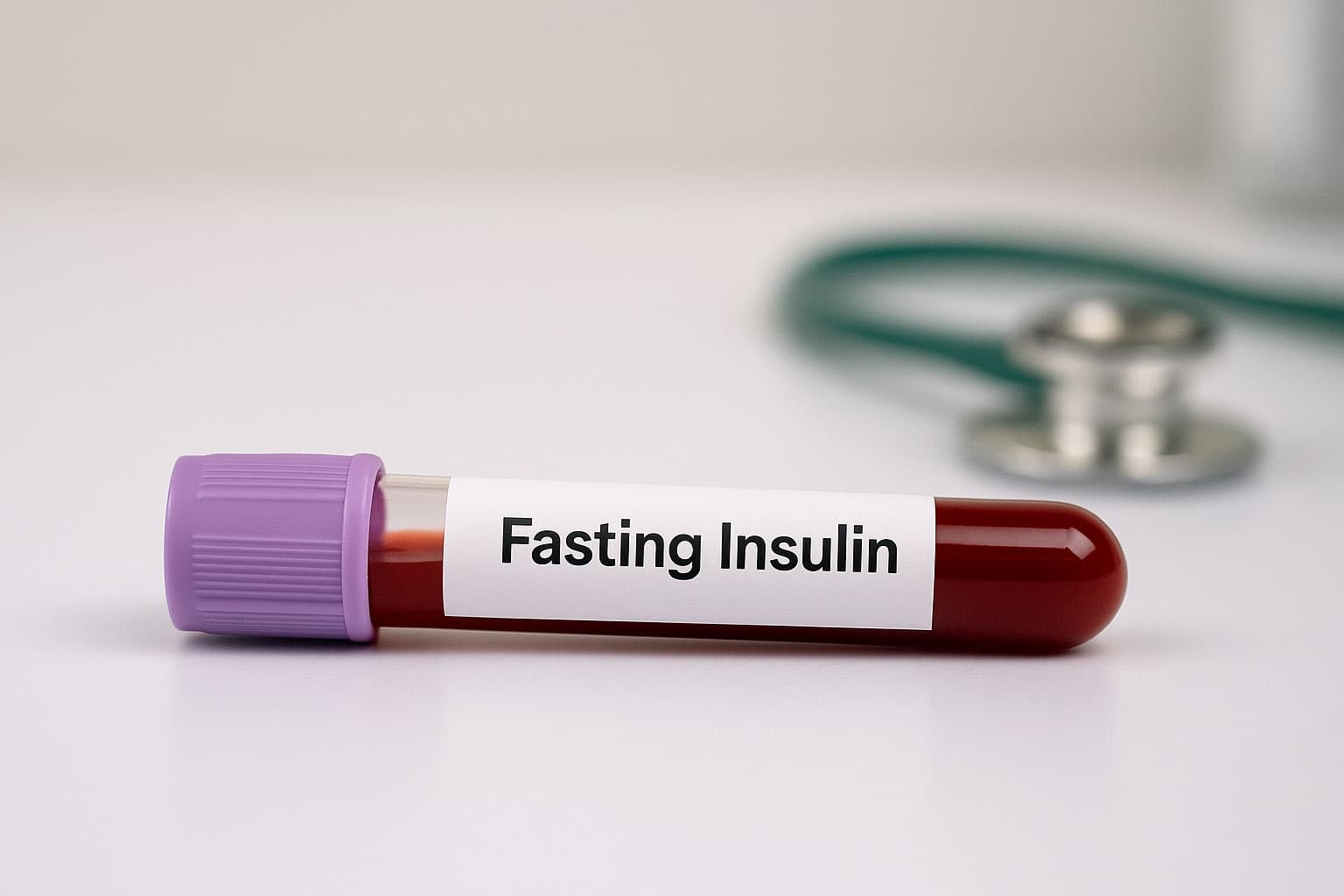
The quick guide to insulin, and how to keep it healthy
Fasting insulin is one of the most powerful early indicators of metabolic dysfunction, and it’s rarely measured. Here’s what it means, and how to optimize it.

A core tenet of metabolic health---how our bodies make and use energy---is that we require insulin to process blood glucose. It's the hormone produced by your pancreas that helps shuttle glucose from your bloodstream into your cells, where it can be burned for energy or stored for later use.
But insulin does far more than regulate blood sugar. It also influences fat storage, brain function, and even reproductive health. In fact, insulin affects every single cell in your body, which is why insulin imbalance---especially chronically high insulin levels (hyperinsulinemia)---can lead to widespread dysfunction.
See how Levels can help improve your biomarkers.
- See where your numbers sit relative to optimal
- Pair the Levels app with a retest panel tailored to your markers
- Reassess to see your progress
Get a free interpretation grounded in Levels biomarker expertise and informed by our dataset of over 1.5 billion health data points.
Upload your labs freeFree lab interpretation
Already have labs?
Get a free interpretation grounded in Levels biomarker expertise and informed by our dataset of over 1.5 billion health data points.
Upload your labs freeHave lab results you’re curious about?
In under 60 seconds, we’ll explain what your result may mean—and what to do next.
Step 1: Choose the Marker You Want to Understand
Which result do you want help interpreting?
What Are Normal Insulin Levels?
There isn't a scientific consensus on optimal insulin levels, but many metabolic health experts recommend that fasting insulin levels stay under 10 μU/mL, with optimal ranges often cited between 2-6 μU/mL.
Standard lab reference ranges can go as high as 25 μU/mL, but these may not reflect optimal health. Here's the key insight: chronically elevated insulin often precedes glucose abnormalities by years or even decades, so keeping it low is a proactive health measure.
Why High Insulin Is a Problem
When insulin stays elevated too often---usually from frequent high-carb or high-sugar meals---cells can become less sensitive to its signal. This is called insulin resistance, and it's a major driver of several chronic conditions:
- Type 2 diabetes
- Heart disease
- Obesity
- Cognitive decline
- Polycystic ovary syndrome (PCOS) (now called PMOS)
- Fatty liver disease
- Cancer
Unfortunately, insulin resistance may affect up to 88% of U.S. adults, even if their glucose levels are still normal. This makes insulin testing particularly valuable for early detection.
Why Isn't Insulin Measured More?
Despite its importance, insulin isn't routinely tested in most standard blood panels. Several factors contribute to this:
- Focus on downstream markers like glucose or A1C rather than looking upstream at insulin itself
- A historical perspective that viewed insulin as a symptom rather than a root cause
- Testing variability between different lab methods and a lack of standardized reference ranges
- Limited awareness among healthcare providers about insulin's role in metabolic dysfunction
But as research evolves, fasting insulin is increasingly recognized as one of the most critical early markers for metabolic dysfunction.
How to Improve Insulin Levels
Improving insulin sensitivity and lowering insulin levels involves several evidence-based strategies:
- Reduce refined carbohydrates and added sugars from your diet
- Prioritize whole foods with protein, fiber, and healthy fats
- Engage in regular physical activity, especially resistance training
- Prioritize sleep and manage stress
- Maintain healthy body composition, particularly reducing visceral fat
Some people may also benefit from intermittent fasting or low-carb approaches, but these should be personalized based on individual needs.
Common Questions
How quickly can I lower insulin levels?
Insulin levels can improve relatively quickly with dietary changes—often within 2-4 weeks of reducing refined carbs and sugar. However, reversing insulin resistance typically takes several months of consistent lifestyle changes.
Can I have insulin resistance with normal blood sugar?
Yes. Insulin resistance often develops years before blood sugar becomes abnormal, as your pancreas works harder to maintain normal glucose levels.
How often should I test my insulin levels?
Most people benefit from annual testing, but those with metabolic risk factors may want to test every 6 months to track progress.
Will intermittent fasting help lower my insulin?
Intermittent fasting can help improve insulin sensitivity by giving your body regular breaks from insulin production, but it doesn't work for everyone.
The Bottom Line
Insulin isn't just a blood sugar hormone---it's a master regulator of metabolic health that affects every cell in your body. Testing fasting insulin can offer early insight into your risk for chronic disease, often years before glucose markers become abnormal.
Keeping insulin in an optimal range through diet and lifestyle changes is one of the most powerful ways to stay ahead of metabolic dysfunction and support long-term health.
More Articles on Insulin

What are normal levels of insulin and why don’t we test it more?
A deeper dive into what insulin does in your body and why it’s important to test it

How to reduce insulin
A step-by-step guide to reducing insulin levels through diet and lifestyle changes

Test and improve your fasting insulin levels
Levels members can test their fasting insulin levels through Levels Labs, and then use the Levels app to help improve levels by logging meals and setting exercise goals. Click here to learn more about Levels.