Is oatmeal healthy for you?
The classic breakfast may not be as healthy as you think. Try this swap for a warm bowl that stabilizes blood sugar and tastes great.


Most people think of oatmeal as one of the healthiest foods to start your day. After all, this whole-grain breakfast staple is a good source of dietary fiber, and some of the purported benefits of oatmeal include a reduced risk of heart disease, weight loss, and reduced LDL cholesterol levels, likely due to oats' high levels of a soluble fiber called beta-glucan.
But your blood glucose might not agree that oatmeal should be considered a "superfood." Levels data consistently shows it's one of the worst foods for blood sugar. According to CGM data from Levels food logs, it spikes blood sugar levels an average of 34 mg/dL.
Why does oatmeal spike blood sugar?
Let's start with the oats and oat products themselves. Rolled and instant oats are processed foods, and both carry a more significant glycemic load. To speed up cook time, they have the outer husk (the oat bran) removed and are flattened, pre-cooked, and toasted dry. Instant oats are also milled to a smaller size, so they take even less time to prepare. But this convenience means your body breaks down both types of oats quickly, which means the carbohydrates in the oats are more rapidly converted to glucose and absorbed. That can lead to a blood sugar spike.
A crash often follows a sudden rise in glucose as your body releases extra insulin to try to get back to homeostasis. That blood sugar dip is why you may feel hungry and sluggish soon after a high-carb breakfast. This kind of eating could lead to overall health problems down the road. Regular large spikes and plummets of glucose (called high glycemic variability) are linked to an increased risk of insulin resistance, Type 2 diabetes, obesity, Alzheimer's disease, and cancer. And when you consider the links between metabolic function and cardiovascular disease, oatmeal's status as a heart-healthy food and wellness staple seems less certain.
Get more nutrition advice like this delivered to your inbox
Sign up to make sure you see our latest nutrition advice, articles, and discounts
Then consider what you eat with the bowl of oatmeal. Instant oatmeal often comes with added sugar and processed "natural flavor" derived from fruits, vegetables, spices, and herbs. Or you may add your own sweetener to rolled oats in the form of brown sugar, maple syrup, or high-glycemic fruit such as bananas or raisins. Either way, your bowl is likely heavy on sugar and light on protein and fiber, two essential nutrients that can help blunt the glucose-spiking effect of carbohydrates, leading to a lower blood sugar rise after a meal.

What a CGM can (and can't) tell you about your diet
Learn more about continuous glucose monitoring and how it can help inform your dietary choices.
Can Oatmeal Be Healthy?
If you love eating oatmeal, there are ways to enjoy it while maintaining stable blood sugar levels. Consider upgrading from rolled and instant oats to steel-cut oats or oat groats. Groats are whole oat kernels---only the inedible outer hull has been removed. They also take the longest to cook of any type of oats. Both groats and steel-cut oats are minimally processed and have an intact fiber-rich bran layer, which means your body digests them more slowly, and therefore your blood glucose will likely rise more slowly, too.
But remember, glycemic response is highly individual, so while this simple swap may make a difference for some, steel-cut oats, despite their relatively higher fiber content and lower glycemic index compared to rolled or instant oats, can still spike blood glucose levels for many.
How to blunt oatmeal's impact on blood glucose
Another way to calm glucose response: top oats with foods rich in protein, fat, and fiber, such as the ones below:
- Nut butters or peanut butter (we love almond butter)
- Nuts
- Seeds, such as chia, flax, hemp, or pumpkin (pumpkin seeds are especially good for a healthy dose of magnesium)
- Unsweetened protein powder
- Natural sweeteners, such as monk fruit or allulose
- Unsweetened coconut flakes
- Spices, such as cinnamon and nutmeg
- Low-glycemic fruit, such as apple, pear, blueberries, and blackberries
- Coconut oil
- Greek yogurt
- Grass-fed butter
When you combine reasonable portion sizes of carbohydrates with protein, fat, and fiber, your morning bowl of oats will have less of a glycemic impact. This is because these nutrients help slow the digestion of carbohydrates and curb the release of glucose in the bloodstream. As a bonus, these ingredients also provide various vitamins, minerals, and antioxidants to support metabolic health.
The ultimate oatmeal alternative
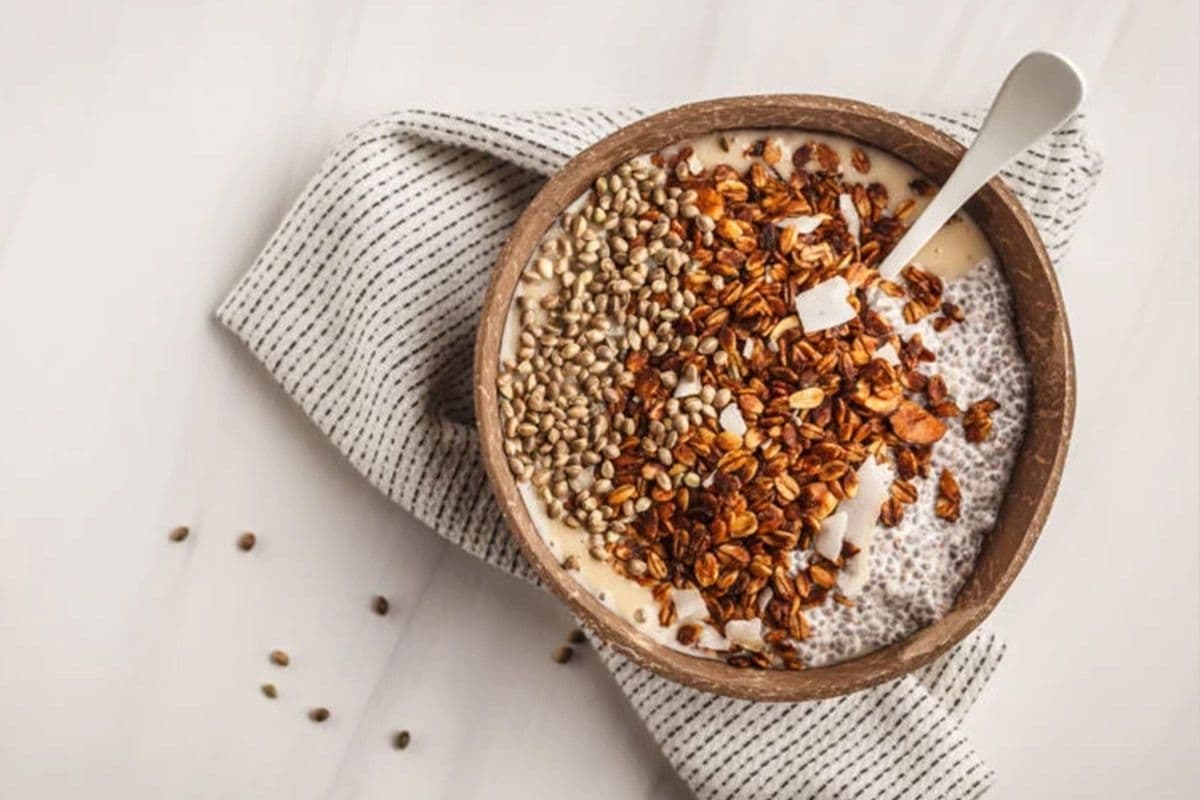
A better way to keep blood sugar stable is to avoid grains altogether. Seeds such as chia, flax, and hemp can come together to create an alternative to oats perfect for any meal plan.
Recipe: Warm chia, flax, and hemp pudding
This warm triple-seed pudding from nutritionist Kelly LeVeque is an excellent oatmeal or overnight oats substitute brimming with health benefits. When you warm this mixture of chia seeds, ground flaxseeds, and hemp seeds on the stovetop, it transforms into a substantial breakfast cereal that's low in carbs and high in protein, healthy fats, and fiber to help stabilize blood sugar levels.
- 2 cups unsweetened vanilla almond milk
- 2 tbsp chia seeds
- 2 tbsp flax meal
- 2-4 tbsp hemp hearts
- unsweetened protein powder (optional)
- optional toppings: nut butter, berries, or cinnamon
Heat almond milk in a pan over medium heat. Add chia, flax, and hemp, and stir with a silicone spatula as the mixture simmers. Once it's creamy, stir in protein powder (if using). Serve warm in a bowl with toppings as desired.
How this recipe supports metabolic health
This high-fiber recipe packs essential nutrients and metabolic benefits, including:
- Omega-3 fatty acids fight inflammation, an underlying risk factor for most chronic diseases, including metabolic syndrome, diabetes, heart disease, arthritis, and COPD. They do this by decreasing the production of inflammatory lipids called prostaglandins and decreasing the production of pro-inflammatory compounds. Chia, flax, and hemp are all excellent sources of these fatty acids, and can help support heart health.
- Alpha-linolenic acid (ALA), one type of omega-3 fatty acid that our bodies can't produce alone; we can only get it through our diets. According to the National Institutes of Health, men should aim to get at least 1.6 grams of ALA daily, and women should get 1.1 grams. Two tablespoons of chia seeds provide 5 grams of ALA. Like other omega-3s, ALA's are anti-inflammatory, and animal studies indicate they may help protect against strokes through multiple mechanisms in the brain, such as an increase in brain-derived neurotrophic factor (BDNF), a protein critical for the development of new neurons.
- Chia seeds may improve glucose tolerance and insulin sensitivity, according to rodent studies. The seeds appear to increase the production of adenosine monophosphate-activated protein kinase (AMPK), an enzyme that helps regulate metabolism.
- Flaxseeds are known for their lignans. Eating these polyphenols improves glycemic control b yenhancing insulin sensitivity. It also appears to reduce the risk ofcoronary heart disease: the gut turns lignans into phytoestrogens (called enterodiol and enterolactone), which are associated with heart benefits. Thanks to these positive health effects, flaxseed may help reduce metabolic syndrome.
- Chia and flaxseed promote satiety by slowing digestion. This effect is particularly pronounced for chia seeds, which are especially high in fiber (including a type of soluble fiber called mucilage), with 5.7g per 2 tablespoons (flaxseed contains 6g fiber per 2 tablespoons).
- Hemp seeds contain 10g protein per 3 tablespoons serving. Their nutritional value largely comes from multiple bioactive compounds, including antioxidants and peptides that help fight inflammation and may offer neurological and cardiovascular health protection.

Take control of your health with expert guidance
Levels pairs real-time glucose data and comprehensive lab testing with clinician analysis and personalized support—everything you need to turn insights into real health improvements. Click here to get started with Levels.