How to reduce uric acid naturally
Too much of this compound can promote kidney stones and gout, and is associated with insulin resistance and fatty liver. Here’s how to keep your levels in the ideal range


Once dismissed as a simple waste product, uric acid is gaining attention as a potent regulator of metabolic health. At high levels (above 5 to 5.5 mg/dL—opinions vary), uric acid not only leads to the development of kidney stones and gout (an inflammatory arthritis that affects the joints) but may also promote insulin resistance, hypertension, diabetes, fatty liver, and more.
What’s going on? A few problematic mechanisms are at play when uric acid is high, including the promotion of oxidative stress, disruptions in blood flow and the transport of insulin to target tissues, and inflammatory responses in the body.
See how Levels can help improve your uric acid.
- See where your uric acid sits relative to optimal
- Pair the Levels app with a Comprehensive retest panel that includes uric acid
- Reassess to see your progress
Get a free interpretation grounded in Levels biomarker expertise and informed by our dataset of over 1.5 billion health data points.
Upload your labs freeFree lab interpretation
Already have labs?
Get a free interpretation grounded in Levels biomarker expertise and informed by our dataset of over 1.5 billion health data points.
Upload your labs freeWhether your uric acid levels are already elevated or you want to keep them healthy, diet and lifestyle habits can help. Read on to learn more about how uric acid functions in the body, optimal blood levels of this biomarker, and proven strategies to help reduce uric acid.
What is uric acid?
Uric acid is a natural chemical compound created when the body breaks down purines, molecules found in the DNA and RNA of all cells.
Most uric acid is generated from the degradation of internal sources of purines, including various bodily tissues, which are constantly being broken down and rebuilt. Fat tissue, in particular, has been shown to produce more uric acid than other tissues, possibly due to its abundant expression of the purine-degrading enzyme xanthine oxidoreductase. Health conditions and treatments that lead to high cellular turnover, such as psoriasis and chemotherapy, may also increase uric acid levels. A significant amount of uric acid is also generated from the metabolism of purine- and fructose-containing foods.
Under normal circumstances, the uric acid generated via these processes dissolves in the blood and is excreted by the kidneys through urine to keep levels in a healthy range. (A small portion of uric acid is excreted through the intestine, facilitated by uric acid transporters and gut bacteria.) But when levels rise—due to a poor diet, excess weight, health conditions, or a combination of factors—the metabolic issues above may result.
What is a safe level of uric acid?
Uric acid levels can be measured with a simple blood test requiring you to fast for four hours in advance. Traditionally, a uric acid test has been ordered when gout or kidney stones are suspected, or when someone is undergoing certain cancer treatments. But now, with a better understanding of uric acid’s role in metabolic health, some experts recommend routine testing.
Doctors and labs have traditionally considered 1.5 to 6 mg/dL normal for women and 2.5 to 7 mg/dL normal for men. But newer research suggests the levels associated with the lowest risk for cardiometabolic diseases are 2 to 4 mg/dL for women and less than 5 mg/dL for men.
Interestingly, while normal uric acid levels help protect the body against oxidative stress, high levels lead to excessive production of reactive oxygen species that promote oxidative stress. Additionally, elevated uric acid inactivates nitric oxide, in turn disrupting the flow of blood and insulin, which can promote high blood pressure and is linked to insulin resistance. Too much uric acid also causes the liver to produce inflammatory cytokines, possibly promoting systemic inflammation.
Diet choices and supplements can help reduce uric acid
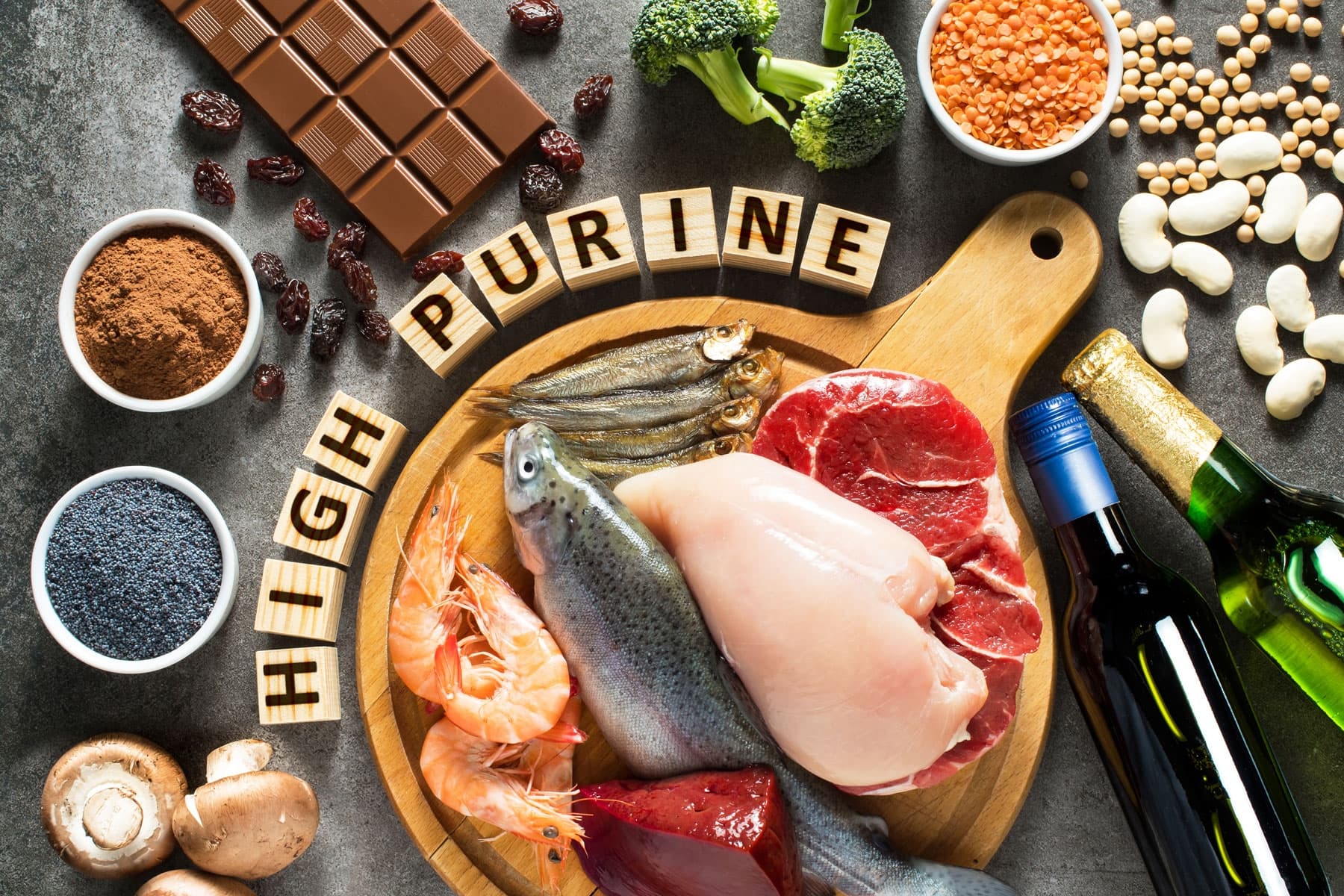
Your dietary choices have a direct impact on uric acid levels. That’s because uric acid can be generated from the metabolism of foods high in purines, including red meat, organ meats, some shellfish, and alcohol, and foods high in fructose, such as juice, soda, candy, and sweeteners.
Purines are nitrogen-containing bases found in DNA and RNA. When you consume purines, enzymes in the gut and liver, like xanthine oxidase, degrade them into uric acid. Fructose consumption has been shown to increase the rate of purine degradation and promote the synthesis of new purines, both of which can increase uric acid levels.
But strategies for lowering uric acid shouldn’t simply focus on what to avoid. Some foods and nutrients have been shown to reduce uric acid levels or counter some of its adverse effects, like inflammation.
If your blood work shows high uric acid levels, it’s smart to consider some dietary changes and maybe a few supplements to reduce your metabolic health risk.
One note: Some medications, like thiazide, loop diuretics, or aspirin, can also increase uric acid levels, so if you take these regularly, discuss with your doctor.
1. Consider a low-purine diet
A low-purine diet is often the first strategy that mainstream healthcare providers recommend for lowering uric acid levels. And it makes sense: If you lower your intake of purine-rich foods, your body has fewer purines available to be converted into uric acid, and your levels may drop. Fructose-containing foods are also limited on a low-purine diet due to their impact on uric acid.
The following foods (high in purines or fructose) should be reduced or avoided on a low-purine diet. Prioritize the reduction of sugary foods and alcohol, as these provide no nutritional benefit:
- Organ meats: These include liver, kidney, and sweetbreads.
- Red meat: In general, red meat, like beef, pork, and lamb, is higher in purines than poultry.
- Certain seafood: Shellfish, anchovies, trout, mackerel, herring, tuna, and sardines are all higher in purines than other types of seafood.
- Alcohol: Beer is highest in purines, but any alcohol can contribute to elevated levels, as it reduces the excretion of uric acid from the body.
- Sugary drinks and sweets: High-fructose corn syrup is found in soda, syrup, candy, some juice drinks, and more. Even common table sugar (sucrose) is 50 percent fructose. Natural sweeteners like honey and agave are also potent sources.
- Other: Gravies, meat sauces, yeast, and yeast extract are high in purines.
Just keep in mind: As with any diet that focuses primarily on what you shouldn’t eat, a low-purine diet can be difficult to sustain and potentially lead to unintended effects. A 2022 study found that people struggle to follow the diet long-term and may replace high-purine foods with metabolically unhealthy foods. Similarly, a 2023 study noted that low-purine diets often result in reduced intake of protein-containing foods and increased intake of carbohydrates.
If you want to try a low-purine approach, don’t skimp on protein—just be mindful of where your protein comes from. Research has shown that high intake of meat and seafood is linked to higher serum uric acid in some people. But total protein intake is not associated with elevated uric acid, especially when it comes from foods like plants, eggs, and dairy products. (In fact, dairy products are associated with reduced uric acid—more on why below.) The takeaway: Vary your protein sources and include low-to-moderate-purine options like tofu, edamame, chicken, eggs, unsweetened yogurt, and certain lower-purine fish (cod, haddock, perch, pike, sole).
Additionally, while some vegetables and legumes (like asparagus, cauliflower, beans, lentils, and spinach) are high in purines, it’s not advised to limit these foods on a low-purine diet. A 2020 study found no association between the intake of vegetables and the risk of elevated uric acid. Because whole plant foods contain a range of health-promoting nutrients like fiber and antioxidants, their benefits likely outweigh any potential risk related to uric acid.
2. Try the Mediterranean or DASH diet
The Mediterranean diet and the DASH (Dietary Approaches to Stop Hypertension) diet have been proposed as better alternatives to the low-purine diet for reducing uric acid levels. Both are nutrient-dense, focus on overall healthy eating patterns rather than a single compound or nutrient, and tend to naturally emphasize low- and moderate-purine foods. Let’s look at each.
The Mediterranean diet promotes the consumption of vegetables, fruit, whole grains, seeds, nuts, healthy fats, fish, lean proteins, and extra-virgin olive oil (EVOO), with moderate amounts of dairy, eggs, and red meat. Multiple studies have found that higher adherence to a Mediterranean-style diet effectively reduces serum uric acid levels.
A likely reason is the diet’s emphasis on fiber- and antioxidant-rich foods. It has been hypothesized that fiber binds to uric acid in the gut and helps remove it before it can enter the bloodstream. Multiple studies have shown that high fiber intake is associated with reduced uric acid levels and gout flares in animal and human studies. Additionally, antioxidants—found predominantly in whole plant foods and EVOO—help counter the pro-oxidant, pro-inflammatory effects of excess uric acid on the body.
Known for reducing high blood pressure, the DASH diet is similar to the Mediterranean diet: It emphasizes vegetables, fruit, whole grains, beans, nuts, fish, poultry, and low-fat or fat-free dairy. It also encourages reducing or eliminating foods with added sugars, tropical oils, and excess salt, as well as fatty meats and full-fat dairy. Lastly, it suggests limiting sodium to 2,300 mg per day, or 1,500 mg per day on the lower-sodium version of the diet.
Several studies show the DASH diet lowers uric acid levels. In one study, it lowered uric acid by 0.8 mg/dL within 30 days and 1 mg/dL within 90 days, suggesting an efficient and sustained effect. In addition to fiber and antioxidants, this diet’s focus on sodium reduction may help lower uric acid. When sodium levels in the blood are high, it activates a metabolic pathway (the polyol pathway) that converts some of your circulating blood glucose into fructose, which, in turn, elevates uric acid levels.
There is also emerging data connecting the gut microbiome to uric acid metabolism, so it’s possible that probiotic and fermented foods (i.e., yogurt, sauerkraut) could help lower uric acid levels.
3. Stay hydrated
Adequate hydration helps flush out excess uric acid from the body via the urine and prevents associated problems like kidney stones. On the other hand, when you’re dehydrated (or when your body thinks you’re dehydrated due to high intake of salty foods, concentrating sodium in the blood), the pituitary gland releases a hormone called vasopressin. This reduces urinary output to conserve water and prevent your blood from becoming too saturated with sodium—as a result, more uric acid stays in the bloodstream. Also, dehydration activates the polyol pathway (mentioned above), in which some of your blood glucose is converted into fructose. Once metabolized, this leads to the production of even more uric acid.
Depending on your weight and activity level, you may want to aim for anywhere between eight and 16 cups of fluids per day, with at least half of them being water, per the Arthritis Foundation. Pale to light yellow urine typically indicates that you’re well hydrated. You usually don’t need electrolyte beverages or supplements to support hydration unless you’re highly active or sweating a lot.
4. Get your fill of vitamin C-rich foods
Vitamin C is an essential antioxidant associated with lower uric acid levels and reduced risk of gout. While research is mixed about the benefits of supplements, you can likely get enough vitamin C from food sources to have a positive effect.
In a 2021 meta-analysis of 16 randomized controlled trials (RCTs), taking 200 to 2,000 mg of supplemental vitamin C led to significant uric acid reductions in less than a month. And there was no difference in the effects of lower and higher doses, suggesting that low doses may be sufficient. In another meta-analysis looking at National Health and Nutrition Examination Survey (NHANES) data from 2011 to 2016, vitamin C from food but not supplements was associated with lower uric acid levels, and results were more significant in men.
While the exact mechanism of vitamin C on uric acid is unclear, this nutrient may influence the way kidneys clear uric acid from the body. Additionally, vitamin C may help counteract uric acid-induced inflammation by inhibiting activation of the NLRP3 inflammasome pathway.
Bell peppers, citrus (oranges, lemon, grapefruit), tomatoes, strawberries, kiwis, and cruciferous vegetables like broccoli and cabbage are all great sources of vitamin C. Be sure to include at least some raw or lightly cooked versions of these foods in your diet, as cooking degrades some of the vitamin.
5. Enjoy dairy, if you tolerate it
A significant body of research spanning the past several decades suggests that dairy products are associated with lower uric acid levels.
In a 2020 observational study of elderly adults with metabolic syndrome, higher intake of total dairy products, total milk, low-fat dairy products, low-fat milk, low-fat yogurt, and cheese were associated with a lower risk of hyperuricemia (elevated uric acid levels). However, with the exception of cheese, whole-fat dairy products weren’t associated with decreased or increased uric acid levels.
Similarly, in a previous study examining NHANES data from 1988 to 1994, adults older than 20 who consumed yogurt at least once every other day or drank milk at least once a day had lower uric acid levels than those who did not. And a 2024 observational study found that cheese intake was associated with decreased uric acid in children and adolescents. Additionally, one study showed that people on a dairy-free diet had increased uric acid levels.
A few mechanisms have been proposed: Several compounds in dairy products—including orotic acid and the proteins casein and lactalbumin—have been shown to have a “uricosuric” effect, meaning they increase the excretion of uric acid in the urine. Additionally, some research suggests calcium may help lower uric acid, though it’s unclear how. In a 2022 study, participants with low baseline calcium intake who consumed 770 mg of calcium per day from either dairy or a calcium citrate supplement experienced similar reductions in uric acid levels after 45 days.
Still, there’s one caveat. Some research suggests that certain dairy products, particularly milk, may be more likely to trigger excess insulin secretion. If you make dairy part of your regular rotation, consider unsweetened fermented dairy products (yogurt and kefir) or cheeses, as these don’t appear to have the same insulin-elevating effect.
6. Keep drinking your morning coffee
The body of research doesn’t conclusively say coffee will reduce uric acid levels, but there are studies demonstrating its beneficial or neutral effects and little to no published research suggesting it’s harmful. Some researchers speculate that chlorogenic acid—a polyphenol antioxidant found in both decaf and regular coffee—may help lower uric acid levels and counter some of its harmful pro-oxidant effects. This polyphenol has been shown to inhibit the activity of xanthine oxidase, an enzyme that breaks down purines into uric acid, and it may help reduce insulin resistance.
In a 2024 study analyzing data from a U.K. health and disease database, researchers identified a causal link between coffee consumption and reduced risk of gout, which was determined to be driven by coffee’s ability to reduce uric acid levels. Similarly, in a 2016 meta-analysis of studies measuring coffee intake and uric acid levels, coffee had a significant uric acid-lowering effect, but women needed more coffee (four to six cups per day) than men (one to three cups per day). Some other studies have shown that coffee is associated with a reduced risk of gout independently of any changes in uric acid levels, suggesting that compounds in coffee may help in other ways, such as by reducing the inflammation associated with uric acid.
The potential for coffee to lower uric acid does not appear to be related to its caffeine content, as several studies have demonstrated uric acid-lowering benefits of both decaffeinated and caffeinated coffee but not caffeinated tea. Interestingly, one 2021 study on healthy men found that decaffeinated coffee had a significant uric acid-lowering effect, while caffeinated coffee had no significant effect on participants overall but was associated with an increase in uric acid among the men whose levels were not already elevated at the start of the intervention.
So, if you currently drink regular or decaf coffee, there’s no compelling reason to kick the habit—the main thing to avoid is loading it with sugar.
7. Work toward a healthier weight
Overweight and obesity—particularly when someone carries excess body fat around their waist—have consistently been associated with elevated uric acid levels. Fortunately, losing this excess body fat has been shown to reduce uric acid levels.
A 2021 observational study found that for every 2.2-pound reduction in body fat, a person had a 9 percent greater chance of achieving target uric acid levels (defined as less than 6 mg/dL in this particular study). A key reason: Fat tissue can produce uric acid, and the more fat tissue you have, the more uric acid is produced and released into the bloodstream. Additionally, having excess body fat around the waist—especially visceral fat, which is tightly packed around the organs—is associated with insulin resistance and elevated insulin, both of which may increase uric acid levels by reducing its excretion by the kidneys.
While there is no magic bullet to lose weight or body fat, you can make strides toward this goal if you consistently incorporate healthy diet and lifestyle strategies like minimizing your intake of highly processed foods (like refined carbs and sugary products), maximizing your intake of nutrient-dense foods, moving your body regularly, managing stress, and getting adequate sleep.
8. Consider supplements
Preliminary research suggests that antioxidant-rich compounds may lower uric acid or counter its harmful effects. The following are generally considered safe and may be worth including in your rotation if you’ve modified your habits, but uric acid is still high. As always, work with a doctor to determine if supplementation is appropriate and seek out a reputable third-party-tested brand.
Quercetin
Quercetin is a flavonoid antioxidant naturally found in apples, red onions, grapes, citrus, berries, sage, parsley, and tea. Several animal and cell studies on quercetin have demonstrated a uric acid-lowering effect. While human clinical trials are limited, a small RCT from 2016 found that men with elevated uric acid levels who followed a four-week supplement regimen of 500 mg of quercetin per day—the amount in 100 grams (3.5 ounces) of red onion—experienced a 0.45 mg/dL drop in their uric acid levels on average. Lower doses don’t appear to be effective. Quercetin may work in several ways: inhibiting xanthine oxidase activity, increasing uric acid excretion, and reducing activation of pro-inflammatory pathways.
Tart cherry
Tart cherries are a potent source of anti-inflammatory anthocyanin antioxidants. In a 2019 study, people with overweight and obesity who drank eight ounces of tart cherry juice per day for four weeks experienced a 19 percent reduction in uric acid levels and in the inflammatory marker C-reactive protein (CRP). Even better, tart cherry supplements may have a similar effect—without the sugar. In a 2021 study, researchers found that taking 500 mg of freeze-dried tart cherries in capsule form lowered uric acid up to 24 hours—which was longer than the effect of taking a larger supplemental dose or drinking eight ounces of tart cherry juice.
The bottom line
Most things that lower uric acid are habits that promote overall metabolic health. To recap, here are some strategies to consider if you’re test results come back high:
- Eat a minimally processed diet that embraces a variety of plants and whole foods.
- Consider a low-purine diet, starting with the reduction of alcohol and added sugars, and potentially reducing red meat.
- Stay hydrated by drinking plenty of water and unsweetened beverages.
- Load up on vitamin C from bell peppers, citrus, tomatoes, and cruciferous vegetables.
- Include dairy products like yogurt, kefir, and cheese in your diet if you enjoy them.
- Keep drinking your morning mug of regular or decaffeinated coffee.
- Take steps to lose excess weight through physical activity, diet, and stress management.
- Consider an antioxidant-rich supplement like quercetin or tart cherry.

Test and improve your uric acid levels
Levels members can test their uric acid levels through Levels Labs, and then use the Levels app to help imnprove levels by logging meals and setting exercise goals. Click here to learn more about Levels.