9 High-protein, low-sugar breakfasts
Nine satisfying recipes that keep your energy steady and your appetite in check with at least 20 grams of protein.

Many classic breakfast foods—cereal, bagels, pancakes, and even “healthy” options like oatmeal and flavored yogurts—set you up to start your day with a blood sugar spike and crash. This can zap energy and make you feel hungry not long after you’ve eaten.
Protein-packed meals digest more slowly, curbing appetite throughout the day and supporting metabolic health. This is especially important in the morning, when blood sugar is naturally elevated.
The current RDA for protein is 0.8 grams per kilogram of body weight per day (g/kg/day), or about 54 grams per day for a 150-pound adult. But metabolic health experts suggest aiming for 20 to 30 grams of protein at each meal to maximize your muscle mass. Hitting that protein target takes some strategy, though: a large egg delivers just 6 grams, and a slice of turkey bacon contains 2 to 4 grams. Use our guide to start every day off with a delicious, high-protein breakfast that goes beyond eggs and bacon.
How to build a protein-packed breakfast
1. Crack an egg
Eggs are a “complete” protein, meaning they contain all nine amino acids needed to build muscle. Compared with higher carb breakfasts like cereal, eggs can also help you feel more satisfied. In one study, people who had eggs and toast for breakfast felt more satiated—and consumed 14 percent fewer calories all day—than those who had cereal with milk. Consider spending a little more on omega-3-enriched eggs. They contain 100 to 600 milligrams (mg) of heart-healthy, anti-inflammatory omega-3 fats (that’s a fraction of what’s in 3 ounces of salmon, but still better than none).
Get more recipes like this delivered to your inbox
Sign up to make sure you see our latest recipes, articles, and discounts
2. Consider a protein powder
With the right protein powder, you can blend a hefty dose of protein into smoothies or yogurt. One scoop delivers as much as 20 to 30 grams of protein. Look for those made without added sugars or sugar alcohols. Ideally, the ingredients list is just the protein source, such as whey, hemp, casein, or soy.
3. Pick a lean meat
Some breakfast meats, such as bacon and sausage, contain preservatives and excess sodium along with high saturated fat. If you eat meat, choose a lower-sodium lean version, such as chicken, turkey, or bison, which are lower in saturated fat. They also have 15 to 17 grams of protein per three-ounce serving.
4. Get fishy
Smoked salmon (lox) is rich in omega-3s. These fats are important for metabolic health. Research suggests that they help regulate insulin sensitivity and combat inflammation, which is linked with heart disease, diabetes, and other metabolic diseases. Plus, a three-ounce serving contains about 16 grams of protein.
5. Swap in seeds
Even whole grains like plain oatmeal can spike blood sugar in some people. But “whole grains” that are actually tiny seeds—such as quinoa, spelt, and wild rice—add extra protein to balance blood sugar. Quinoa contains 8 grams per cooked cup; spelt has 10.5 grams; and wild rice has 7 grams. You can cook these into a sweet or savory porridge. Or consider chia seeds, which contain 2 grams in just a tablespoon. Chia’s also rich in fiber and, when combined with a liquid, creates a satisfying pudding-like texture.
9 high-protein breakfast ideas
These tasty recipes satisfy your morning cravings and deliver at least 20 grams of protein.
If you’re hungry for eggs….
…try this kimchi wild rice breakfast bowl, a combination of eggs on a bed of wild rice, vegetables, turkey bacon, and probiotic-rich kimchi, for 21 grams of protein.
…cook a salmon, egg, and spinach omelet. The addition of feta lends a creamy texture and brings the protein tally to 33 grams.
If you’re vegan…
…stir up some protein chia pudding. It doesn’t get much easier than this five-ingredient recipe: Toss chia seed, protein powder, almond milk, and vanilla in a jar, shake, and let it sit at least four hours to turn into a creamy pudding. When you’re ready to eat, top with berries. You’ll get fiber, omega-3 fats, and 25–35 grams of protein per serving.
…make this filling smoky tofu breakfast sandwich. Pile low-carb bread with baked tofu, herby avocado mash, and plenty of vegetables—such as sliced tomatoes, cucumbers, and kale—for an added dose of micronutrients and about 23 grams of protein.
If you want something sweet…
…whip up a chocolate yogurt bowl with berries. This delicious parfait mixes Greek yogurt with chocolate protein powder, nuts, seeds, and berries, so it tastes like dessert and serves up 51 grams of protein.
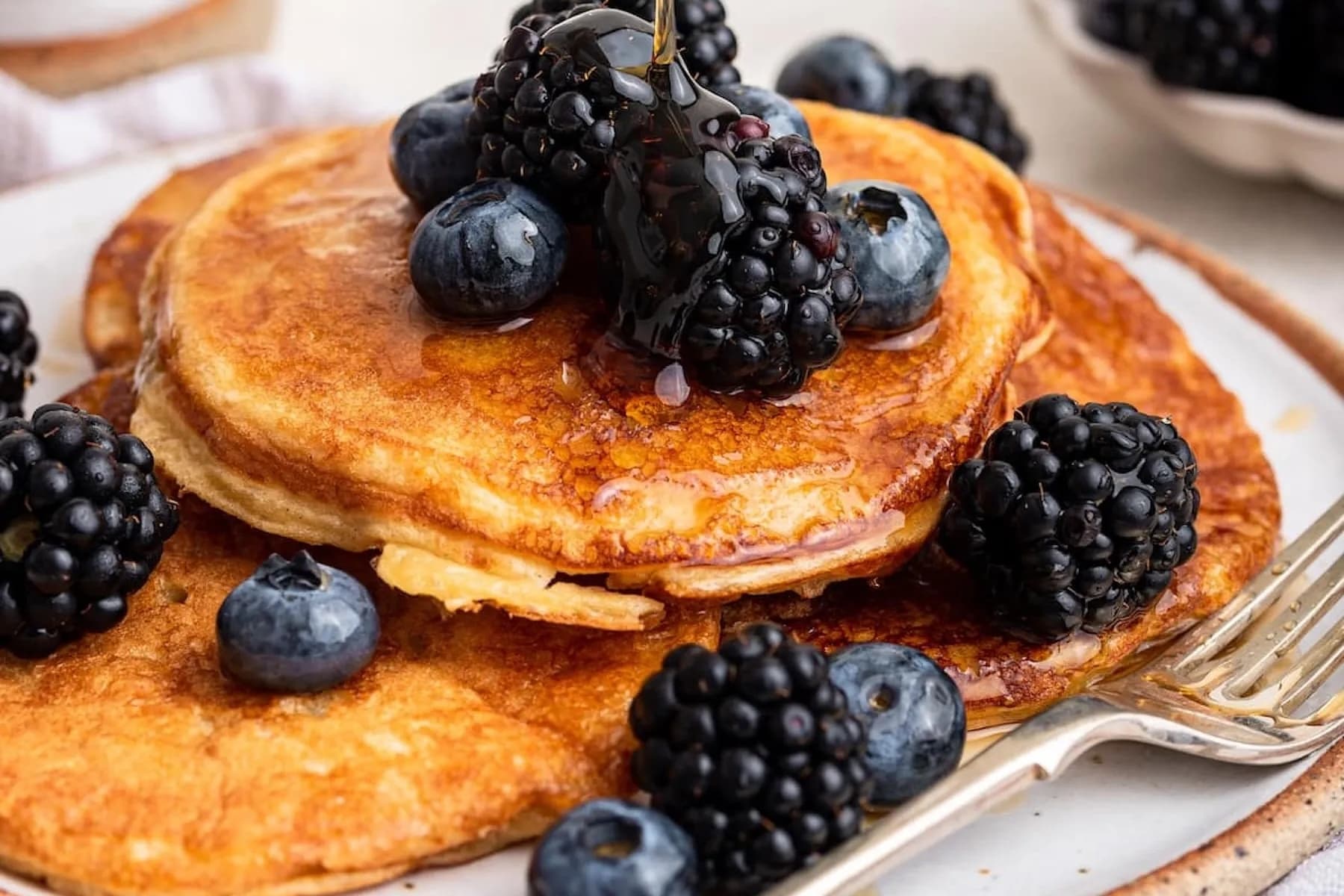
…cook cottage cheese pancakes. The star ingredient in these fluffy flapjacks means each pancake packs about 6 grams of protein. Swap the all-purpose flour for almond flour for extra fiber and protein, and instead of syrup, top your stack with a drizzle of nut butter and fresh fruit.
If you’re on the go…
…bake some sausage-spinach biscuits. Made with ground chicken or turkey sausage, eggs, and almond flour, one biscuit has about 20 grams of protein. Rosemary and baby spinach add antioxidants.
…wrap up a collard breakfast burrito. This recipe swaps carb-heavy tortillas for fiber-rich collard greens. Eggs, mushrooms, and spicy jalapenos deliver a satisfying filling for 18 grams of protein. Fold in two diced chicken sausage links for more flavor and an extra 6 grams of protein.
…blend this green smoothie. Many smoothies are sugar bombs, but this one is made with nut butter, flaxseed, and protein powder to deliver more than 25 grams of protein. Plus, the spinach and blueberries serve up immune-boosting vitamin C.

Track your protein intake with Levels.
Levels pairs real-time glucose data and comprehensive lab testing with clinician analysis and personalized support—everything you need to turn insights into real health improvements. Click here to get started with Levels.