The best healthy salad dressings
Don’t ruin your healthy salad with a glucose-spiking dressing. Here are options with no added sugar or questionable ingredients.


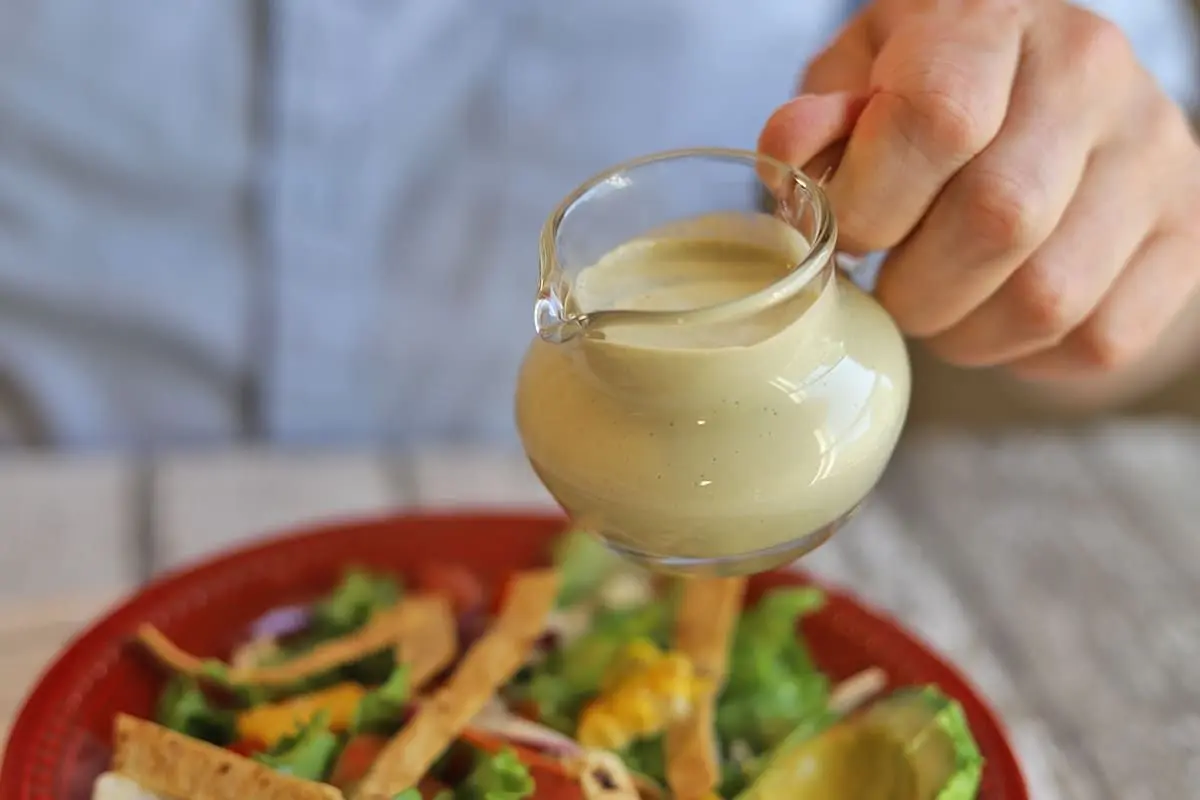
Salads are a delicious way to get your veggies and all the essential nutrients they contain. And tossing your bowl with a flavorful salad dressing can add even more benefits: Our bodies need fat to absorb specific disease-fighting vitamins and antioxidants. According to a study published in the American Journal of Clinical Nutrition, people had higher blood levels of lutein, lycopene, beta-carotene, and vitamin E when they ate a salad drizzled with an oil-containing dressing than when they ate it with an oil-free dressing.
"The key is dressing your salad the right way. Many bottled brands are made with processed seed oils, which may contribute to the inflammation and weight gain that can lead to insulin resistance, and also often contain added sweeteners, sometimes with more sugar per serving than a chocolate chip cookie."
But the key is dressing your salad the right way. Many bottled brands are made with processed seed oils, which may contribute to the inflammation and weight gain that can lead to insulin resistance. These dressings also often contain added sweeteners (sometimes with more sugar per serving than a chocolate chip cookie) that can cause your blood sugar to spike and crash.
The Problem with Typical Salad Dressing
To help you sort the good from the bad, let’s unpack common ingredients in grocery store salad dressings and how they impact your blood sugar:
Refined seed oils
The main ingredient in many bottled dressings is processed seed or vegetable oil, such as soybean or canola oil. These refined oils can be high in an omega-6 fatty acid called linoleic acid. Over time, Americans have increased the amount of omega-6 they consume as soybean oil became the dominant source of linoleic acid in packaged goods such as salad dressing. At the same time, they’ve eaten less anti-inflammatory omega 3. Some research points to this high ratio of omega 6s to omega 3s as a driver of chronic disease. It can trigger inflammation, which may set the stage for insulin resistance, Type 2 diabetes, cardiovascular disease, and cancer.
Get more nutrition advice like this delivered to your inbox
Sign up to make sure you see our latest nutrition advice, articles, and discounts
Added sugars
Even savory salad dressings can sneak in cane sugar, corn syrup, honey, maple syrup, and other sweeteners to enhance the flavor. Some brands deliver 11 grams of sugar per serving. That’s the equivalent of sprinkling nearly three teaspoons of table sugar onto your salad. This added sugar (even the so-called "natural" sugars like honey and maple syrup) can cause an increase in blood glucose, which, over time, may set the stage for insulin resistance. Although a well-balanced salad will have fiber and protein to slow the digestion and release of sugars in the bloodstream, added sugars can still overwhelm your body’s metabolism and lead to a spike.
Xantham gum
Made from fermented sugar, this white powder is used to thicken and stabilize salad dressings. Although it’s safe to eat, it can cause stomach discomfort in certain people.
Other additives
Certain salad dressings, such as ranch and Caesar, use titanium dioxide to make them appear a brighter shade of white. Studies suggest that this additive may cause DNA damage and inflammation, which can interfere with your blood glucose levels. It’s one of the food additives banned in other countries that you’re better off avoiding. Other dressings, such as French and Catalina, use artificial dyes for their hues. Some of these, such as red 40 and blue 1, may cause allergic reactions in some people.
Bottled dressings to try
When you want the convenience of premade dressing, consider one of these brands, all of which use simple ingredients and can be found in your general grocery store:
Primal Kitchen
This lineup of Whole30- and keto-approved dressings is free of added sugars, soybean oil, and canola oil. Instead, they’re made with avocado oil. Choose from a dozen flavors, including green goddess, poppy seed, sesame ginger, cilantro lime, and Greek (perfect drizzled over a summery Greek salad).
Mother Raw
Made with extra virgin olive oil, these dressings are free from artificial additives, and the Caesar, Greek, and Mediterranean flavors contain zero added sugars.
Garlic Gold
Get a garlicky kick from the Meyer lemon, red wine, or balsamic vinaigrettes, which are made with garlic-infused extra virgin olive oil and organic spices.
Tips for a healthy homemade salad dressing
The healthiest salad dressings are often your own. A drizzle of olive oil and apple cider vinegar or lemon juice is a smart, light pick to top a delicious salad, but it’s not the only option for healthy homemade dressings. Follow these steps to blend your own:
Start with a healthy fat
Fat can help increase your absorption of certain fat-soluble nutrients in your salad vegetables. Choose a fat that benefits your metabolic health: Avocado oil is a good choice that’s high in oleic acid, while adding extra virgin olive oil to a meal is shown to improve blood glucose and cholesterol levels.
Blend in creaminess
If you like silky-smooth dressing, use one of these nutrient-dense ingredients as a base: Tahini, a paste made from sesame seeds, adds a nutty flavor and an anti-inflammatory compound called sesamin. Avocado contains fiber and a number of nutrients, such as potassium and lutein, that help keep inflammation and blood glucose in check. Soaking and blending nuts (such as cashews or macadamia nuts) creates a rich cream; plus, nuts are high in protein, fiber, and healthy fats, and research shows that regularly eating nuts may improve metabolic health and reduce the risk of Type 2 diabetes. Dijon mustard or plain Greek yogurt can also help lend creaminess to your homemade dressing.
Pick a vinegar
A little acid helps balance a dressing and may help lower blood sugar. One study found that adding vinegar to a meal helped reduce insulin levels and glucose spikes afterward. That’s because vinegar may slow the breakdown of carbs. Different vinegars have unique flavors: Balsamic vinegar has a complex sweetness and a dose of sugar (3 grams per tablespoon). Red wine vinegar and apple cider vinegar, which have a sweet sharpness, and neutral-tasting white vinegar, are zero-sugar options. Skip rice vinegar, which is higher in sugar (8 grams per tablespoon).
Add some flavor
Now that you have a dressing base, play around with flavor profiles. Spices and herbs—such as rosemary, sage, and oregano—provide disease-fighting antioxidants, while studies show that ginger and turmeric may protect against the cellular damage that leads to inflammation. Add a tablespoon or two of mustard to turn a simple vinaigrette into a French-inspired mustard vinaigrette. Like a spicy kick? Add a dash of cayenne pepper, which may help lower blood sugar levels. Looking for an unexpected zesty pop? Add a couple teaspoons of lime juice. Looking for additional flavor depth? Add a dash of garlic powder.
9 healthy salad dressing recipes to try
Whether you’re in the mood for a tangy lemon vinaigrette or creamy Caesar, we’ve got you covered. These tasty dressings are simple to make and good for your metabolic health.
Creamy Garlic Dressing
This dressing pairs garlic—high in disease-fighting antioxidants—with creamy macadamia nuts, red wine vinegar, apple cider vinegar, mustard powder, and olive oil. Toss it with a salad, or serve it as a sauce for chicken, meat, or vegetables.
Lemon Apple Cider Vinaigrette
Apple cider vinegar and stevia, a natural sweetener, give this light citrusy vinaigrette its sweetness.
Creamy Avocado Dressing
Full of fiber and healthy fat, avocados are the star of this dressing. They're paired with zesty lime juice and garlic. Serve it on a crisp romaine salad dusted with flaky sea salt or as a dip with crudités.
Vegan Caesar Dressing
This classic gets its creaminess from raw cashews instead of cream or eggs. Nutritional yeast adds B vitamins and a cheesy, savory flavor.
Balsamic Herb Vinaigrette
Fresh basil and garlic liven up this tangy-sweet dressing.
Low-Carb Keto Ranch Dressing
This recipe lightens up a favorite standby by using almond milk, sour cream, lemon juice, and plenty of spices.
Creamy Cashew Dressing
Cashews give this oil-free dressing creaminess, while cilantro, garlic, and lemon juice give it zip. Tamari, an excellent substitute for soy sauce, gives it an umami depth.
Lemon Garlic Tahini
Garlic and tahini have compounds that may help reduce inflammation. This creamy dressing pairs well with chicken, seafood, and Greek salad filled with cucumber and tomato.
Keto Green Goddess
Made with avocado, avocado oil, and lemon juice (although you could easily substitute lime juice), this garlicky dressing is loaded with fresh basil and green onion.

See how better salad dressing can impact your health
Levels pairs real-time glucose data and comprehensive lab testing with clinician analysis and personalized support—everything you need to turn insights into real health improvements. Click here to get started with Levels.