Guide to Dehydroepiandrosterone Sulfate (DHEA-S)

Summary
DHEA-S is the sulfated, active form of DHEA, a hormone produced mainly by your adrenal glands that helps your body make testosterone and estrogen. Testing your DHEA-S levels helps identify hormonal imbalances that affect your energy, mood, and reproductive health.
Why It Matters
Your DHEA-S levels can tell you important information about your overall hormonal health and the functioning of your adrenal glands.
Healthy DHEA-S levels support energy, mood, immune function, and sexual health. When these levels are too high or too low, they can signal underlying health issues that may be affecting how you feel daily.
Your DHEA-S levels naturally change with age, peaking in your 20s and gradually declining thereafter. Unusually high levels might indicate conditions like polycystic ovary syndrome (PCOS) in women or certain adrenal disorders. Unusually low levels could point to adrenal insufficiency, chronic stress, or other health challenges.
Monitoring your DHEA-S can be especially helpful if you're experiencing unexplained fatigue, mood changes, irregular periods, fertility issues, or symptoms like unusual hair growth or loss. Your doctor might use this information and other hormone tests to develop a treatment plan tailored to your needs.
For many people, especially those over 50, knowing their DHEA-S levels can provide insight into their aging process and help guide decisions about lifestyle changes or treatments to maintain their quality of life.
Associated Symptoms
DHEA-S levels themselves are laboratory findings rather than medical conditions. However, abnormal levels may be associated with various health issues, each with its own symptoms.
Common symptoms that may indicate conditions associated with low DHEA-S:
- Persistent fatigue: Overwhelming tiredness can be due to decreased hormone support for energy metabolism
- Decreased muscle mass: Reduced strength and muscle tone can result from diminished anabolic support
- Mood changes: Depression, anxiety, or reduced sense of well-being may result from altered neurosteroid effects in the brain
- Cognitive difficulties: Problems with memory or concentration can be related to DHEA's role in brain function
- Reduced libido: Decreased sexual interest may be due to lower testosterone and estrogen production
- Joint pain: Discomfort in joints, possibly related to reduced anti-inflammatory effects
- Bone density loss: Gradual weakening of bones can result from decreased hormonal support for bone mineralization
Common symptoms that may indicate conditions associated with high DHEA-S in women:
- Hirsutism: Excessive hair growth in male-pattern locations (face, chest, abdomen) can be due to increased androgen effects
- Acne: Skin breakouts from increased sebum production may be stimulated by androgens
- Menstrual irregularities: Infrequent or absent periods can result from a hormonal imbalance affecting ovulation
- Male-pattern hair loss: Thinning at the crown or temples can result from androgenic effects on hair follicles
- Insulin resistance: Difficulty processing glucose effectively, potentially leading to weight gain
- Mood swings: Irritability or aggression can result from fluctuating hormone levels
In men, high DHEA-S typically causes fewer noticeable symptoms but may be associated with conditions requiring medical attention. It's important to note that many symptoms of abnormal DHEA-S overlap with other hormonal imbalances and health conditions. The pattern and progression of symptoms, combined with laboratory findings, help determine the underlying cause and appropriate treatment approach.
Clinical Ranges
Female:
- 18-21 Years: 44-286 mcg/dL
- 22-30 Years: 14-349 mcg/dL
- 31-40 Years: 19-237 mcg/dL
- 41-50 Years: 15-205 mcg/dL
- 51-60 Years: 5-167 mcg/dL
- 61-70 Years: 9-118 mcg/dL
- ≥70 Years: 4-157 mcg/dL
Male:
- 18-21 Years: 20-480 mcg/dL
- 22-30 Years: 74-617 mcg/dL
- 31-40 Years: 93-415 mcg/dL
- 41-50 Years: 61-442 mcg/dL
- 51-60 Years: 32-279 mcg/dL
- 61-70 Years: 20-217 mcg/dL
- ≥70 Years: 3-225 mcg/dL
Lifestyle Factors That Can Impact It
Activities that can impact DHEA-S levels include:
- Regular exercise: Moderate physical activity can help maintain healthy DHEA-S levels. However, excessive or prolonged high-intensity exercise may temporarily affect DHEA-S.
- Stress management: Chronic stress depletes adrenal resources over time, potentially reducing DHEA-S production. Yoga, meditation, deep breathing exercises, or mindfulness practices can positively affect cortisol levels.
- Sleep quality: Poor sleep disrupts the body's hormonal balance and may affect DHEA-S levels.
- Acute and chronic stress can affect DHEA-S levels.
- Alcohol and tobacco use: Alcohol and tobacco use can impact DHEA-S levels, potentially elevating them.
Other Factors That Can Impact It
Medical Conditions
- Adrenal insufficiency/Addison's disease: This leads to reduced adrenal cortex function, resulting in decreased production of adrenal hormones, including DHEA-S.
- Cushing's syndrome: Excessive cortisol production can disrupt the balance of other adrenal hormones, including DHEA-S.
- PCOS: The exact cause of PCOS (polycystic ovary syndrome) is unknown. It is thought to be a combination of genetic and environmental factors, particularly hormonal imbalances and insulin resistance. PCOS is often associated with high levels of insulin and androgens (including DHEA-S).
- Adrenal tumors: Both benign and malignant adrenal tumors can cause excessive production of DHEA-S.
- Chronic inflammatory conditions: Autoimmune diseases like rheumatoid arthritis and lupus can affect DHEA-S production through inflammatory mechanisms and immune system problems.
Medications and Supplements
- Glucocorticoids (prednisone, dexamethasone)
- Insulin
- Metformin
- Oral contraceptives
- DHEA supplements
- Antiseizure medications
- Ketoconazole, an antifungal medication
- Statins
- Danazol, a synthetic androgenic hormone
- Aminoglutethimide, an aromatase inhibitor
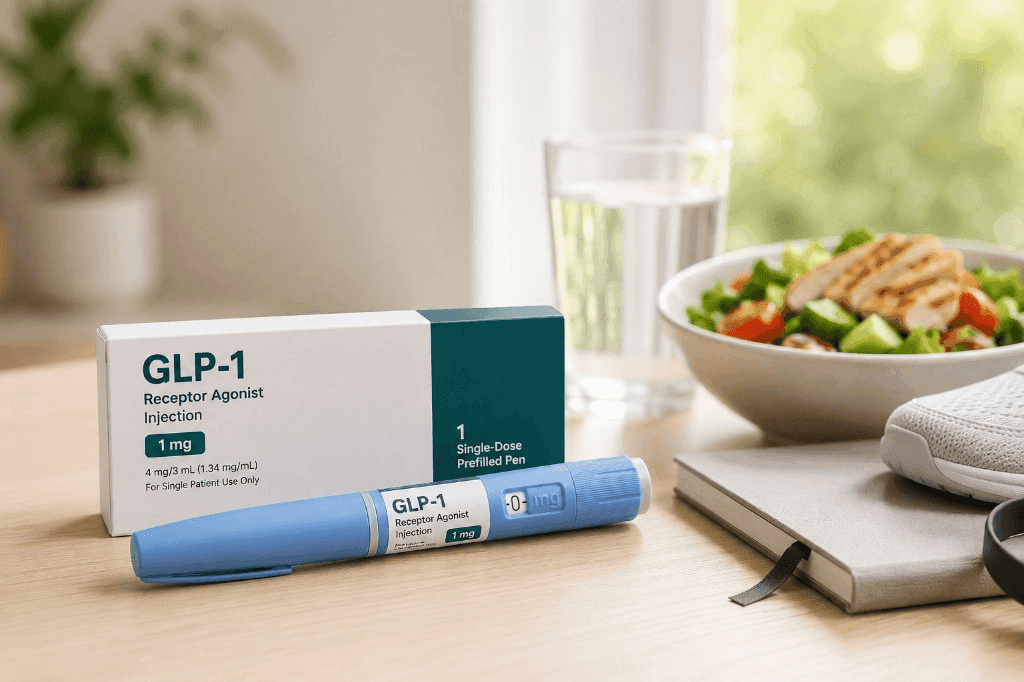
- GLP-1s: Semaglutide (Ozempic, Rybelsus, and Wegovy), Liraglutide (Victoza and Saxenda), Dulaglutide (Trulicity), medications used to treat diabetes and obesity
- For low DHEA-S levels: Adaptogenic herbs (such as ashwagandha, rhodiola, or licorice root (watch for hypertension), which may help regulate cortisol levels and support adrenal function.
- For high DHEA-S Levels: inositol, NAC, Vitamin D
- Note: Since DHEA is a hormone, supplementation with it should only be taken under the guidance of a physician.
Individual Factors
- Age: DHEA-S levels peak in early adulthood and decline progressively with age.
- Sex: Men typically maintain higher DHEA-S levels than women.
- Pregnancy: DHEA-S levels may decrease as the placenta becomes a source of steroid hormones.
- Menopause: The drop in estrogen can affect DHEA-S levels and their conversion to other hormones.
- Body composition: Higher body fat percentage can affect DHEA-S metabolism.
Testing Accuracy and Stability
DHEA-S tests are highly reliable, but several factors may affect test results.
Factors That Can Affect the Accuracy of Your Test
- Recent intense physical exercise
- Severe acute stress
- Certain medications (particularly steroids)
- Liver dysfunction
How It Relates to Other Markers
Other tests can provide insights about health status when viewed alongside DHEA-S results. These tests may include:
- Total and free testosterone: Measures an essential androgen that DHEA-S helps produce. Combined testing helps distinguish between primary gonadal issues and adrenal issues.
- Cortisol testing: Evaluates overall adrenal function.
- 17-hydroxyprogesterone: Important for diagnosing congenital adrenal hyperplasia when DHEA-S levels are abnormal.
- Androstenedione: Another androgen precursor that provides more information on androgen metabolism and sources of excess androgens.
- FSH and LH: Gonadotropins that help differentiate between primary gonadal disorders and adrenal sources.
- Thyroid hormones: Thyroid dysfunction can affect DHEA-S metabolism; conversely, abnormal DHEA-S can impact thyroid hormone conversion. Evaluating both systems provides a more complete picture of hormonal health.
What Results May Mean in the Context of Other Markers
- Low DHEA-S + high cortisol: May suggest chronic stress.
- High DHEAs + High Cortisol: may indicate acute stress
- Low DHEA-S + low testosterone: In men, it may suggest adrenal insufficiency or combined adrenal-testicular dysfunction.
- High DHEA-S + high testosterone: In women, may suggest either PCOS or an adrenal condition.
- High DHEA-S + abnormal insulin/glucose: May suggest insulin resistance and metabolic dysfunction, particularly in women with PCOS.
- Low DHEA-S + high inflammatory markers (CRP or ESR): May suggest chronic inflammation affecting adrenal function, potentially indicating an autoimmune condition.
Follow-up Considerations
If DHEA-S is abnormal, your provider may make some of the following recommendations. You should always speak to your doctor if you have medical questions or before making medical decisions.
When Re-Testing May Be Appropriate
- 3-6 months after starting hormone therapy, adrenal support or supplements
- Annually for routine monitoring, especially in people over 50
- 2-3 months after implementing significant lifestyle interventions
- When new symptoms develop, suggesting changing hormone levels
- Following recovery from an acute illness that may have affected levels
Additional Testing Your Doctor May Consider
- Complete sex hormone panel (estradiol, progesterone, testosterone)
- Adrenal function testing (ACTH stimulation test if adrenal insufficiency is suspected)
- Metabolic assessment (insulin, glucose, lipid profile)
- Pituitary hormone testing (if central adrenal dysfunction is suspected)
- Imaging studies of adrenal glands if tumors are suspected
When Additional Care May Be Warranted
- When DHEA-S levels are significantly outside age and sex-appropriate reference ranges
- If experiencing progressive or severe symptoms
- If you have unexplained weight changes, extreme fatigue, or significant mood disorders
- If testing suggests possible adrenal tumor or severe adrenal dysfunction
- Infertility
Bibliography
References
1. Labrie, Fernand, et al. "Is Dehydroepiandrosterone a Hormone?" Journal of Endocrinology, vol. 187, no. 2, 2005, pp. 169-196. DOI: 10.1677/joe.1.06264.
2. Orentreich, Norman, et al. "Age Changes and Sex Differences in Serum Dehydroepiandrosterone Sulfate Concentrations throughout Adulthood." The Journal of Clinical Endocrinology & Metabolism, vol. 59, no. 3, 1984, pp. 551-555. DOI: 10.1210/jcem-59-3-551.
3. Handelsman, David J., and Leonard Wartofsky. "Requirement for Mass Spectrometry Sex Steroid Assays in the Journal of Clinical Endocrinology and Metabolism." The Journal of Clinical Endocrinology & Metabolism, vol. 98, no. 10, 2013, pp. 3971-3973. DOI: 10.1210/jc.2013-3375.
4. Savineau, Jean-Pierre, et al. "Role of DHEA in Cardiovascular Diseases." Biochemical Pharmacology, vol. 85, no. 6, 2013, pp. 718-726. DOI: 10.1016/j.bcp.2012.12.004.
5. Rainey, William E., and Yasuhiro Nakamura. "Regulation of the Adrenal Androgen Biosynthesis." The Journal of Steroid Biochemistry and Molecular Biology, vol. 108, no. 3-5, 2007, pp. 281-286. DOI: 10.1016/j.jsbmb.2007.09.015.
6. Baulieu, Etienne-Emile, et al. "Dehydroepiandrosterone (DHEA), DHEA Sulfate, and Aging: Contribution of the DHEAge Study to a Sociobiomedical Issue." Proceedings of the National Academy of Sciences, vol. 97, no. 8, 2000, pp. 4279-4284. DOI: 10.1073/pnas.97.8.4279.
7. Shufelt, Chrisandra, et al. "DHEA-S Levels and Cardiovascular Disease Mortality in Postmenopausal Women: Results from the National Institutes of Health---National Heart, Lung, and Blood Institute (NHLBI)-Sponsored Women's Ischemia Syndrome Evaluation (WISE)." The Journal of Clinical Endocrinology & Metabolism, vol. 95, no. 11, 2010, pp. 4985-4992. DOI: 10.1210/jc.2010-0143.
8. Traish, Abdulmaged M., et al. "Dehydroepiandrosterone (DHEA)---A Precursor Steroid or an Active Hormone in Human Physiology." The Journal of Sexual Medicine, vol. 8, no. 11, 2011, pp. 2960-2982. DOI: 10.1111/j.1743-6109.2011.02523.x.
9. Maggio, Marcello, et al. "DHEA and Cognitive Function in the Elderly." The Journal of Steroid Biochemistry and Molecular Biology, vol. 145, 2015, pp. 281-292. DOI: 10.1016/j.jsbmb.2014.03.014.
10. Stárka, Luboslav, et al. "Dehydroepiandrosterone: A Neuroactive Steroid." The Journal of Steroid Biochemistry and Molecular Biology, vol. 145, 2015, pp. 254-260. DOI: 10.1016/j.jsbmb.2014.03.008.