The 2026 Levels Guide to female hormone tests
Understand why each biomarker matters and how, as a whole, they can provide insights about your overall health.


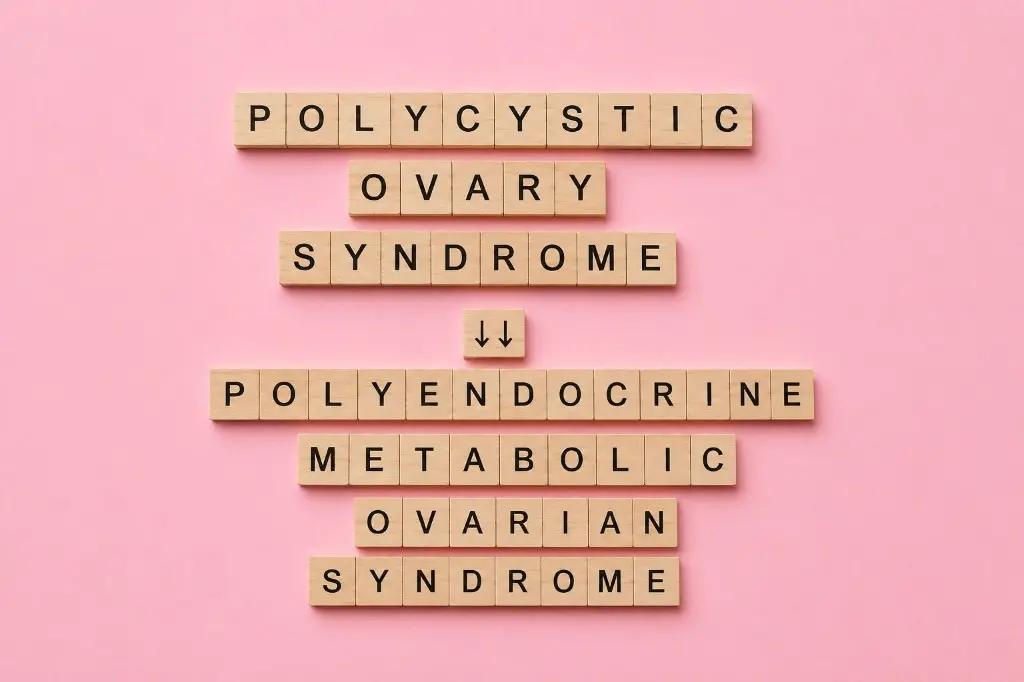
Hormones are essential in women's health. And yet, our knowledge about female hormones and hormone disorders has massive gaps, and hormone testing for women is not part of routine medical care. Hormone disorders are not uncommon. For example, polycystic ovarian syndrome (PCOS) (now called PMOS) may affect around 5 to 10 percent of premenopausal women in the USA, but up to 70 percent of cases are undiagnosed.
Hormone tests are a helpful tool to measure the levels of individual hormones in our bodies and diagnose conditions like PCOS. These tests are becoming increasingly more available, but the onus is often on women to specifically seek them out.
See how Levels can help improve your biomarkers.
- See where your numbers sit relative to optimal
- Pair the Levels app with a retest panel tailored to your markers
- Reassess to see your progress
Get a free interpretation grounded in Levels biomarker expertise and informed by our dataset of over 1.5 billion health data points.
Upload your labs freeFree lab interpretation
Already have labs?
Get a free interpretation grounded in Levels biomarker expertise and informed by our dataset of over 1.5 billion health data points.
Upload your labs freeWhether you're in the throes of a hormone-related health issue or simply want to know more about these tests, this overview will help you understand how female hormone tests work and what they can tell you.
This information is for educational purposes only and does not constitute medical advice. Talk to your doctor for specific questions about any medical tests and your personal lab results.
Why do female hormone levels matter for health?
Hormones are the chemical messengers of our body and work to regulate every major bodily process, including growth and development, metabolism, and reproduction. They impact things like sleep, mood, and energy levels, and, for women, play a major role in regulating menstruation, pregnancy, and menopause.
The hormones progesterone and estrogen work together to regulate the menstrual cycle, including the thickening and shedding of the uterine lining that occurs during each cycle. During the first half of the menstrual cycle, called the follicular phase, estrogen causes the uterine lining to thicken in preparation for potential pregnancy. After ovulation, during the luteal phase, progesterone rises and further develops this lining while maintaining it for about two weeks. If pregnancy doesn't occur, both hormone levels drop sharply, causing the thickened lining to shed as menstruation, once again beginning the follicular phase.
An imbalance in sex hormones can not only contribute to reproductive health issues like infertility and irregular periods but also impact brain health, bone health, heart health, and metabolic health. When progesterone is low, it can lead to a situation where estrogen is unopposed. The resulting imbalance between these hormones can contribute to menstrual irregularities and allow the uterine lining to thicken too much andincrease your risk for certain cancers.
Some hormones, such as estrogen, are protective against insulin resistance, while others have been linked to the development of metabolic syndrome when out of balance.
Hormone changes and fluctuations also occur naturally in puberty, pregnancy, postpartum, and during perimenopause and menopause. While these transitions are natural and common, they can also cause significant distress for women. Performing hormone tests can help you better understand what's going on in your body hormonally, and whether there are treatment options that can help.
When should you consider a blood test for female hormones?
Under current medical guidance, hormone testing is recommended when women present symptoms that could be hormone-related or have something specific in their health history. That said, some doctors---especially functional medicine doctors, primary care doctors, fertility doctors, or gynecologists---will order hormone tests as part of a regular workup because many hormone disorders go undiagnosed or misdiagnosed among women.
For example, as many as six out of every 10 cases of endometriosis remain undiagnosed, according to an article in the American Journal of Obstetrics and Gynecology. Although endometriosis can cause severe pelvic pain, it is often asymptomatic, only coming to a doctor's attention when being evaluated for fertility problems. (Blood tests alone are not diagnostic for endometriosis, but can help clinicians learn more.)
If you do have symptoms that are potentially related to hormonal imbalances, you have reason to ask your doctor to perform these tests. Any change in your baseline health between 35-55 might warrant exploration, but common symptoms of a hormone condition include:
- Irregular menstrual cycles
- Amenorrhea (the absence of a period)
- Symptoms of perimenopause or menopause, like hot flashes
- Persistent fatigue
- Low libido
- Chronic stress
- Excessive hair growth or acne
- Unexplained weight gain or difficulty losing weight
- Infertility
- Pelvic pain
- Persistent bloating
- Mood changes
- Severe premenstrual syndrome (PMS)
- Heat or cold intolerance
Most doctors can order female hormone testing, but if your doctor isn't able or willing to order these tests, some commercial labs (including Quest and Labcorp) allow you to order from them directly, and some companies (like Levels, Thorn, and Everlywell) offer at-home tests. When considering these options, look for FDA approval or certification, medical oversight and support, and transparency about data and privacy policies. Also, read customer reviews. Watch out for red flags like unrealistic promises---such as rapid weight loss or a cure for a disease---and a lack of customer support.
Lastly, keep in mind that these tests are typically only covered by insurance if they're deemed medically necessary---for example, if you have a hormone-related condition or any of the symptoms listed above.
What day of my cycle should I test?
Because female hormones are constantly fluctuating, it's important to know where you are in your cycle when you get your hormones tested and communicate with your doctor on the timing of your test. That way, you interpret your results within the context of your cycle, age, health history, and other factors.
According to Levels advisors, day three to five of your cycle---when hormone levels are considered "at baseline"---is a good time to initially perform these tests since progesterone, estrogen, luteinizing hormone (LH), and follicle-stimulating hormone (FSH) all spike later in the cycle but are more predictable during menstruation. That said, a doctor may recommend different timing depending on your unique concerns.
What are the female hormone tests, and what do they tell you?
Deciding exactly what hormones to test for and when can be complicated. Female hormones fluctuate and interact with one another, which can make the results difficult to analyze without specific medical training. Even if you order your own test, it's a good idea to bring the results to your physician---whether that's a primary care doctor, gynecologist, or endocrinologist---to help you make sense of the results and discuss a care plan if the results warrant one.
Most female hormone panels include the following hormones:
Estradiol (E2)
Estrogen refers to a family of chemically similar hormones. Estradiol (also known as E2) is the type of estrogen that's most abundant during a woman's reproductive years and acts as the star of the menstrual cycle. Estradiol levels increase during the follicular phase and peak around day 11 or 12, triggering a surge in LH, which leads to ovulation. Estradiol drops sharply just before ovulation and then undergoes another slight rise before falling again during the luteal phase.
Estradiol also plays a protective role in a woman's overall health, and its decline in late perimenopause is the main factor in the steeply increased risk of heart problems, bone health decline, Alzheimer's disease and other forms of dementia, and additional health problems for older women.
Estrogen is protective against cardiovascular disease, with higher levels of estrogen linked to high-density lipoprotein (HDL) cholesterol (considered generally beneficial cholesterol) and lower levels of estrogen linked to a rise in total cholesterol, low-density lipoprotein (LDL) cholesterol (considered harmful cholesterol), and triglycerides, which are all risk factors for cardiovascular disease.
Estrogen is also necessary for bone growth and maturation, with studies showing that estrogen deficiency can contribute to bone loss and destruction. In fact, women lose an estimated 20 percent of their bone mass around menopause. A lack of estrogen leads to increased activity of osteoclasts (bone cells that break down old bone so new bone can form) and, at the same time, decreased activity of osteoblasts (cells that build new bones).
In the brain, estrogen facilitates cognitive function through effects on the prefrontal cortex and hippocampus, which help regulate decision making, memory, and emotion. Despite controversy surrounding hormone replacement therapy, estrogen replacement therapy, especially when given prior to menopause, has been shown to reduce the risk of Alzheimer's disease. This demonstrates estrogen's ability to enhance signaling and synaptic activities important for memory and to protect neurons against oxidative injuries and beta-amyloid toxicity. Other studies have associated earlier menopause with an increased risk for Alzheimer's.
Additionally, estrogen benefits metabolic health. Animal models suggest it enhances the expression of insulin-signaling molecules so cells get the message to take up glucose from the blood---which improves insulin sensitivity---and it may promote subcutaneous fat (located just under the skin) over visceral fat (deeper fat that surrounds the organs and increases the risk of various conditions) in women of reproductive age.
Normal ranges for estradiol vary depending on cycle and stage of life, and what's considered "normal" varies by source. The reference ranges from blood testing lab Quest are:
- Follicular Phase 19-144 pg/mL
- Mid-Cycle 64-357 pg/mL
- Luteal Phase 56-214 pg/mL
- Postmenopausal ≤31 pg/mL
There isn't a normal range for estradiol levels during perimenopause since estradiol levels don't decline steadily during this time. Instead, they fluctuate erratically, which means someone might experience higher estrogen levels in one cycle and much lower levels the next.
The most common explanation of low estradiol is menopause. Low estrogen in women of reproductive age is rare, but it can be an indication of primary ovarian insufficiency (POI). Low estrogen in women of reproductive age may also be explained by nutrient deficiencies, certain genetic conditions or autoimmune disorders, treatments like radiation and chemotherapy that may have damaged the ovaries, and extreme stress.
Having high levels of estradiol is a more common finding and may be a sign of conditions such as polycystic ovary syndrome (PCOS, a metabolic disease associated with abnormal function of estrogen receptors) and endometriosis, a condition where tissue similar to that lining the uterus grows outside the uterus, causing pain and contributing to infertility.
Additionally, certain lifestyle factors, including alcohol consumption even at moderate levels, higher body fat, and exposure to xenoestrogens (estrogen-like chemicals commonly found in personal care products, toys, pesticides, fertilizers, and food packaging that mimic estrogen and interfere with hormones), have all been linked to higher-than-normal estrogen levels.
Progesterone
The other well-known female hormone, progesterone is a key player in the menstrual cycle and pregnancy. Levels of this hormone remain low during the follicular phase, but once ovulation occurs, the empty egg follicle transforms into the corpus luteum and releases progesterone to thicken the endometrium (uterine lining) and prepare for possible pregnancy. If the egg isn't fertilized, progesterone levels decrease; if fertilization occurs, progesterone levels continue to rise throughout pregnancy, supporting fetal development and preparing the breasts for producing milk.
In addition, progesterone plays a role in bone health by encouraging osteoblasts to mature. Progesterone also helps regulate mood and sleep, with studies displaying its ability to influence behavior and mental health through its receptors in the brain.
Normal ranges for progesterone also vary depending on cycle and stage of life, and what's considered "normal" varies by source. The reference ranges from blood testing lab Quest are:
- Follicular Phase <1.0 ng/mL
- Luteal Phase 2.6-21.5 ng/mL
- Perimenopause and menopause: Progesterone levels slowly decline and fall below 0.5 ng/mL post-menopause
Pregnancy
- First Trimester 4.1-34.0 ng/mL
- Second Trimester 24.0-76.0 ng/mL
- Third Trimester 52.0-302.0 ng/mL
High progesterone levels are normal during pregnancy and don't seem to be very common or well-understood outside of pregnancy. Some preliminary studies have connected sensitivity to progesterone levels to increased premenstrual mood symptoms. Other studies show higher glucose concentrations in the later half of the menstrual cycle due to higher levels of progesterone decreasing insulin sensitivity, which suggests that higher progesterone may promote insulin resistance.
While estrogen levels tend to drop in late perimenopause, progesterone levels generally drop earlier during the menopause transition. Since progesterone is produced after ovulation, low progesterone can occur in some women with PCOS if they have insufficient or absent ovulation. Lastly, low progesterone levels during pregnancy can make it harder to stay pregnant and have been linked to first-trimester miscarriages.
Total and free testosterone
Testosterone has a reputation as a male hormone, but women need it for healthy hormone balance too. It doesn't play as big of a role in the menstrual cycle as estrogen and progesterone, but studies show that it does seem to subtly peak mid-cycle. In women, testosterone helps promote bone density, support muscle mass and strength, and has been linked to cognition, processing speed, and verbal memory. Testosterone also affects mood and libido.
A hormone test for testosterone checks for both "total" and "free" testosterone. This is because most of the testosterone in your body is bound to proteins, and your body can only use the amount that's unbound, or "free."
Quest reference ranges for normal testosterone in women are:
- 18-69 Years: 0.1-6.4 pg/mL
- 70-89 Years: 0.2-3.7 pg/mL
Like low estrogen and progesterone, low testosterone can be caused by menopause and has been linked to decreases in mood, well-being, and libido. Surgery to remove the ovaries, conditions like Addison's disease, premature ovarian insufficiency, and malnutrition can also lead to decreased testosterone. Lastly, stress has been linked to decreased testosterone levels in women.
One of the most common causes of high testosterone is PCOS, though it can also be caused by certain types of tumors and anabolic steroids, which are synthetic derivatives of testosterone. Whatever the cause, high testosterone may increase your risk for various types of cancers and for insulin resistance by interfering with glucose metabolism.
Follicle-stimulating hormone (FSH)
Produced by the pituitary gland, FSH is another central figure in the menstrual cycle and fertility. This hormone gradually rises during the follicular phase, which causes the ovaries to produce follicles (small sacs of fluid that contain immature eggs). Just before ovulation, the quick boost in estrogen signals FSH production to slow, and this hormone remains low for the rest of the luteal phase. FSH also regulates bone mass, adipose tissue function, energy metabolism, and cholesterol production. In fact, the increased risk for metabolic syndrome during the menopausal transition may be explained by changes in FSH: Low levels are associated with obesity and elevated blood glucose, triglycerides, and blood pressure.
Quest reference ranges for normal FSH are
- Follicular Phase: 2.5-10.2 mIU/mL
- Mid-Cycle Peak: 3.1-17.7 mIU/mL
- Luteal Phase: 1.5-9.1 mIU/mL
- Postmenopausal: 23.0-116.3 mIU/mL
An FSH test is often used to uncover the cause of infertility and check for medical conditions that affect the menstrual cycle or the way the ovaries work. Abnormal FSH may signal an autoimmune disease or an issue with the hypothalamic or pituitary glands and has been linked to rapid weight loss.
FSH levels can rise in menopause, a shift linked to changes in body composition and cognitive decline. High FSH may also happen when the body isn't ovulating but is trying to, which can occur in hypothalamic, pituitary, thyroid, adrenal, ovarian, and metabolic disorders.
Luteinizing hormone (LH)
Also produced by the pituitary gland, LH is released steadily, though remains low, for the first two weeks of the cycle. Then, when estrogen peaks, LH surges, triggering ovulation. That's why some women use ovulation test strips---which typically measure LH---to try to detect impending ovulation. Like FSH, LH contributes to metabolic health by enhancing lipid synthesis and energy regulation. The fall in LH levels in menopause may further explain the increased risk for metabolic syndrome in women at this life stage.
Quest reference ranges for normal LH are:
- Follicular Phase: 1.9-12.5 mIU/mL
- Mid-Cycle Peak: 8.7-76.3 mIU/mL
- Luteal Phase: 0.5-16.9 mIU/mL
- Postmenopausal: 10.0-54.7 mIU/mL
Low LH can occur if a woman is underweight or malnourished, specifically in cases of protein malnutrition. And because it's produced by the pituitary gland, low LH can occur in diseases of the pituitary gland.
High LH may indicate POI, PCOS, thyroid diseases, or adrenal gland disorders.
Dehydroepiandrosterone sulfate (DHEA-S)
Produced by the adrenal glands, DHEA-S is known as a precursor hormone because our bodies convert it to estrogen and testosterone. Research has also shown that in some populations, low plasma levels of DHEA are associated with obesity, insulin resistance, dyslipidemia, and high blood pressure.
Normal ranges for DHEA-S are:
- Age 18 to 29: 45 to 320 µg/dL (micrograms per deciliter) or 1.2 to 8.7 µmol/L (micromoles per liter)
- Age 30 to 39: 40 to 325 µg/dL or 1.1 to 8.8 µmol/L
- Age 40 to 49: 25 to 220 µg/dL or 0.7 to 6.0 µmol/L
- Age 50 to 59: 15 to 170 µg/dL or 0.4 to 4.6 µmol/L
- Age 60+: less than 145 µg/dL or less than 3.9 µmol/L
Low DHEA-S may be an indication of adrenal insufficiency and Addison's disease. Low DHEA may also be linked to chronic stress.
High DHEA-S is associated with high levels of testosterone in PCOS, with a meta-analysis showing that women with PCOS had significantly higher levels of DHEA compared to healthy controls. It may also be a result of a genetic disorder affecting the adrenal glands or an adrenal gland tumor.
Anti-Müllerian Hormone (AMH)
AHM is a hormone commonly included in fertility testing and used to diagnose PCOS. This hormone is secreted by cells in the ovarian follicles and can be used as an indicator of a woman's ovarian reserve, or how many eggs she has left. AMH levels don't change much throughout a cycle, so it can be tested anytime.
Quest reference ranges for AMH levels are:
- 18-25 years: 1.02-14.63 ng/mL
- 26-30 years: 0.69-13.39 ng/mL
- 31-35 years: 0.36-10.07 ng/mL
- 36-40 years: 0.18-5.68 ng/mL
- 41-45 years: 0.01-2.99 ng/mL
- 45 years: Not established
Low AMH levels for your age range signal that you have fewer eggs and, therefore, may have a harder time conceiving naturally.
Elevated AMH levels are correlated with PCOS, with higher AMH associated with higher severity of PCOS.
Thyroid hormones
If you're having female hormone testing, your doctor may include a thyroid panel. Certain thyroid conditions are 10 times more likely to occur in women than men, and thyroid hormones influence the production, breakdown, and activity of hormones like estrogen and progesterone.
What's next if your female hormone levels are out of range?
On its own, a single low or high female hormone level can't tell you much. Instead, have a conversation with your doctor about your full picture of hormone health and how these hormones may affect one another. Depending on your results, your provider may recommend a wide range of treatments. For example, if you're diagnosed with PCOS and you test high for testosterone, your doctor may suggest anything from exercise or dietary recommendations to a prescription for oral contraceptives or insulin sensitizers to lower testosterone levels. Or if you're in perimenopause or close to menopause and your results show low estrogen, your doctor may suggest hormone replacement therapy to mitigate the symptoms and risks associated with this transition.
Overall, understanding your hormone levels can offer critical information to help safeguard your health throughout many phases in life. While there are many different ways to get your hormone levels tested, either through a doctor or independently, it's best to consult a medical professional about any concerns you have about your results.

Test and improve your hormone levels
Levels members can test their hormone levels through Levels Labs, and then use the Levels app to help improve levels by logging meals and setting exercise goals. Click here to learn more about Levels.