How to eat to support natural detox systems
Forget the fad detox diets. Truly eating to help your body deal with the toxins in today’s environment means following some basic principles.

Our bodies are exposed to countless substances every day. While some are harmless, others may negatively affect our health. Fortunately, we are born with innate mechanisms to process these compounds and eliminate ones that pose a threat to the body.
Our primary detoxification organ is the liver, but it’s not alone— processes in other body organs and systems such as the skin, gut, and kidneys supplement its actions. Together, they deal with a variety of compounds, such as heavy metals, environmental pollutants, metabolic waste, bacterial byproducts, excess hormones, synthetic chemicals, and food additives.
These intricate mechanisms rely on adequate nutrition support to function effectively. For example, protein provides amino acids necessary for building detoxification enzymes, while micronutrients serve as cofactors in important biochemical reactions. By understanding how to properly support natural detoxification processes through diet and lifestyle, we can empower our bodies to thrive in our modern environment.
The Liver: The Body’s Main Detoxifier
You may be aware of the liver’s vital importance for metabolic health, but as the body’s main detoxification organ, the liver performs its duties in two primary phases:
- Phase I Detoxification: This initial stage of detoxification is primarily carried out by cytochrome P450 (CYP450) enzymes. These enzymes modify foreign substances (e.g., pesticides, components of cigarette smoke, or certain medications) in the body through processes like oxidation, reduction, or hydrolysis. This process creates reactive intermediates that, if not further processed, can be more harmful than the original substance. This is the job of Phase II.
- Phase II Detoxification (Conjugation): In the next phase, the reactive intermediates from Phase I are conjugated (attached) to various molecules, making them water-soluble so they can be safely eliminated from the body. Common conjugating agents include glucuronic acid, sulfate, amino acids like glycine and taurine, and acetyl groups. A key player in Phase II is glutathione, which has a dual function—it acts as a conjugating agent while also serving as a potent antioxidant, scavenging free radicals generated during Phase I.
The liver also produces bile, which is important for digestion and detoxification. Bile helps eliminate fat-soluble toxins by binding to them and carrying them out of the body through the digestive tract. You can support healthy bile production by staying hydrated and consuming adequate fiber, healthy fats, and bitter foods (such as dandelion greens and chamomile tea).
Detoxification Through Other Systems
Although the liver is the primary detox organ, other systems are also important for processing foreign compounds. A healthy gut allows for proper digestion, prevents toxin reabsorption, and removes waste through bowel movements. It also has its own detoxification system, with enzymes and transporters that help process and get rid of unwanted compounds. The kidneys filter blood, eliminating water-soluble toxins through urine. The lymphatic system clears cellular waste, removes pathogens, and supports immune function by transporting immune factors such as white blood cells. Although the scale of its impact is debated, the skin, our largest organ, may also help to release some toxins through sweat, making saunas and steam baths not only relaxation tools but potentially helpful cleansing aids as well.
Nutrition for Detox Support
Although our inherent detoxification processes occur on their own, diet can make a big difference in how they function. Consider including the following foods to support your body’s detox machinery:
- Quality protein: Adequate protein intake is vital for both Phase I and Phase II liver detoxification. Amino acids from protein are the building blocks for detoxification enzymes. Consuming a variety of protein sources ensures adequate intake. Healthy choices include high-quality meats (grass-fed beef, free-range poultry), wild-caught fish, pasture-raised eggs, legumes, nuts, and seeds.
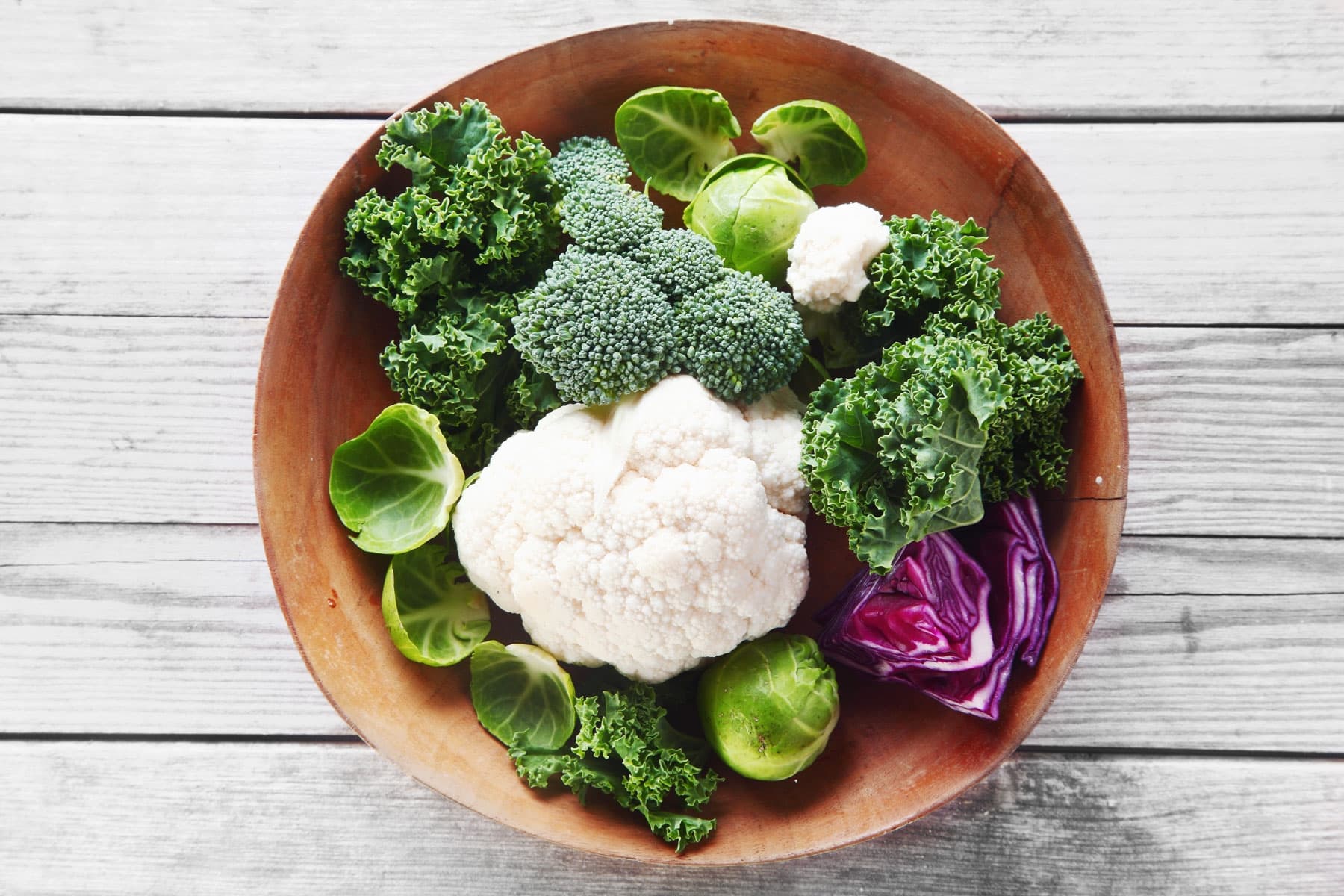
- Cruciferous vegetables: Cruciferous vegetables such as broccoli, cauliflower, Brussels sprouts, cabbage, and kale contain glucosinolates, which convert to isothiocyanates like sulforaphane. Sulforaphane induces glutathione production, supports Phase II detoxification enzymes, and has antioxidant and anti-inflammatory properties. To maximize these benefits, chop the vegetables and let them sit for 30-40 minutes before cooking to activate myrosinase, an enzyme needed for sulforaphane formation. Steaming, stir-frying, or roasting at lower temperatures are preferable to prolonged high-heat cooking methods such as boiling, which can deactivate myrosinase. Adding mustard seed, a source of myrosinase, to cooked cruciferous vegetables can also help.
- Antioxidant-rich produce: Foods such as berries (blueberries, raspberries, strawberries, blackberries) and dark leafy greens (kale, spinach, collard greens, Swiss chard) protect against free radicals generated during Phase I detoxification.
- Fiber: Fiber protects the gut and keeps toxins from being reabsorbed. Soluble fiber, found in foods such as apples, legumes, oats, and citrus fruits, helps to bind toxins and carry them out of the body. Insoluble fiber, found in foods such as broccoli, potatoes with skin, nuts, and seeds, promotes regular bowel movements.
- Healthy fats: Healthy fats are needed for proper cellular functioning and also support bile production. Omega-3 fatty acids, in particular, provide anti-inflammatory benefits. Beneficial choices include avocados, nuts and seeds, olive oil, and fatty fish like salmon and sardines.
Certain herbs and supplements may provide additional benefits, particularly for people with specific detoxification needs or genetic predispositions. While not everyone requires supplementation, targeted support can help in certain cases. Work with your doctor or a registered dietitian to determine which supplements are safe and effective for you. Below are some commonly used options and when they might be helpful:
- Alpha-lipoic acid (ALA): A powerful antioxidant that supports liver function and detoxification. Often used in cases of oxidative stress or heavy metal exposure.
- B-Complex: Supports various aspects of detoxification, particularly methylation. May be useful for people with genetic variations affecting B vitamin metabolism. Look for a high-quality supplement with bioavailable forms.
- Dandelion Root: Traditionally used to support liver and gallbladder function, and may be particularly helpful in cases of low bile flow (delicious as a tea!).
- 3'3 - Diindolylmethane (DIM) and Indole-3-Carbinol (I3C): Compounds derived from cruciferous vegetables that support healthy hormone metabolism and detoxification, which may be particularly helpful for those with hormone imbalances.
- Garlic: Contains allicin and other sulfur compounds that support liver detoxification enzymes and have antioxidant and anti-inflammatory properties. Can also help support glutathione production.
- Milk Thistle: Rich in silymarin, a compound that protects liver cells and supports liver regeneration. Often recommended for those with livers compromised due to medication, alcohol, or other factors.
- N-Acetylcysteine (NAC): A precursor to glutathione. May be used to support detoxification in cases of high toxin exposure or oxidative stress.
- Sulforaphane: A potent inducer of Phase II detoxification enzymes. While best obtained through cruciferous vegetables, sulforaphane supplements are also available.
Lifestyle Practices for Detox Support
Incorporating some key lifestyle practices will go a long way in supporting detoxification as well. Adequate sleep allows for cellular repair in the liver and beyond; try to get at least 7 hours per night. Hydration supports kidney function and toxin elimination. Managing chronic stress is also important, as it has the potential to impair detoxification by disrupting liver function, causing micronutrient depletion, and promoting oxidative stress. Regular exercise improves circulation and lymphatic drainage, which contribute to toxin removal. Additional supportive practices include lymphatic massage and activities that support sweating such as sauna sessions and hot yoga.
Reducing Environmental Exposures
One of the most effective ways to support detoxification is to reduce exposure to potentially harmful substances. Using organic cleaning supplies, personal care items, and cosmetics can reduce contact with synthetic chemicals. Choosing organic produce, meat, and dairy can limit your intake of synthetic pesticides, herbicides, hormones, and antibiotics used in conventional farming. To make informed, budget-conscious choices about organic purchases, you may consider consulting the Environmental Working Group's (EWG) “The Clean Fifteen” and “The Dirty Dozen” lists, which highlight produce with the lowest and highest pesticide residues. The EWG also has a database of product safety ratings. Beyond food, using a reverse osmosis or carbon filter can help reduce contaminants in drinking water, and being mindful of plastic use—especially when storing or heating food and beverages—can help limit exposure to compounds like BPA and phthalates.
As detailed above, your body is well-equipped to handle a certain level of unwanted compounds, particularly when supported by intentional nutrition and lifestyle choices. While it’s impossible to avoid them entirely, making practical adjustments where feasible can help reduce the overall burden on the body’s systems.

Take control of your health with expert guidance
Levels pairs real-time glucose data and comprehensive lab testing with clinician analysis and personalized support—everything you need to turn insights into real health improvements. Click here to get started with Levels.