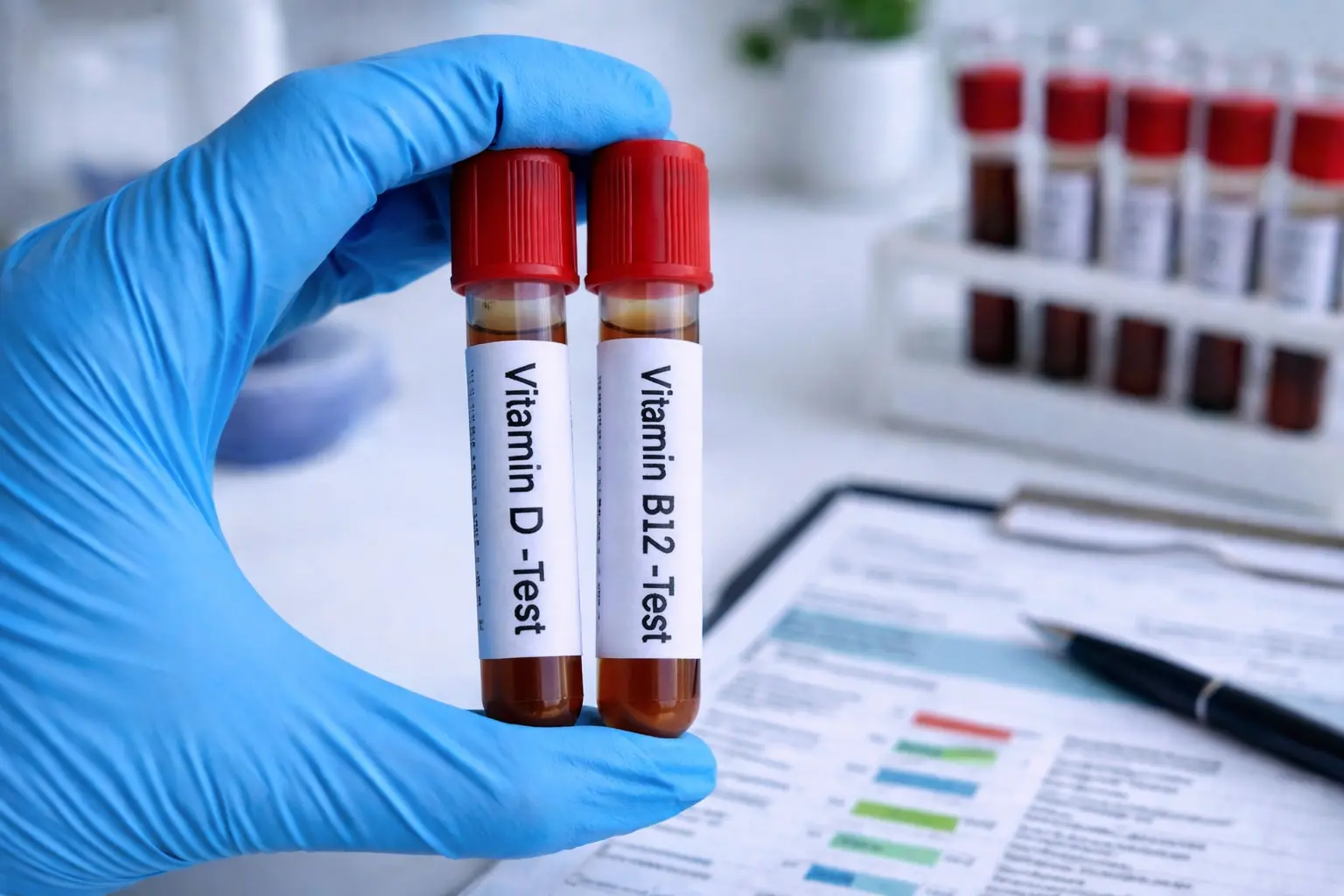
How to interpret blood tests for 7 common vitamin deficiencies
Understanding your levels may reveal the cause of symptoms and whether dietary changes or supplementation may help

Vitamin and mineral deficiencies are a hidden epidemic impacting metabolic health. According to the Centers for Disease Control and Prevention, many Americans have at least one micronutrient deficiency due to factors such as poor diet, age-related hormonal changes, and impaired nutrient absorption related to digestive disorders---yet many remain undiagnosed.
These micronutrient deficiencies don't just affect specific tissues. They disrupt fundamental cellular processes, including energy production, insulin signaling, glucose metabolism, and mitochondrial function, at times contributing to cognitive decline, fatigue, reduced ability to fight infections, and increased chronic disease risk.
See how Levels can help improve your vitamin D.
- See where your vitamin D sits relative to optimal
- Pair the Levels app with a Comprehensive retest panel that includes vitamin D
- Reassess to see your progress
Get a free interpretation grounded in Levels biomarker expertise and informed by our dataset of over 1.5 billion health data points.
Upload your labs freeFree lab interpretation
Already have labs?
Get a free interpretation grounded in Levels biomarker expertise and informed by our dataset of over 1.5 billion health data points.
Upload your labs freeThis comprehensive guide explains what you need to know about identifying vitamin and mineral deficiencies through blood testing, accurately interpreting results, and addressing these critical gaps to optimize your metabolic health.
How do blood tests measure vitamin deficiencies?
Often, healthcare providers do not order specific vitamin or mineral blood tests unless they suspect a deficiency based on symptoms or existing health conditions that alter micronutrient metabolism or absorption. Another example: If abnormalities appear on standard blood panels, such as a complete blood count (CBC) or a comprehensive metabolic panel (CMP).
If you or your doctor suspect a vitamin or mineral deficiency, both conventional labs and direct-to-consumer companies offer micronutrient blood testing options.
Plasma/serum vs. red blood cell testing
Some blood tests help detect vitamin and mineral deficiencies by measuring the concentration of a particular micronutrient in a component of human blood---typically in the plasma, serum, or red blood cells (RBCs). (Plasma is the liquid portion of blood minus red blood cells, white blood cells, and platelets; serum is plasma with the clotting factors removed.) The more common plasma and serum tests measure extracellular (outside of cells) levels of nutrients, while RBC tests measure intracellular (inside of cells) levels of nutrients.
Depending on the vitamin or mineral being assessed, one testing method may be preferable to another. For example, with folate (vitamin B9), plasma or serum concentrations reflect short-term dietary changes and may be affected by recent meals, which isn't ideal for detecting deficiency. Similarly, with magnesium and other nutrients primarily stored in tissue, serum and plasma levels can remain "normal" even when tissue levels are low. In both cases, RBC testing may better reflect longer-term nutrient status.
Additionally, inflammation limits the usefulness of plasma/serum testing. When you have an infection, injury, or anything that triggers inflammation, your body launches what's called an acute-phase response. This temporarily alters plasma nutrient concentrations without necessarily altering tissue nutrient levels. In this case, RBC testing can sometimes be more reliable, as it more closely reflects your body's tissue nutrient stores. (Just keep in mind: RBC testing is not available for all micronutrients, including vitamin D.)
What your results actually mean (and why "normal" isn't always optimal)
Once your blood is drawn, your levels are compared to a reference range of "normal" values for a nutrient to assess your status. Falling below the reference range may suggest a nutrient deficiency, meaning your body isn't getting enough of a nutrient to function properly. Falling within the reference range is typically a good sign, but it doesn't guarantee your levels are sufficient to support optimal function. This limitation of standard lab testing approaches stems from how reference ranges are calculated.
To determine reference ranges, labs test the blood of a large representative population sample (chosen based on characteristics like age, sex, and general health status) and use statistical analysis to identify the middle 95 percent of values for the nutrient in question. That becomes the reference range. The bottom 2.5 percent and the top 2.5 percent values are considered abnormal.
There are two big problems with this. One is that every lab determines its own reference ranges. This explains why you've probably seen slightly different ranges for the same test depending on where your blood is drawn.
The second problem is that reference ranges are quite broad and based on the current, generally healthy population, not an optimally healthy population. So a micronutrient value in the "normal" range could still be suboptimal for you. This is concerning because different "normal" but suboptimal micronutrient levels (also called marginal deficiencies or inadequacies) have been associated with various chronic health conditions, including cardiovascular disease, cancers, and stroke. Health researchers acknowledge this problem and are working toward determining more accurate cutoffs for deficient, suboptimal, adequate, and excess micronutrient status.
In the meantime, some functional medicine providers use a narrower range of values when evaluating micronutrient blood levels to help identify early stages of health issues. While there are no universally agreed-upon "optimal" ranges, practitioners and specialty lab testing companies may base these on the levels of micronutrients in the blood that are associated with the best health outcomes (not just the absence of disease) in clinical research studies.
Functional tests can provide additional context
Directly measuring vitamin and mineral levels in the blood isn't always enough. There may be cases when you're getting enough of a nutrient from your diet or your blood levels are in the "normal" range, but your body isn't effectively utilizing it. In that case, you'd want to confirm your results and determine the root cause. This is where functional nutrient testing comes in. These tests measure levels of another substance in the blood or urine to help reveal your actual nutrient status or how well your body is processing a particular nutrient.
For example, the body produces methylmalonic acid (MMA) in the blood when it's either not getting enough B12 or not using B12 properly. When serum B12 is normal but MMA is elevated, this may indicate a functional B12 deficiency and may be treated with high-dose injections of vitamin B12, which help bypass barriers to absorption.
Additionally, elevated levels of the plasma amino acid homocysteine can be a functional marker of folate, vitamin B12, or vitamin B6 deficiency, as all these vitamins are required to convert homocysteine into methionine. High homocysteine could also mean you have an MTHFR gene mutation, which makes you less efficient at converting inactive folate to the active form of folate that breaks down homocysteine. In this case, a person may benefit from supplementing with the active form of folate.
7 common vitamin and mineral deficiencies that impact metabolic health
Vitamin and mineral deficiencies are less common in the United States and developed countries than in countries lacking access to safe, quality food and healthcare---but they're still surprisingly prevalent.
A 2017 study analyzing data from the National Health and Nutrition Examination Survey (NHANES) found that 31 percent of the U.S. population was at risk for anemia (low red blood cells or hemoglobin, often caused by iron deficiency) or at least one vitamin deficiency---meaning they fell below the deficiency cutoffs established from CDC data for at least one micronutrient. Even more people have nutrient inadequacies---when intake of a nutrient is above the level usually associated with deficiency but below the estimated average requirement for healthy individuals---suggesting a potential for marginal deficiencies.
A variety of factors can put someone at risk for a nutrient deficiency, including:
- Inadequate diet
- Increased nutrient demands due to pregnancy, breastfeeding, and menstruation
- Decreased nutrient absorption from GI conditions like celiac and Crohn's disease
- Genetic mutations (like the MTHFR polymorphism)
- Lower bioavailability of some nutrients (e.g., zinc and iron) from plant versus animal sources
- Decreased synthesis of vitamin D from sunlight among individuals with dark-colored skin
- Common medications that impact nutrient absorption, metabolism, and excretion
- Aging, which can trigger changes (such as decreased stomach acid) that decrease vitamin D and B12 absorption
Now let's explore seven common nutrient deficiencies that can impact metabolic health and the blood tests that check for these deficiencies.
Iron
Why it matters: Iron plays a central role in metabolic health by enabling the body to transport oxygen and produce energy. It is a component of hemoglobin and myoglobin, proteins in the red blood cells and muscles that store oxygen and deliver it to your brain, other organs, and working muscles, which helps you feel physically and mentally energized. Iron is also a component of enzymes involved in the electron transport chain and citric acid cycle, two processes in the mitochondria that convert macronutrients from our food into ATP, the energy that powers all bodily processes. And iron is a cofactor for enzymes involved in DNA repair, which may curb disease risk, and is needed to launch effective immune responses to pathogens.
When we don't get enough iron, we may experience:
- Reduced capacity to exercise and skeletal muscle atrophy, even before iron deficiency anemia (IDA) develops
- Over time, IDA, resulting in abnormal red blood cell formation and symptoms such as fatigue, weakness, difficulty concentrating, impaired cognitive and immune function, and poor body temperature regulation
IDA has also been linked to impaired glucose metabolism---potentially due to poor conversion of proinsulin to active insulin in the body. This could negatively affect glycemic control and predispose people with diabetes to more complications.
How common is iron deficiency? Iron deficiency is the most common deficiency in the U.S., affecting about 10 percent of women of childbearing age and 1 percent of men under age 50 in developed countries. People at greatest risk for deficiency include pregnant women, who need more iron to make more blood to nourish a growing fetus; menstruating women, especially those with heavy periods; frequent blood donors; vegans and vegetarians, due to inadequate iron intake and the lower bioavailability of iron from plants; and people with conditions that cause nutrient malabsorption and/or gastrointestinal blood loss (such as celiac disease, ulcerative colitis, and Crohn's disease).
How to interpret iron tests: In generally healthy people, serum or plasma ferritin is considered the best way to assess early stages of iron deficiency, before IDA, and it corresponds well with iron tissue stores. To further assess the severity of iron deficiency, additional markers like transferrin saturation (TSAT, the percentage of the plasma protein transferrin that is bound with iron, which is decreased with deficiency) may be used. Using both tests is important for people with inflammatory conditions (such as inflammatory bowel diseases, rheumatoid arthritis, and chronic kidney disease), since inflammation increases ferritin levels even when iron stores are depleted.
(Note: While the routinely ordered CBC blood panel measures hemoglobin and hematocrit, these markers are only reduced in the later stages of deficiency when anemia is present.)
Standard range for serum/plasma ferritin:
- Men: 30 to 400 ng/mL
- Women: 15 to 150 ng/mL
Interpreting further testing:
- Low ferritin <30 ng/L = mild deficiency
- Low ferritin (<15 to 30 μg/L) + low TSAT (<16 percent) = marginal deficiency
- Low ferritin (<10 ng/mL) + low TSAT (<16 percent) + low hemoglobin (<12 to 13 g/dL) + low hematocrit (<37 to 40 percent) = iron deficiency anemia
- High ferritin (>150 to 300 ng/mL) + high TSAT (>50 percent) = possible iron overload
With chronic inflammation, ferritin <100 ng/L may be a marker of mild iron depletion, and ferritin 100 to 300 ng/L with TSAT (<20 percent) suggests deficiency.
What to consider if your results are out of range: If you're low in iron, prioritize iron-rich foods like red meat, poultry, fish and seafood, spinach, and legumes (particularly white beans and lentils). To help your body absorb more iron, pair these with vitamin C-rich foods (like bell peppers, oranges, or a citrus vinaigrette), and avoid tea, coffee, or calcium supplements during iron-rich meals, as they can interfere with absorption.
When deficiency is confirmed, an iron supplement---typically providing 18 to 65 mg.) of iron daily---may be needed to bring levels back up. High-dose supplements providing more than 45 mg per day may cause constipation and nausea, so only take these if advised by your doctor. Some research suggests that iron supplements in the form of ferrous bisglycinate may be less likely to cause gastrointestinal side effects.
If you don't respond to supplements, look into health conditions that may interfere with iron absorption or cause ongoing gastrointestinal blood loss.
When labs indicate iron overload, investigate the inherited condition hemochromatosis, which disrupts iron absorption and storage.
Vitamin D
Why it matters: Most body tissues have vitamin D receptors, so this nutrient has a vast impact on health. Notably, vitamin D promotes increased calcium and phosphorus absorption via the intestines to support the mineralization and strengthening of bones. It also regulates the immune system and suppresses inflammation by increasing the production of anti-inflammatory cytokines; supports heart health by influencing the renin-angiotensin-aldosterone system (RAAS) that regulates blood pressure; aids normal muscle contraction and relaxation by influencing the uptake of calcium into muscle cells; and supports healthy glucose metabolism by protecting pancreatic beta-cells and regulating insulin synthesis.
Here's what can happen when we don't get enough vitamin D:
- The body releases stored calcium from bones to maintain stable blood calcium levels. This ultimately leads to osteomalacia, or decreased bone mineral density, and increased fracture risk.
- Fast-twitch muscle fibers can atrophy, causing muscle pain and weakness and increasing the risk of falls and fractures.
Additionally, low vitamin D is associated with:
- Symptoms of fatigue and anxiety and depression, possibly due to D's role in regulating inflammation and neurotransmitters.
- Insulin resistance, metabolic syndrome, cardiovascular disease, and diabetes, which may be related to the vitamin's impact on inflammation, insulin synthesis, and other factors.
How common is vitamin D deficiency? An estimated 2.6 percent of the U.S. population is considered severely deficient, while 22 percent is moderately deficient and 41 percent is insufficient, according to NHANES data. Deficiency is higher among older adults, who absorb less vitamin D from food and are less efficient at synthesizing D from the sun. People with darker skin are at risk for deficiency because the pigment melanin interferes with vitamin D synthesis, as are people who live farther from the equator, with less direct sun exposure.
Because vitamin D is a fat-soluble vitamin, people with fat malabsorption (such as people with GI conditions or who have had gastric bypass surgery) are also at risk for deficiency. Excess body fat can trap vitamin D and interfere with enzymes needed to activate it, so obesity is also a risk factor.
How to interpret a vitamin D test: Vitamin D status is most often assessed with a serum 25-hydroxyvitamin D (25-OH D) test, which is widely regarded as the best indicator of vitamin D deficiency or excess in the general population. On the other hand, testing 1,25-dihydroxyvitamin D (1,25-OH 2D) is only indicated for patients on dialysis or with end-stage renal disease and does not reflect vitamin D reserves. Inflammation can temporarily lower serum or plasma vitamin D levels, potentially due to increased tissue uptake. So plasma vitamin D tests are unreliable when levels of the inflammatory marker C-reactive protein (CRP) are above 20 milligrams per liter (mg/L).
- Standard reference range for 25-OH D: 30 to 100 nanograms per milliliter (ng/mL)
Interpreting 25-OH D test results:
- <12 ng/mL: Severely deficient; may lead to obvious deficiency symptoms, such as osteomalacia (bone softening), if left untreated.
- 12 to 20 ng/mL: Deficient; high metabolic and overall health risk.
- 20 to 30 ng/mL: Insufficient; moderate metabolic and overall health risk.
- 30 to 80 ng/mL: Normal or sufficient; optimal range for most individuals, with increased benefit for various health outcomes associated with levels of 36 to 40 ng/mL. Pregnant people may benefit from a range of 40 to 60 ng/mL.
- >100 to 150 ng/mL: Potential toxicity. Vitamin D toxicity is most often associated with levels above 150 ng/mL, which could lead to symptoms of hypercalcemia (high calcium in the blood) like nausea, vomiting, and kidney stones.
What to consider if your results are out of range: If you're low in vitamin D, you can incorporate vitamin D-rich foods such as fatty fish (trout, salmon, sardines), mushrooms exposed to UV light, eggs, and fortified milks---but you may also need to supplement. To achieve blood levels of at least 30 ng/mL, adults living at temperate latitudes (think: anywhere with distinct seasons) need 800 to 1,000 IU per day, ideally from vitamin D3, which is more effective than D2. If you're severely deficient, you may be prescribed up to 6,000 IU per day followed by a maintenance dose. Sun exposure can raise levels, too, but less reliably than supplements.
There are a few things to consider if levels don't rise despite supplementation. If you have obesity, you may need to take vitamin D and magnesium, which are needed for D-activating enzymes that are otherwise impaired due to excess body fat. Impaired kidney function can also prevent you from efficiently converting vitamin D to its active form; in this case, you may need a specialized form called calcitriol (Rocaltrol). You should also look into underlying GI conditions and drug interactions (such as steroids or laxatives) that could impair absorption.
Vitamin B12
Why it matters: Found naturally in animal foods, vitamin B12 regulates key metabolic processes in the body both directly and as a cofactor (or "helper molecule") for two enzymes (methionine synthase and L-methylmalonyl-coenzyme A mutase). It aids in the production of energy (ATP), and it helps make the oxygen-carrying protein hemoglobin in red blood cells, which also influences energy levels. Vitamin B12 is vital for DNA synthesis and methylation reactions (like DNA methylation), which impact gene expression, cellular function, and overall health. It helps produce neurotransmitters and myelin sheaths (fatty coverings surrounding nerve fibers) that support normal neurological and cognitive function. Lastly, along with folate, vitamin B12 prevents a buildup of the amino acid homocysteine, which is harmful at high levels.
When we don't get enough vitamin B12, it can:
- Reduce ATP production, potentially contributing to mitochondrial dysfunction and insulin resistance
- Cause megaloblastic anemia, characterized by abnormally large, hemoglobin-poor red blood cells that die prematurely. This means your tissues don't get enough oxygen-rich blood, leading to symptoms like fatigue and paleness.
- Trigger neurologic symptoms, such as numbness and tingling in hands and feet, mood changes, anxiety, difficulty walking, disorientation, and memory loss. These symptoms progress gradually, but if untreated, could be permanent.
- Elevate homocysteine levels, impairing normal blood vessel function, promoting oxidative stress, and increasing risk of atherosclerosis, cardiovascular disease, insulin resistance, and Type 2 diabetes.
- Create functional folate deficiency (a buildup of inactive folate that can't do its job), because B12 is a cofactor for the enzyme that turns inactive folate into active folate.
How common is B12 deficiency? Severe vitamin B12 deficiency affects about 3 percent of adults in developed countries, but a more marginal deficiency may impact 26 percent, with the highest rates among adults older than 60. Stomach acid and a protein called intrinsic factor (IF) aid in B12 absorption. So people at greatest risk for deficiency include those with low stomach acid (e.g., older adults and people on proton pump inhibitors or antacids) or low IF production (known as pernicious anemia), people on medications that interfere with B12 absorption (such as metformin), people who have had gastric surgery, those with GI conditions that impair nutrient absorption (like celiac or Crohn's disease), and people on vegan and vegetarian diets.
How to interpret vitamin B12 tests: A serum B12 test is the initial blood test used to screen for deficiency. But the range for what's "normal" is debatable, so it's recommended to use at least two testing methods. Often, the next test is serum methylmalonic acid (MMA), a functional marker of B12 deficiency that's produced when there's not enough active vitamin B12 present. Homocysteine levels can also help assess vitamin B12 status in people with adequate folate and B6 status. MMA and homocysteine are better at diagnosing B12 deficiency at an early, mostly asymptomatic state.
- Standard reference range for serum B12: 200 to 1100 picograms per milliliter (pg/mL)
Interpreting serum B12 results in different contexts:
- Serum B12 <200 pg/mL: Deficient; sustained over time, these levels may lead to obvious deficiency symptoms such as anemia and neuropathy.
- Serum B12 200 to 399 pg/mL: Possibly deficient; if serum B12 levels are between 150-399 pg/mL, your doctor may advise you to check MMA. If folate and B6 are normal, elevated homocysteine may also help identify B12 deficiency.
- Serum B12 >400 pg/mL: Normal. Doctors may advise testing MMA and/or homocysteine if symptoms are present.
- Serum B12 500 to 1300 pg/mL: Normal. This range may be optimal, according to some research, given its association with improved cognitive function.
- Standard reference range for serum or plasma MMA: 0 to 378 nanomoles per liter (nmol/L) or 0 to 0.378 micromoles per liter (μmol/L)
- MMA >270 nmol/L may indicate B12 deficiency, especially if symptoms are present.
- Standard reference range for homocysteine: 0.0 to 14.5 μmol/L
- Homocysteine >15 μmol/L may indicate B12 deficiency if folate and B6 are normal.
What to consider if your results are out of range: If you're low in vitamin B12, you can incorporate B12-rich foods such as clams, mackerel, salmon, beef, dairy, or nutritional yeast into your diet, but you may still need to supplement. People older than 50 should get most of their vitamin B12 from supplements because they often don't have enough stomach acid to absorb it from food efficiently. Multivitamins often include B12 at 5 to 25 micrograms (mcg), which may be sufficient for some.
To help bypass any barriers to absorption in the GI tract, many healthcare providers recommend B12 injections for deficiency, but research shows that very high doses of oral B12 (1,000 to 2,000 mcg once a day) can normalize serum B12 levels to a similar extent with minimal side effects.
If you have impaired kidney function, some research suggests these high doses may cause further deterioration, so consult with your doctor before supplementing. If your levels don't improve upon supplementation, investigate underlying GI conditions and medication interactions that could impair absorption.
Folate
Why it matters: Folate (vitamin B9) works closely with vitamin B12 in critical metabolic pathways. Folate is a co-factor for enzymes that regulate DNA synthesis and methylation, and is more directly involved in these processes than B12---making it vital for proper gene expression as well as cell growth, repair, and division, especially during periods of rapid growth like pregnancy. Folate is also involved in the production of healthy red blood cells.) that deliver oxygen and nutrients to your tissues, and in the conversion of the amino acid homocysteine into methionine. This process prevents homocysteine from becoming dangerously elevated.
Here's what can happen when we don't get enough folate:
- Severe congenital disabilities since folate demand is higher in pregnancy. (Folate deficiency disrupts normal DNA synthesis and methylation, which interferes with cell division and development, especially in rapidly dividing embryos.)
- Megaloblastic anemia, which can lead to symptoms like fatigue, weakness, and difficulty concentrating
- Elevated homocysteine, even when B12 levels are normal. In turn, this may increase risk of atherosclerosis, cardiovascular disease, insulin resistance, and Type 2 diabetes.
- Increased insulin resistance due to alterations in normal DNA methylation
How common is folate deficiency? Overt folate deficiency is rare in countries with mandatory folic acid fortification programs, affecting less than 1 percent of the population. (In these countries---including the United States---cereal grain products labeled "enriched" contain added folic acid). But keep in mind: Most fortified foods are refined grain products, which you may not eat a lot of since they spike blood glucose levels.
Suboptimal levels or insufficiency may affect around 20 percent of the U.S. population, according to an analysis of NHANES data. Those at greatest risk include: pregnant women; people with malabsorption disorders such as inflammatory bowel diseases and celiac disease; people with alcohol use disorder, which decreases folate absorption and accelerates its breakdown; and people with an MTHFR genetic polymorphism (or mutation) whose cells are less efficient at converting folate into its active form.
How to interpret folate tests: Folate can be directly tested with a serum folate test or a red blood cell (RBC) folate test. Serum folate reflects short-term changes in diet and may be altered by recent meals, so fasting for about six hours beforehand is required, and repeated testing is needed to identify true deficiency. If someone has low-normal serum folate but functional deficiency is still suspected, homocysteine and MMA may be checked. In folate deficiency, homocysteine would be elevated (>15 μmol/L) while MMA would be normal (<270 nmol/L). As a single test, though, RBC folate is more accurate: It reflects average liver folate stores over four months and is not influenced by recent intake.
- Standard reference range for serum folate: 2 to 20 ng/mL
- Serum folate <2 to 3.4 ng/mL: Deficiency; below this level, overt deficiency symptoms such as megaloblastic anemia may be seen.
- Serum folate 3.4 to 5.5 ng/mL: Possible deficiency or insufficiency; many hospitals and large reference labs use <5.5 ng/mL as evidence of insufficiency.
- Serum folate >5.5 ng/mL: Adequate for preventing deficiency but not necessarily preventing neural tube defects or optimizing homocysteine reduction.
- Serum folate >7 to 13 ng/mL: Optimal for metabolic function. Levels greater than 7 ng/mL and 13 ng/mL may be needed to optimally prevent elevated homocysteine and neural tube defects, respectively, per some research.
- Standard reference range for RBC folate: 140 to 628 ng/mL (317 to 1422 nmol/L)
- RBC folate <140 ng/mL (<322 nmol/L): Significant deficiency; these levels are more strongly associated with neural tube defects.
- RBC folate >440 ng/mL (>1,000 nmol/L): Optimal for metabolic function; these levels have been associated with optimal prevention of neural tube defects.
What to consider if your results are out of range: If you're low in folate, increase your intake of naturally folate-rich foods such as spinach and other dark greens, asparagus, Brussels sprouts, avocado, black-eyed peas and other legumes, and citrus fruits. Also consider a folate supplement (680 to 1,360 mcg DFE, or 400 to 800 mcg folic acid), particularly if you're a woman in your childbearing years. If you have the MTHFR polymorphism, you could benefit from the active form of folate (5-MTHF or methylfolate), which may be more bioavailable.
If levels don't respond to standard supplementation, investigate possible MTHFR polymorphisms, malabsorption conditions like celiac or Crohn's disease, or potential medication interactions. Drugs for rheumatoid arthritis, ulcerative colitis, and seizures can interfere with absorption.
Vitamin B6
Why it matters: Vitamin B6 is a cofactor in more than 140 reactions, including those that regulate protein, fat, and glucose metabolism. It assists in the breakdown of glycogen to free up stored glucose for energy; supports the production of non-essential amino acids like cysteine; and aids in the synthesis of carnitine, which is essential for fat oxidation. Vitamin B6 also helps produce neurotransmitters (like GABA, dopamine, serotonin) that influence mood and cognitive function, and regulates the immune response by helping inhibit proinflammatory cytokines. With B12 and folate, B6 assists in the breakdown of homocysteine, and, like iron, it helps make hemoglobin to support healthy red blood cells.
When we don't get enough vitamin B6, it can lead to:
- Higher homocysteine levels, which are a known risk factor for atherosclerotic cardiovascular disease, have been associated with insulin resistance and Type 2 diabetes.
- Impaired heme production, leading to blood cells with less oxygen-carrying hemoglobin and, over time, microcytic anemia.
Additionally, low B6 is associated with:
- Inflammatory conditions like rheumatoid arthritis
- The onset and progression of Type 2 diabetes, possibly by interfering with the secretion and activity of insulin and other mechanisms. Diabetes, in turn, promotes inflammation and may increase B6 demand.
- Impaired immune function, peripheral neuropathy, glossitis (swollen tongue), and skin conditions. Periorificial dermatitis (small, red, inflamed bumps around the nose, mouth, or eyes) can be one of the first signs of deficiency, developing within three weeks of low intake.
How common is B6 deficiency? Overt vitamin B6 deficiency is rare, but approximately 10 percent of Americans may have inadequate B6 status, and it often occurs with deficiencies in other B vitamins like folate and B12. Rates of deficiency tend to be higher among people with impaired kidney function; autoimmune disorders and other inflammatory conditions that increase the demand for B6; alcohol use disorder, which interferes with the formation of active vitamin B6; and conditions or procedures that impair nutrient absorption, such as celiac disease, Crohn's disease, ulcerative colitis, and gastric surgery. Oral contraceptives, which interfere with B6 metabolism, have also been associated with low levels.
How to interpret vitamin B6 tests: Plasma pyridoxal-5'-phosphate (PLP) is considered the best way to assess vitamin B6 status in people without inflammatory conditions---it is the active form of B6 in the body and not strongly influenced by daily fluctuations in B6 intake. However, systemic inflammation can reduce plasma PLP levels even when a true deficiency is absent. Measuring red blood cell PLP can be more reliable in this setting, but it's not widely available. An alternative: Measuring urine levels of xanthurenic acid following intake of a high dose of tryptophan. Vitamin B6 is required for tryptophan metabolism, and with insufficient amounts, xanthurenic acid accumulates.
- Standard reference range for plasma pyridoxal-5'-phosphate (PLP): 20 to 200 nmol/L or 5 to 50 micrograms per liter (mcg/L)
- Plasma PLP <20 nmol/L (5 mcg/L): Deficiency
- Plasma PLP 20 to 30 nmol/L (5 to 7.4 mcg/L): Insufficiency
- Plasma PLP >30 nmol/L (>7.4 mcg/L): Adequacy
- Plasma PLP 30 to 60 nmol/L (7.4 to 15 mcg/L): Potentially optimal
- Plasma PLP >100 nmol/L (>25 mcg/L): Toxicity
- Elevated xanthurenic acid: Functional B6 deficiency
What to consider if your results are out of range: If you're low in vitamin B6, prioritize B6-rich foods like chickpeas, salmon, chicken, turkey, potatoes, and bananas, and consider supplementing with no more than 25 mg of vitamin B6 (as pyridoxine) per day. Avoid taking high-dose B6 supplements without consulting your doctor: While the daily upper limit is set at 100 mg pyridoxine, there have been reported cases of pyridoxine-induced neuropathy in people taking 25 to 50 mg per day for longer than six months. Vitamin B6 in its less common form of pyridoxal 5′-phosphate (PLP) may be less likely to cause neuropathy at high doses.
If you have an underlying health condition like kidney disease, or if you take medication that interferes with B6 metabolism or absorption (such as oral contraceptives, hypertension drugs like hydralazine, and others), ask your doctor about appropriate supplement dosing.
Magnesium
Why it matters: Magnesium is a cofactor in more than 300 reactions, including those involved in energy production, the synthesis of proteins and antioxidants, and blood glucose control. Specifically, magnesium is required by several enzymes involved in the citric acid cycle and electron transport chain---mitochondrial processes that help turn the carbohydrates, proteins, and fats consumed in our diet into ATP. Magnesium improves insulin sensitivity, which supports stable blood sugar, by helping insulin bind to its receptor on cells and by moving glucose transport proteins to the cell surface. Magnesium is also an electrolyte that supports healthy blood pressure and normal nerve impulses, heart rhythm, and muscle function; and it's needed by enzymes in the liver and kidneys that convert vitamin D into its active form.
Here's what can happen when we don't get enough magnesium:
- Oxidative stress and mitochondrial dysfunction, resulting in decreased ATP production. Less ATP promotes more oxidative stress, meaning cells won't have the energy they need to function optimally.
- Increased inflammation, a root of nearly all chronic disease, including heart disease.
- Heart palpitations and muscle spasms or cramps.
Additionally, low magnesium intake has been linked to increased risk of Type 2 diabetes and metabolic syndrome.
How common is magnesium deficiency? Magnesium deficiency is considered rare among healthy people eating a balanced diet, but according to NHANES data, around 48 percent of the U.S. population consumes less than the recommended amount. Older adults are at risk of magnesium deficiency due to reduced intestinal absorption and increased urinary excretion. Type 2 diabetes can further drive deficiency by increasing urinary magnesium losses. People with GI conditions (such as chronic diarrhea, celiac disease, Crohn's disease, and ulcerative colitis) or who have had procedures like gastric bypass surgery that impair nutrient absorption are also at greater risk.
Alcohol use disorder can increase risk of magnesium deficiency via multiple mechanisms. Additionally, use of proton pump inhibitors (PPIs) and diuretics (or "water pills") such as furosemide and hydrochlorothiazide can lead to magnesium deficiency over time.
How to interpret a magnesium test: Only about 1 percent of the body's magnesium circulates in the bloodstream, and these levels are tightly regulated, which makes testing unreliable for assessing total body stores. Symptoms (muscle cramps, arrhythmias, fatigue) and dietary history often provide better clues than blood tests.
If you choose to test, consider the following: Serum magnesium is the most common measure of magnesium status, but levels may appear normal when tissue stores are low. Even levels in the upper-normal range do not guarantee sufficiency. Red blood cell (RBC) or erythrocyte magnesium levels may better reflect intracellular and body magnesium stores than serum magnesium, but the accuracy of this remains debated. Measuring 24-hour urinary magnesium excretion after an intravenous magnesium load may be used if kidney and GI function are normal. The more magnesium retained by the body after loading, the greater indication of a functional deficiency.
- Standard reference range for serum magnesium: 1.7 to 2.2 milligrams per deciliter (mg/dL)
- Serum magnesium <1.7 mg/dL: Overt deficiency
- Serum magnesium 1.8 to 2.2 mg/dL: Possible deficiency
- Standard reference range for RBC magnesium: 4.2 to 6.8 mg/dL
- RBC magnesium <4.2 mg/dL: Likely deficiency
- RBC magnesium 6 to 6.8 mg/dL: Normal to optimal
- 24-hour urinary excretion test after magnesium loading
- Load retention of 2 to 8 percent: Normal
- Load retention >27 percent: Functional deficiency
What to consider if your results are out of range: If you're low in magnesium, prioritize intake of magnesium-rich foods such as dark greens (spinach, swiss chard), nuts (cashews, almonds), seeds (pumpkin, chia), legumes (black beans, edamame, lima beans), certain whole grains (quinoa), and dark chocolate (75 to 80 percent cocoa).
Up to 350 mg per day from supplements appears safe, though exceeding this may cause diarrhea. Magnesium oxide, citrate, and sulfate tend to have the strongest laxative effect, while magnesium glycinate or microencapsulated time-release capsules may be better tolerated among people with gastrointestinal conditions.
If muscle cramps persist despite adequate magnesium intake, low levels of other micronutrients (such as vitamin D, calcium, or potassium) may be the culprit. Before supplementing, consult your doctor about appropriate dosing if you are taking a medication that impairs absorption (such as PPIs or diuretics) or if you have a condition that impairs excretion (such as kidney disease). Also, keep in mind that magnesium supplements may interfere with certain types of antibiotics.
Zinc
Why it matters: Zinc is essential for the function of more than 300 enzymes that influence everything from vitamin D activation to thyroid hormone synthesis. As a component of the antioxidant superoxide dismutase and regulator of the antioxidant glutathione, zinc plays a key role in quelling the oxidative stress that contributes to systemic inflammation and chronic disease. Zinc is also found in pancreatic beta cells and helps regulate insulin synthesis, storage, and release, which supports healthy blood sugar levels. Additionally, zinc supports protein synthesis, wound healing, and a healthy gut barrier by promoting the formation of tight junction proteins between intestinal epithelial cells. It's also vital for the maturation and function of immune cells and our ability to taste.
Low levels of zinc are associated with:
- Decreased levels of the thyroid hormones triiodothyronine (T3) and thyroxine (T4), as well as thyroid-stimulating hormone (TSH). Some studies suggest a zinc deficiency is a cause of subclinical hypothyroidism, which may slow metabolism and contribute to unexplained weight gain and fatigue.
- Increased risk of diarrhea-predominant irritable bowel syndrome (IBS-D)
- Increased insulin resistance and glucose intolerance, contributing to elevated blood glucose
- Poor wound healing, altered taste and smell, and changes in cognitive function, particularly in older adults
How common is zinc deficiency? Severe zinc deficiency is rare in the U.S., but according to NHANES data, approximately 15 percent of U.S. adults consume less than the recommended amount, contributing to marginal deficiencies or inadequacies. As with many of the other nutrients discussed, zinc inadequacy rates are higher among older adults and people with alcohol use disorder, GI conditions, and a history of gastric bypass surgery. Pregnant and lactating women have an increased demand for zinc, but research suggests that around 11 percent do not get the recommended amount from food and supplements. Because zinc is less bioavailable from plant foods (phytic acid in grains and legumes inhibits its absorption), vegetarians and vegans are also more likely to come up short.
How to interpret a zinc test: Plasma or serum zinc is the most common zinc lab test, but it may not reveal your true zinc status. That's because most zinc is stored inside cells, and levels of zinc in the plasma or serum are influenced by factors unrelated to depletion, such as recent meals, time of day, muscle breakdown during weight loss, and inflammation. Research shows that when the inflammatory marker CRP exceeds 20 mg/L, these tests are unreliable and zinc may appear falsely low. Although these tests can have value, they must be interpreted by a healthcare professional in the context of your clinical symptoms.
Red blood cell (RBC) zinc may better reflect your intracellular zinc stores, but some research has shown that levels do not reliably change in response to increased zinc intake, making their usefulness debatable. Low levels of the zinc-dependent enzyme alkaline phosphatase (ALP)---included in a comprehensive metabolic panel---may help reveal a functional zinc deficiency. It's most useful when measured before and after supplementation with zinc.
Additionally, while a decreased sense of taste can be a sign of zinc deficiency, research suggests the zinc taste test (ZTT) is an unreliable way to assess zinc status.
- Reference range for serum or plasma zinc: 70 to 120 micrograms per deciliter (mcg/dL)
- Serum zinc <70 mcg/dL (women) or <74 mcg/dL (men): Deficiency
- Serum zinc 80 to 120 mcg/dL: Normal to optimal
- Reference range for RBC zinc: 9 to 14.7 mg/L
- RBC zinc <9 mg/L: Deficiency
- RBC zinc 10.4 to 14.7 mg/L: Normal to optimal
- Alkaline phosphatase (ALP) reference range: 30 to 120 units per liter (U/L)
- ALP <30: Potential functional zinc deficiency
What to consider if your results are out of range: If you're low in zinc, prioritize your intake of zinc-rich foods such as oysters, beef, pork, turkey, oats, pumpkin seeds, sunflower seeds, cashews, pecans, lentils, and dairy products.
You can also consider supplementing. People with severe zinc deficiency due to malabsorption conditions such as Crohn's disease or gastric bypass surgery may require more than 50 mg per day. And in gastric bypass patients suffering from zinc deficiency-induced loss of taste, supplementing with 45 to 50 mg of zinc per day for three to six months helped restore taste.
However, most people need less. The recommended dietary allowance (RDA) for zinc for adult women and men is 8 to 11 mg per day, respectively. While you can supplement with a bit more than this (many supplements have 15 to 30 mg), you should not exceed the tolerable upper intake of 40 mg per day from food and supplements combined, unless supervised by a doctor. Intakes above this level can cause copper deficiency over time. Taking zinc supplements without food and avoiding taking zinc with calcium and iron supplements can support optimal absorption.
If your levels aren't improving with supplementation, discuss potential underlying health conditions, such as GI disorders, and potential medication interactions (such as antibiotics, H2 blockers, and PPIs), with your doctor.
Testing for vitamin deficiencies can improve your health
Understanding your vitamin and mineral blood test results is a powerful step toward optimizing metabolic health and preventing long-term complications. While imperfect, these labs can highlight subtle imbalances before they escalate into serious complications when interpreted correctly. And by making informed changes to your diet and using targeted supplements (if appropriate), you can restore nutrient status and support long-term well-being.
Because there are so many complicating factors, it's crucial to work with a healthcare provider who can evaluate your results in the context of your current symptoms and medical history and help create an effective, personalized plan. This is especially important for people at risk for multiple deficiencies, including those with GI conditions, a history of gastric bypass surgery, impaired kidney function, older adults, and people taking PPIs.

Get comprehensive blood testing with Levels
Levels members can test dozens of markers through Levels Labs, and get expert guidance and personalized programs to make real improvement in key markers. Click here to learn more about Levels.