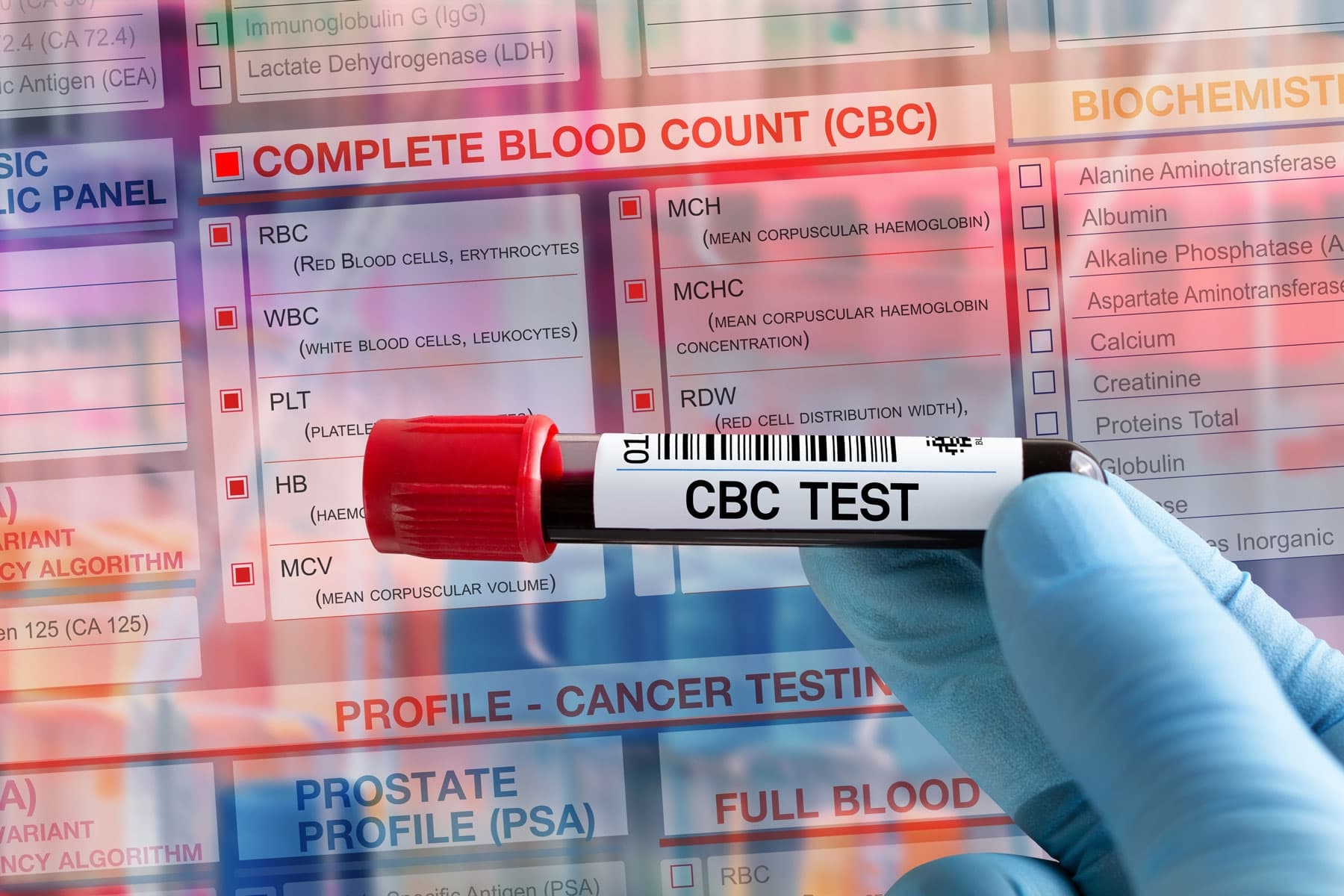
Understanding a complete blood count test
This easy test can help you and your doctor optimize your health and pinpoint the causes behind any symptoms you might be experiencing.


When you’re trying to identify the origin of new symptoms, monitor a chronic condition, or prevent future health problems, a complete blood count (CBC) test is a good starting point. It’s one of the most common tests doctors order, often marking the beginning of a journey to diagnosis and treatment.
The results of a CBC can hint at the causes behind acute problems. They can also reveal markers of inflammation, vascular damage, and decreased blood flow that could indicate a heightened risk of cardiovascular and metabolic diseases. The earlier you catch these warning signs, the more time you have to start lifestyle changes and, if necessary, medications to reverse course.
See how Levels can help improve your biomarkers.
- See where your numbers sit relative to optimal
- Pair the Levels app with a retest panel tailored to your markers
- Reassess to see your progress
Get a free interpretation grounded in Levels biomarker expertise and informed by our dataset of over 1.5 billion health data points.
Upload your labs freeFree lab interpretation
Already have labs?
Get a free interpretation grounded in Levels biomarker expertise and informed by our dataset of over 1.5 billion health data points.
Upload your labs freeCBC results often include a lot of data. Here’s what you need to know about what all those numbers mean.
This information does not constitute medical advice. Talk to your doctor for specific questions about your personal lab results.
Why does blood count matter for health?
Your body runs on blood. About six quarts of blood flow through your body and perform life-sustaining functions. About 45 percent includes red blood cells, white blood cells, and platelets. Red blood cells, the most common type of blood cell, deliver oxygen to the other cells. White blood cells fight infection. Platelets stick together to form clots that patch holes in blood vessels. About 55 percent of your blood is plasma, a straw-colored fluid full of proteins, sugars, and fat particles.
A CBC gives you an accounting of the red blood cells, white blood cells, and platelets in your blood and a glimpse into their functioning. That’s important because problems with your blood can affect the organs it supplies, such as your heart and brain.
When should you get a complete blood count (CBC) test?
Healthcare providers often offer CBC tests as part of routine checkups. They’re cost-effective, offering helpful information for a relatively low price. (Most insurance plans cover a CBC.) Many providers order a CBC with differential, which gives extra detail about your immune health. While a standard CBC includes a count of your white blood cells, a CBC with differential also reveals the concentrations of the different types of white blood cells. All of these cells play different yet complementary roles in protecting you from disease.
Insight about your red blood cells, white blood cells, and platelets can help your doctor diagnose health problems such as anemia, infections, autoimmune diseases, blood disorders, and cancers. The results can also help you and your provider monitor ongoing conditions. If any results are out of range, your doctor might recommend further testing and a repeat CBC in the future.
What is measured in a complete blood count test, and what do the markers tell you?
On a CBC report, you’ll see counts and characteristics for red blood cells, white blood cells, and platelets, along with reference ranges showing normal values. The “normal” range can vary from lab to lab because of differences in testing equipment and methods. What’s normal can also vary by race and sex.
If you’re feeling rundown, your doctor will look closely at your red blood cell count and their characteristics, especially hemoglobin, hematocrit, and mean corpuscular volume. These measures indicate how efficiently your blood carries oxygen through the rest of your body. The most common blood disorder is a low red blood cell count, or anemia. Since this leaves your body without sufficient oxygen, it can cause symptoms ranging from mild fatigue to severe shortness of breath with minimal exertion.
If your doctor suspects you have an infection or inflammatory condition, they will look closely at your platelet and white blood cell counts.
An estimated 10 to 20 percent of CBC test results are abnormal, and not all are cause for panic. While an abnormal result can be the first sign of a serious health problem, such as cancer, liver disease, or kidney disease, it can also be linked to a reversible habit, situation, illness, or injury. The result might even return to normal by your next test. For example, stress, smoking, medication reactions, and even intense exercise can affect CBC results, so be honest with your doctor about your lifestyle.
It’s also essential to track your trends over time. New research suggests that each person has set points for CBC values that account for our unique genetic and environmental factors. A change from your normal might be more telling than a deviation from the lab’s reference range.
Here’s what you should know about each biomarker in a CBC.
Red blood cell count (RBC)
Red blood cells, or erythrocytes, store and carry oxygen from your lungs to your tissues. Oxygen enters red blood cells as they pass through tiny blood vessels in your lungs. Then your heart pumps the oxygen-rich blood throughout your body. Red blood cells unload the oxygen into cells within your tissues, which use the oxygen to make energy. Without enough oxygen, these cells and tissues can function less efficiently and ultimately die.
Clinical normal ranges for RBC differ by sex and may vary from lab to lab:
- Female: 3.80-5.10 Million/uL
- Male: 4.20-5.80 Million/uL
Men tend to have higher red blood cell counts than women because they have more of the hormone testosterone, which promotes the production of red blood cells. People on testosterone replacement therapy also tend to have increased RBC.
A low red blood cell count is known as anemia. Since red blood cells carry oxygen, this condition can cause weakness, shortness of breath, dizziness, a fast or irregular heartbeat, a pounding or whooshing sound in your ears, headaches, cold hands or feet, pale or yellow skin, or chest pain. A low red blood cell count can also be caused by leukemia, malnutrition, multiple myeloma, kidney failure, blood loss, alcohol use disorder, or pregnancy.
A high red blood cell count, also called erythrocytosis or polycythemia, can cause headaches, dizziness, and vision problems. It can signal dehydration, heart disease, lung disease, kidney cancer, sleep apnea, abuse of anabolic steroids, or polycythemia vera, a disease where your bone marrow makes too many red blood cells. Notably, red blood cell counts in people residing at high altitudes may be marginally elevated. Mountainous environments are low in oxygen, so your body produces extra red blood cells to help carry more oxygen to tissues.
Hemoglobin (Hb)
Hemoglobin is an iron-rich protein in red blood cells. Its primary role is binding to oxygen and delivering it to tissues. Then hemoglobin picks up carbon dioxide, a waste product, and carries it back to your lungs so you can breathe it out.
Normal ranges for hemoglobin are:
- For males: 13 to 17 grams per deciliter (g/dL)
- For females: 12 to 16 (g/dL)
Like a low red blood cell count, a low hemoglobin level indicates anemia. Iron deficiency, liver disease, cancer, blood loss from injury, or [thalassemia](https://www.cdc.gov/thalassemia/index.html#:~:text=Thalassemia%20is%20an%20inherited%20(i.e.,part%20of%20red%20blood%20cells.), an inherited blood disorder, can also lower hemoglobin.
High hemoglobin may signal lung disease, heart disease, sleep apnea, or polycythemia vera.
Whether too high or too low, abnormal hemoglobin is linked with an increased risk of dying from cardiovascular disease. One theory is that when you have chronically low hemoglobin, your left ventricle, which pumps oxygen-rich blood, has to work harder and push out more blood so your body gets enough oxygen. Over time, your left ventricle can then thicken and become less efficient, increasing your risk of problems like heart failure and strokes.
And when hemoglobin is high, your blood is too thick, moves too slowly, and contains excess iron that can trigger inflammation. These factors might increase your risk of a blood vessel blockage that causes a heart attack.
Hematocrit (Hct)
Hematocrit is the percentage of red blood cells in your blood. It often trends in the same direction as red blood cell count, but not always. Hematocrit indicates how many red blood cells you have in the context of other blood fluids. For example, a normal red blood cell count with high hematocrit can be a sign of low plasma caused by factors like dehydration or smoking.
Normal ranges for hematocrit are:
- For males: 40 to 52 percent
- For females: 37 to 47 percent
Low hematocrit can signal anemia, bleeding, bone marrow disorders, chronic illness, kidney disease, leukemia, malnutrition, pregnancy, water retention, or low intake of iron, folate, or vitamin B12 or B6. Another cause is hemolysis, an excessive breakdown of red blood cells caused by genetic disorders, infections, medications, toxins, or rare immune system disorders.
High hematocrit can stem from smoking, dehydration, failure of the right side of the heart, kidney tumors, low blood oxygen, congenital heart disease, scarring or thickening of the lungs, or bone marrow diseases such as polycythemia vera. Testosterone replacement therapy can also raise hematocrit.
Mean corpuscular volume (MCV)
Mean corpuscular volume (MCV) is the average size of red blood cells, a metric that can help your doctor pinpoint the cause of anemia or monitor liver disease or vitamin deficiencies. For example, a lack of iron and hemoglobin can stunt the growth of red blood cells, while vitamin deficiencies (particularly folate and B12) can disrupt red blood cell division, causing them to stay oversized, which impairs their functioning. Additionally, chemotherapy drugs, alcohol, and liver problems can affect signaling pathways that result in enlarged red blood cells.
The normal range for mean corpuscular volume is:
- 80 to 98 femtoliters (fL)
Low MCV means your red blood cells are smaller than normal. It can indicate microcytic anemia from iron deficiency or blood disorders.
High MCV, or larger-than-normal red blood cells, can signal macrocytic anemia from folate deficiencies, low vitamin B12, or liver problems. However, about 60 percent of people with high MCV don’t have anemia. High MCV can also be linked to alcohol abuse, thyroid problems, or unexplained causes.
In people without anemia, high MCV is associated with an increased risk of heart problems. One theory is that when red blood cells grow too large, they also deform in a way that impairs blood flow. In people with anemia, blood vessels might expand to let enlarged blood cells pass through. People without anemia might not compensate in the same way.
Lastly, if your hemoglobin and hematocrit levels are low but your MCV is normal, the cause could be normocytic anemia, which often signals early anemia. Chemotherapy is a common cause.
Mean corpuscular hemoglobin (MCH)
Mean corpuscular hemoglobin (MCH) is the average amount of hemoglobin per red blood cell by weight. Like MCV, this test can help you and your doctor narrow in on the underlying cause of anemia. Iron deficiencies can reduce hemoglobin production, while other deficiencies can alter blood cell development and allow excess hemoglobin to accumulate.
The normal range for mean corpuscular hemoglobin is:
- 27 to 33 picograms per red blood cell (pg/cell)
Low MCH can be a sign of hypochromic anemia, or red blood cells that are paler than normal. Hypochromic anemia can develop when your iron stores run low and your body can’t make enough hemoglobin for each new red blood cell. Low MCH can also indicate microcytic anemia, or smaller-than-normal red blood cells. Low iron, blood disorders, and inflammation from kidney disease, liver disease, or cancer can contribute.
High MCH can be a sign of macrocytic anemia, or enlarged red blood cells. Low folate or vitamin B12 intake, or poor absorption of either nutrient, is a common cause, rather than low iron (although low iron can be present at the same time). Alcohol use disorder, thyroid problems, and medication side effects are also linked with macrocytic anemia. Like high MCV, high MCH can also occur without anemia and be linked to an increased risk for heart problems in people without anemia.
Mean corpuscular hemoglobin concentration (MCHC)
Mean corpuscular hemoglobin concentration (MCHC) measures the average concentration of hemoglobin in red blood cells. It factors in both the amount of hemoglobin per red blood cell and the size of your red blood cells. MCHC shows whether each of your red blood cells likely has enough hemoglobin to do its job of carrying oxygen.
The normal range of mean corpuscular hemoglobin concentration is:
- 31.5 to 37 g/dL
Low MCHC, also known as hypochromia, is often caused by iron deficiency anemia. It can also signal thalassemia.
High MCHC, or hyperchromia, can signify misshapen red blood cells. Your doctor might order a peripheral blood smear, a test that involves viewing red blood cells under a microscope, to examine their shape and characteristics in more detail. Changes in the shape of your blood cells could indicate blood disorders, cancers, or problems with your bone marrow, where blood cells are produced.
Red cell distribution width (RDW)
Red cell distribution width (RDW) is the variation in the size of your red blood cells. Red blood cells typically measure about 80 to 100 femtoliters, but they can swell to 150 femtoliters or shrink below 60 femtoliters in certain conditions. A high variation in size can affect how well red blood cells deliver oxygen throughout your body.
RDW is calculated by dividing the standard deviation of the volumes of red blood cells by the MCV, all multiplied by 100. RDW is often used alongside MCV to determine what type of anemia someone has.
The normal range for red cell distribution width is:
- 11.5 to 14.5 percent
Low RDW is uncommon. It means your red blood cells are more similar in size than normal, and it’s usually not a cause for concern.
A high RDW means your blood cells vary in size more than normal. This result could signal a problem with red cell production or survival. Along with various types of anemia, a high RDW can indicate liver disease, heart disease, diabetes, kidney disease, or cancer. Research also links high RDW to an elevated risk of strokes, peripheral artery disease, hypertension, acute coronary syndrome, heart failure, and atrial fibrillation.
White blood cell count (WBC)
A critical part of your immune system, white blood cells fight infection. When you get sick, your body makes more white blood cells to battle bacteria, viruses, and other unwelcome guests. About 1 percent of blood is made up of white blood cells.
The normal range for WBC is:
- 4,000 to 10,800 cells per microliter (cells/μL)
A low WBC, or leukopenia, can be caused by bone marrow disorders, autoimmune diseases, HIV, certain infections, or medications, such as some chemotherapies, pain relievers, psychiatric drugs, and antibiotics.
A high WBC (leukocytosis) can be caused by infections, allergies, tissue damage from injuries or surgery, smoking, stress, medication reactions, and pregnancy. If none of this applies to you, it could indicate leukemia, Hodgkin disease, or an inflammatory disease such as rheumatoid arthritis or inflammatory bowel disease. Over time, a high WBC is linked with an increased risk of heart disease. Researchers say inflammation, a common cause of high WBC, also contributes to atherosclerosis, a narrowing of the arteries that reduces blood flow to the heart.
Neutrophils
Neutrophils are your first line of defense against infections from bacteria, fungi, and other germs. They rush to the site of infection or inflammation, surround the invaders, and spit out germ-killing substances to destroy them. Neutrophils also produce proteins that help tamp down inflammation. When you’re healthy, neutrophils are the most prevalent white blood cells in circulation.
The normal range for neutrophils is:
- 40 to 73 percent of the WBC
You can develop a low neutrophil count (neutropenia) if your neutrophils break down before your bone marrow can make enough new ones. Common causes of neutropenia are autoimmune diseases, infections, an overactive spleen, blood disorders, medication side effects, and deficiencies of nutrients such as vitamin B12, folic acid, iron, or copper. Some genetic conditions can also cause neutropenia.
Your body makes more neutrophils when there’s inflammation to fight. A high neutrophil count (neutrophilia) can signify infections, reactions following surgery, chronic inflammatory diseases, or bone marrow disorders or their treatment. Neutrophilia can also occur after using certain medications or due to heavy exercise, stress, or smoking.
Monocytes
Monocytes, the largest white blood cells, are like members of a well-stocked, well-connected cleaning crew. Monocytes move more slowly than neutrophils, patrolling for germs and heading toward whatever mess they find. When monocytes enter infected or inflamed tissue, they can transform into two new cell types: macrophages and dendritic cells. Macrophages gobble up and digest germs and damaged cells. Dendritic cells enhance your immune response by corralling other cells and proteins to the affected area.
The normal range for monocytes is:
- 0.4 to 10 percent of the WBC
A low monocyte count, also known as monocytopenia, can be caused by blood infection, burn injuries, chemotherapy, HIV, and aplastic anemia (a rare blood disorder).
A high monocyte count, or monocytosis, can also be caused by infections, autoimmune diseases, blood disorders, cardiovascular disease, chronic stress, pregnancy, and some cancers.
Lymphocytes
The smallest white blood cells, lymphocytes come in three varieties: T cells, B cells, and natural killer cells. This trio works in tandem to kill infected cells or cancer cells and produce antibodies to recognize and neutralize threats faster next time.
The normal range for lymphocytes is:
- 19 to 48 percent of the WBC
A temporary low lymphocyte count, or lymphocytopenia, is common after viral and bacterial infections, sepsis, stress, or corticosteroid treatment. However, chronic lymphocytopenia can be a sign of cancers such as lymphoma or sarcoidosis, autoimmune diseases such as lupus or rheumatoid arthritis, low protein intake, a reaction to chemotherapy or immunosuppressive medications, or some viral infections such as HIV or Epstein-Barr virus.
Some infections and illnesses, such as hepatitis, syphilis, mononucleosis, tuberculosis, HIV/AIDs, whooping cough, toxoplasmosis, or cytomegalovirus, can lead to a high lymphocyte count, or lymphocytosis. A high lymphocyte count can also be a sign of an underactive thyroid or blood cancers such as lymphoma or leukemia.
Eosinophils
Eosinophils are white blood cells that mobilize against triggers of allergies and asthma, as well as infections, tissue injuries, and tumors. They make and release at least 35 proteins that induce or moderate inflammation, recruit other white blood cells, and stimulate cell growth.
The normal range for eosinophils is:
- Up to 7 percent of the WBC
Conditions that affect eosinophils are rare. A low eosinophil count, or eosinopenia, is linked with sepsis and Cushing’s syndrome.
A high eosinophil count, or eosinophilia, can be caused by allergies, asthma, medication reactions, parasitic infections, autoimmune diseases, and blood cancers. Less commonly, eosinophils can cause excess inflammation in your bladder, connective tissue, lungs, or gastrointestinal tract.
Basophils
Basophils play a leading role in allergic reactions. When you eat, breathe in, or touch an allergen, basophils migrate to your gut, lungs, or skin to release histamine, spurring inflammation. Basophils also boost your defenses against parasitic infections and release the blood thinner heparin to reduce clotting.
The normal range for basophils is:
- Up to 2 percent of the WBC
A low basophil count, or basopenia, can be a sign of high thyroid levels, severe allergic reactions, or infections. Basopenia is also common in people with chronic hives.
A high basophil count, or basophilia, can be caused by hypothyroidism, blood cancers, infections, or autoimmune diseases.
Immature granulocytes
Granulocytes are white blood cells with small, protein-containing particles called granules inside. Basophils, eosinophils, and neutrophils belong to this category. As the name implies, immature granulocytes aren’t fully developed. They can travel from your bone marrow to your bloodstream early. Pregnant women and newborns can have higher levels that typically aren’t cause for concern.
The normal range for immature granulocytes is:
- Ages 10+: less than 0.90 percent
- Ages <10: less than 0.30 percent
Most healthy people don’t have detectable levels of immature granulocytes in their blood. In adults, a high count (granulocytosis) is often caused by pregnancy, blood cancers, use of glucocorticoids or chemotherapy, or severe infections.
Platelet count
Platelets are tiny, disc-shaped pieces of cells that originate in bone marrow. They flock to wounds and clump together to form clots, sealing the injured area so it can heal without further damage. Platelets can also interact with other immune cells and become overactivated in some inflammatory diseases, possibly contributing to joint inflammation in arthritis and damage to the central nervous system in multiple sclerosis.
The normal range for platelet count is:
- 150,000 to 400,000 per microliter (μL)
A low platelet count (thrombocytopenia) can be caused by bacterial or viral infections, blood disorders, autoimmune diseases, cancers, cancer treatments, an enlarged spleen, pregnancy, or surgery.
A high platelet count can be thrombocytosis or thrombocythemia. Thrombocytosis is more common. It can happen temporarily after a serious blood clot, an infection or inflammation, or drinking too much alcohol and having low levels of vitamin B12 or folate (excessive alcohol intake can decrease platelets). Chronic thrombocytosis can be caused by anemia, cancer, inflammatory or infectious diseases, or surgery to remove your spleen. Thrombocythemia is uncommon. It happens when your body makes too many platelets, often due to a genetic mutation that affects bone marrow, and your platelets don’t work correctly.
What’s next if complete blood count results are out of range?
Talk with your doctor about your CBC results. If anything is out of range, the next steps depend on the specific markers, your other symptoms, and your health history. If your CBC is abnormal, additional lab tests may need to be ordered based on which specific values are abnormal. Common follow-up tests may include iron studies, vitamin B12 and folate levels, a peripheral blood smear, ESR, CRP, and JAK2 mutation analysis.

Test your blood count levels
Levels members can test dozens of markers, including a CBC, through Levels Labs, and then use the Levels app to help improve levels by logging meals and setting exercise goals. Click here to learn more about Levels.