How to reduce saturated fat in your diet
Do you need to trim how much fat you're getting? This guide spells out how much saturated fat you actually need, saturated fat's effect on cholesterol, and simple swaps to make.

There's always been some debate around saturated fat, and the recent 2025-2030 Dietary Guidelines have reignited this conversation. The new guidelines maintain the same limit of 10 percent of daily calories from saturated fat. Still, they diverge from previous guidelines by prioritizing more whole foods that are rich in saturated fat, such as full-fat dairy and red meat, as part of a healthy diet. This is tricky, because most Americans—as much as 80%—get more than the recommended daily amount to manage cholesterol. Strong scientific evidence shows that too much saturated fat can raise LDL cholesterol, the type that may create harmful fatty buildup in arteries in some people.
Do you need to cut back? The following guide will help you understand how much saturated fat you should consume, why not all saturated fat is the same, how it affects your cholesterol, and the simple swaps you can make for your well-being.
Get more deep-dives like this delivered to your inbox
Sign up to make sure you see our latest articles, as well as recipes and discounts
What saturated fat is—and why it affects cholesterol
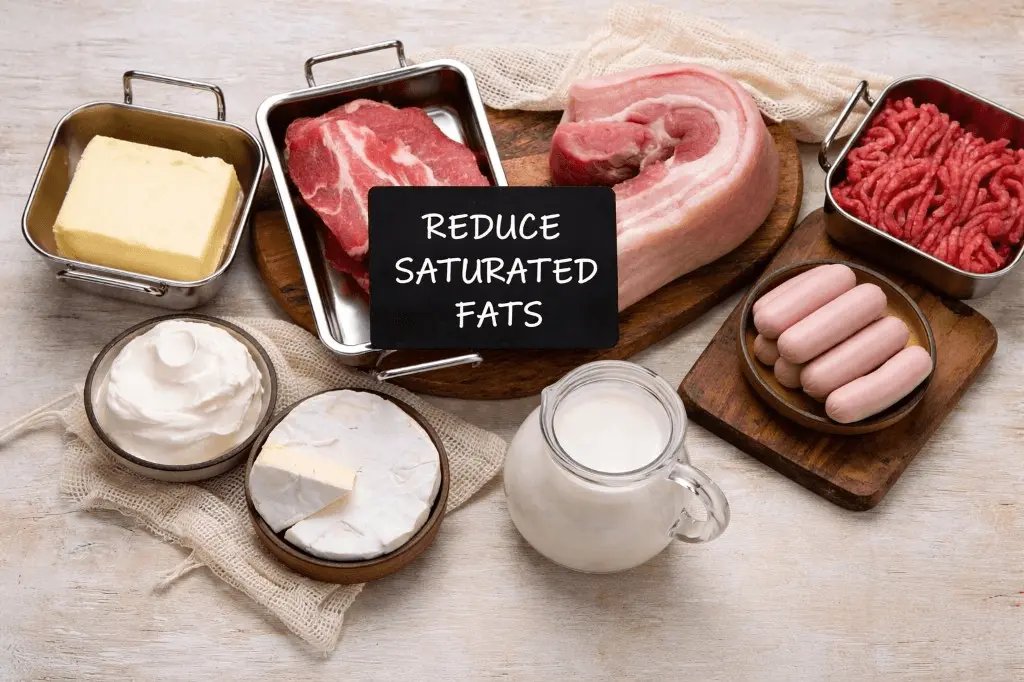
Saturated fat is the type of fat that's usually solid at room temperature. It's made up of tightly packed carbon atoms connected by single bonds. Unsaturated fat, on the other hand, remains liquid at room temperature. The main sources of saturated fat are animal-derived foods, such as meat (think: beef, pork, and poultry, especially in the skin), and dairy products like butter, cheese, and cream. Tropical fats, including coconut, palm, and palm kernel oils, are also high in saturated fat.
In small amounts, saturated fat isn't harmful. But decades of research have established that too much saturated fat can raise LDL cholesterol. It suppresses the number and activity of receptors on liver cells, which keeps the liver from effectively clearing excess LDL cholesterol from the bloodstream.
However, there are nuances. Saturated fat's effect on cholesterol can depend on the type of fat and the food you're eating. There are 10 main kinds of saturated fat, categorized as short-, medium-, and long-chain fatty acids. Research suggests that lauric, myristic, and palmitic acids tend to raise LDL more than stearic acid, though these fatty acids differ in chain length and food sources.
The other nutrients in the food can also play a big role. For example, the saturated fat in whole yogurt is packaged with protein, probiotics, calcium, potassium, and B vitamins, which benefit metabolic health. This may explain why full-fat dairy doesn't appear to raise heart disease and stroke risk—observational studies generally do not show higher CVD risk from full-fat dairy, and one recent prospective cohort found lower CAC with higher whole-fat dairy intake, though it didn't establish that the relationship was causal. But ultra-processed foods like hot dogs, cookies, and fast food typically contain extra sodium and sugar with little nutritional value.
Finally, for reasons we still don't fully understand, certain people seem to have their cholesterol less affected by saturated fat than most.
Even factoring in these caveats, most cardiologists agree that, as a whole, reducing excessive saturated fat intake is a useful intervention when you're trying to lower LDL cholesterol.
How much saturated fat is recommended?
The new Dietary Guidelines for Americans advises limiting your intake to 10 percent of your daily calories, especially from processed foods. To break it down: If you get 2,000 calories a day, no more than 200 calories should come from saturated fat. That's about 22 grams of saturated fat. The American Heart Association goes a step further, recommending that saturated fat make up less than 6 percent of your daily calories. For the 2,000-calorie budget, that's under 120 calories and 13 grams of saturated fat.
This amount can add up quickly. A tablespoon of butter contains 7 grams of saturated fat, while a 1-ounce slice of cheese delivers 5.5 grams. Add an egg (1.6 grams each) and a side of bacon (7 grams for two slices), and you've already surpassed the daily quota at breakfast alone.
But remember, these guidelines are for a generic population. What's right for you depends on lipid levels, cardiovascular risk, lifestyle, genetics, and more. While there's little danger in cutting saturated fat, it's always worth working with your doctor to make sure you understand your cholesterol and cardiovascular health.
Where saturated fat hides—and how to spot it
It's obvious that a greasy double-bacon cheeseburger is loaded with saturated fat. But most of us get the majority of our saturated fat from everyday foods like cheese, whole milk, and fatty cuts of meat. One analysis found that the leading sources of saturated fat in the American diet include cheese, pizza, ice cream, and eggs.
Another main culprit of saturated fat, and perhaps the most harmful, is highly processed foods. These include processed meats such as bacon, sausages, and hot dogs, as well as many restaurant and fast-food meals. Snacks, such as chips, crackers, and baked goods, are often made with palm oils, so they can contain a significant amount of saturated fat.
When you're shopping, scan the Nutrition Facts panel for the saturated fat, which is listed under total fat. Products labeled "low in saturated fat" contain 1 gram of saturated fat per serving or, if it's a main dish, no more than 10 percent of calories from saturated fat. But double-check the serving size before you buy. You may easily eat two portions in one sitting, doubling your saturated fat intake.
Easy dietary swaps to reduce saturated fat
If you're cutting saturated fat, you're likely replacing those calories with something else—and what you replace them with matters a lot for your health.
The best bet: Swap foods high in saturated fat for those rich in healthier unsaturated fats, especially polyunsaturated fats. Scientists from the American Heart Association reviewed the existing research and concluded that making that trade can reduce the risk for heart disease by as much as 30 percent. Here are a few examples of swaps that can add up:
- Choose Canadian bacon instead of regular bacon to save 6.5 grams of saturated fat.
- Cook with olive oil (2 grams per tablespoon) instead of butter (7 grams per pat).
- Avocado oil is a good alternative to coconut oil for cooking and baking. It also delivers 2 grams per tablespoon, compared with coconut oil's 11 grams per tablespoon.
- Opt for lean poultry or fish high in omega-3 fats instead of fatty red meat cuts, such as rib-eyes and porterhouses. Roughly three ounces (100 grams) of skinless chicken breast contains 1 gram of saturated fat, versus the same amount of porterhouse steak, which packs 7 grams.
- Snack on nuts and seeds instead of potato chips and other processed foods high in saturated fat. Although nuts are also high in fat, they contain healthier unsaturated fats that help fend off hunger without raising cholesterol. They're also a good source of vitamins, antioxidants, and fiber.
On the other hand, replacing saturated fat with refined carbohydrates may actually worsen your heart health. One observational study showed that replacing 5 percent of calories from saturated fat with high-glycemic-index carbohydrates (likely to spike blood sugar) increased the risk of heart attack. On the other hand, trading them for lower-glycemic index carbs didn't impact the odds of a heart attack.
Additional lifestyle changes to help lower cholesterol
Along with keeping your saturated fat intake in check, the following healthy habits can lower your cholesterol. Incorporate them into your daily routine.
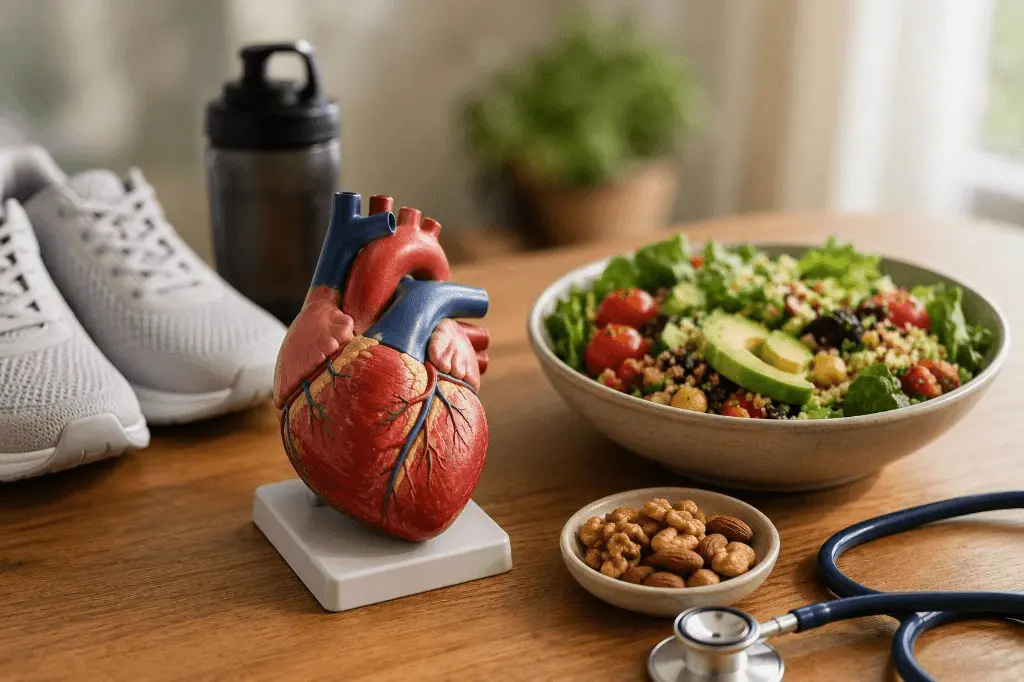
1. Exercise. Regular aerobic activity improves LDL cholesterol and overall lipid metabolism. It also raises HDL cholesterol, the "good" kind that carries LDL cholesterol back to the liver for removal. The American Heart Association advises getting 150 minutes of moderate-intensity exercise—or 75 minutes of vigorous—each week, plus two days of strength training. If you're just starting, begin with a 5- or 10-minute walk a few times a day, and then build up.
2. Increase soluble fiber. Soluble fiber dissolves into a gel-like substance in your digestive tract, slowing down digestion. As it passes through, it binds to LDL cholesterol and clears it from the body. Research shows that every extra 5 to 10 grams of soluble fiber you consume reduces LDL cholesterol by about 5–11 mg/dL. Whole grains, beans, chia seeds, and psyllium powder are high in soluble fiber. High-fiber fruits, like bananas and apples, and vegetables, including peas and carrots, are other sources.
3. Maintain a healthy weight. Even shedding a modest amount of weight—5 to 10 percent of your body weight—can significantly reduce your LDL and total cholesterol. They also lower triglycerides.
4. Limit added sugar and refined carbs. Both of these raise triglycerides and LDL cholesterol. They can also lower good HDL cholesterol.
5. Stop smoking. Smokers are two to four times as likely to die from heart disease as non-smokers. That's partly because it can reduce the HDL cholesterol that helps to remove excess LDL cholesterol. Kicking your cigarette habit can improve HDL and vascular function.
Conclusion
Although the headlines about saturated fat are conflicting, the takeaway is clear: Most Americans eat too much saturated fat, especially from processed foods and restaurant meals. This can raise cholesterol, and excess LDL cholesterol contributes to the buildup that can lead to heart attacks and strokes. To protect your metabolic health, replace foods high in saturated fat with healthier options, such as those that are high in fiber, protein, and unsaturated fat. By making smart changes in your diet, you can protect your health without sacrificing your satisfaction.

Want to track your saturated fat intake?
Levels helps you see how much saturated fat you're eating through macro tracking and food logging, so you can stay within your goals and make smarter swaps. Levels members get personalized guidance on diet and lifestyle, plus comprehensive lab testing to monitor cholesterol and other metabolic markers. Click here to get started with Levels.