The 2026 Levels Guide to blood tests for pancreatic health
Understand pancreatic enzyme tests, metabolic markers, tumor antigens, and what out-of-range results can mean alongside symptoms and imaging.

The pancreas is a vital metabolic organ situated in the abdomen (between the stomach and spine) with two key functions: producing digestive enzymes that help you break down food and absorb nutrients, and releasing hormones that keep blood sugar in balance.
Problems with the pancreas can disrupt digestion, metabolism, and overall well-being. Blood tests are an important window into how well the pancreas is functioning. They may support evaluation when symptoms, imaging findings, or high-risk family or genetic history raise concern. Still, they do not reliably screen for pancreatic cancer or chronic pancreatitis on their own.
See how Levels can help improve your biomarkers.
- See where your numbers sit relative to optimal
- Pair the Levels app with a retest panel tailored to your markers
- Reassess to see your progress
Get a free interpretation grounded in Levels biomarker expertise and informed by our dataset of over 1.5 billion health data points.
Upload your labs freeFree lab interpretation
Already have labs?
Get a free interpretation grounded in Levels biomarker expertise and informed by our dataset of over 1.5 billion health data points.
Upload your labs freeKeep in mind: Interpreting lab tests is complex, and this guide offers only general information. Review your results with a healthcare professional who can take into account your full medical history.
Why Pancreatic Function Tests Matter for Health
The pancreas is the primary organ in the body that functions as both an exocrine and an endocrine organ: it produces vital digestive enzymes and hormones that regulate blood sugar, so its proper function is vital for metabolic health. Here’s a closer look at these two main roles:
- Pancreatic acinar cells produce digestive enzymes known as amylases, lipases, and proteases that are released into the small intestine and help break down carbohydrates, fats, and proteins, respectively. These enzymes are necessary for proper nutrient absorption.
- Pancreatic endocrine cells produce hormones that raise or lower blood sugar. When blood sugar is too high, beta cells produce insulin, which transports glucose from the bloodstream into cells where it can be used or stored; when blood sugar is too low, alpha cells produce glucagon, which helps the liver release glucose into the bloodstream.
Assessing pancreatic function, particularly if you have abdominal pain, certain GI symptoms, or blood sugar dysregulation, may help efficiently diagnose acute or chronic pancreatitis (inflammation of the pancreas), enzyme insufficiencies, and diabetes.
Additionally, pancreatic cancer is notoriously difficult to diagnose until late stages (there are few early symptoms), so in high-risk individuals, specialized surveillance programs may use imaging, family/genetic risk assessment, and occasionally adjunctive labs. However, blood markers alone are not reliable early screening tools.
When Should You Consider Blood Tests for Pancreatic Health?
Certain lab tests that provide information about pancreatic health, like fasting blood glucose, are done annually as part of your regular annual bloodwork. But most are ordered based on specific symptoms or a family history of pancreatic disease. Testing may be particularly important in these situations:
- Digestive symptoms: Moderate to severe abdominal pain (that may radiate to your back), nausea, vomiting, rapid heart rate, and fever may all indicate acute pancreatitis; while persistent abdominal pain, indigestion, pain after eating, steatorrhea (fatty, oily stools), and unexplained weight loss may suggest chronic pancreatitis and a reduced production of digestive enzymes that break down food and absorb nutrients.
- History of alcohol consumption and gallstones: The two main causes of pancreatitis are heavy alcohol consumption and gallstones, which can block the flow of enzymes out of the pancreas. A history of these conditions, plus abdominal pain, may warrant lab testing.
- Severely elevated triglycerides: After heavy alcohol intake and gallstones, triglyceride levels over 1,000 mg/dl are the third leading cause of acute pancreatitis.
- Unexplained weight loss and fat-soluble vitamin deficiencies: These may indicate reduced pancreatic enzyme production (resulting in less nutrient absorption) caused by chronic pancreatitis or another condition that damages acinar cells.
- Worsening or unexplained blood sugar changes: Unexplained blood glucose fluctuations or a recent diabetes diagnosis may indicate worsening pancreatic endocrine (i.e., hormonal) function. Important to note: Damage to pancreatic tissue caused by chronic pancreatitis and pancreatic cancer may cause diabetes or worsen diabetes control; and, on the flip side, diabetes increases risk for these conditions.
- Excessive thirst, frequent urination, fatigue, excessive hunger: These symptoms, plus others like slow-healing wounds, numb hands and feet, and unexplained weight loss, could indicate undiagnosed Type 1 or Type 2 diabetes, in which the pancreas is no longer producing sufficient insulin, the body is not using that insulin effectively, or both. With type 1 diabetes, these symptoms tend to come on more rapidly compared to type 2.
- Family history of pancreatic disease: Family history of pancreatic cancer, hereditary pancreatitis, Peutz–Jeghers syndrome, and known genetic mutations that can increase risk of these conditions (e.g., CDKN2A and PRSS1) may qualify you for more advanced pancreatic lab tests and imaging studies. Screening may begin between the ages of 35 and 50, depending on the condition, or 10 years before the age of onset in your family.
- Taking certain medications: Certain antibiotics, blood pressure medications, diuretics, steroids, chemotherapy agents, HIV medications, and other drugs have been associated with drug-induced pancreatitis. If you develop pancreatitis symptoms while taking a new medication, your doctor may order various pancreatic labs.
What Do Blood Test Markers Tell You About Pancreatic Health?
No single test can tell you everything you need to know about your pancreas, but different markers reflect distinct aspects of pancreatic health and function. Depending on your symptoms and your family history, your doctor may order tests to measure levels of digestive enzymes, metabolic markers (blood glucose, hemoglobin A1C, insulin, C-peptide), inflammatory markers, fat-soluble vitamins, and tumor markers, which can help indicate:
- Acute pancreatitis, an intense and painful bout of temporary pancreatic inflammation that causes digestive enzymes to damage pancreatic tissue and leak into circulation.
- Chronic pancreatitis, ongoing inflammation, and progressive damage resulting in permanently reduced enzyme and hormone production.
- Reduced pancreatic endocrine function, i.e., reduced ability to produce blood sugar-regulating hormones, which can lead to diabetes.
- Reduced pancreatic exocrine function, i.e, reduced ability to produce adequate digestive enzymes necessary for digesting and absorbing nutrients.
- Possible pancreatic malignancies or cancerous tumors. Tumor markers should always be interpreted along with imaging studies and/or a tumor biopsy.
Bottom line: To comprehensively assess pancreatic health, your healthcare provider must evaluate multiple biomarkers along with your symptoms, medical history, and family history.
Pancreatic Enzyme Markers
Lipase
What it is: Lipase is a digestive enzyme produced primarily by the pancreatic acinar cells. It’s released into the small intestines via the pancreatic duct, where it helps digest fats and aids in the absorption of fat-soluble vitamins (A, D, E, K).
How it relates to health: Lipase primarily enters the GI tract, and only trace amounts should enter the bloodstream, except in cases of damage and inflammation to the pancreatic acinar cells. When these cells are damaged (due to excessive alcohol consumption, a gallstone blocking the flow of enzymes, certain medications, or other factors), pancreatic enzymes leak into the bloodstream.
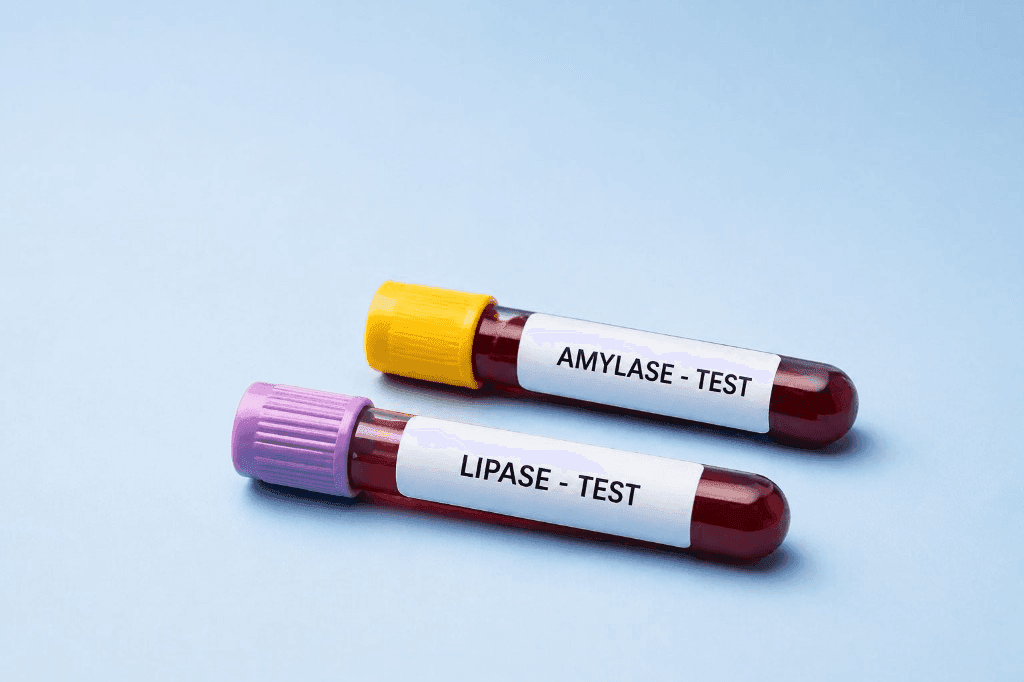
Both lipase and amylase are primary biomarkers used to diagnose acute pancreatitis, alongside symptoms and imaging findings. But compared with amylase, lipase is more specific to pancreatic function and remains elevated in the blood for longer (8-14 days) after acute pancreatic injury, making it the preferred test.
Interpreting lipase levels:
- Standard range: 0-160 U/L (ranges vary by laboratory)
- If elevated: Lipase levels at least three times the normal limit strongly suggest acute pancreatitis when coupled with abdominal pain or positive imaging findings. Levels may also be higher than normal with pancreatic cancer, bowel obstruction, celiac disease, kidney disease, gallstones, alcoholism, diabetes, and certain medications.
- If low: Low levels may be normal. Or they could indicate permanent damage to acinar cells from an ongoing condition such as chronic pancreatitis or cystic fibrosis, resulting in reduced production of lipase and other enzymes. Other tests would be needed to diagnose exocrine pancreatic insufficiency (i.e., inadequate enzyme production).
Amylase
What it is: Amylase is a digestive enzyme produced primarily by the pancreatic acinar cells (and, to a lesser extent, by the salivary glands in the mouth). It’s released into the small intestines via the pancreatic duct, where it helps digest starches or carbohydrates.
How it relates to health: Similar to lipase, pancreatic amylase is only released into the bloodstream in significant quantities when the pancreas is damaged or inflamed. However, levels of amylase do not stay elevated as long as lipase, making it less useful if testing is delayed. Still, it is considered a primary biomarker for acute pancreatitis.
Interpreting amylase levels:
- Standard range: 40-140 U/L (ranges vary by laboratory)
- If elevated: Amylase levels at least three times the normal limit suggest acute pancreatitis when coupled with abdominal pain or positive imaging findings. Levels may also be elevated with cancers (pancreatic, ovarian, lung), bowel obstruction, pancreatic duct obstruction, gallbladder inflammation, infection of salivary glands, kidney disease, eating disorders (anorexia or bulimia), and certain medications.
- If low: Low levels may suggest permanent damage to the pancreatic acinar cells, resulting in decreased production of amylase and other enzymes. This can be caused by ongoing conditions like chronic pancreatitis and cystic fibrosis. Levels may also be low among smokers and people with diabetes and obesity.
Metabolism Markers
Fasting Blood Glucose
What it is: This is a measurement of glucose (sugar) levels in blood after an overnight fast, or a period of at least 8 hours without any food or beverages other than water.
How it relates to health: A fasting blood glucose test helps reveal your current state of metabolic health. It may reflect the ability of pancreatic beta cells to produce the appropriate amounts of insulin, and/or it could reflect insulin sensitivity (i.e., how well someone’s cells respond to insulin and take up sugar; if you have low insulin sensitivity, more glucose remains in your blood for longer).
It’s used along with other metabolic markers to help diagnose prediabetes (a relatively early state of insulin resistance), type 2 diabetes (a more severe state of insulin resistance and relative insulin deficiency, caused by a combination of diet, lifestyle, and genetics), or type 1 diabetes (autoimmune-triggered destruction of pancreatic beta cells, leading to a lack of all insulin production), and it may help identify other pancreatic abnormalities.
Important context: Other health conditions or procedures that damage insulin-producing beta cells (e.g., chronic pancreatitis, pancreatic cancer, partial pancreas removal) can interfere with blood sugar regulation and promote diabetes (specifically, a form called Type 3c diabetes). In fact, many people with chronic pancreatitis will develop this form of diabetes. Diabetes and pancreatic disease have a bidirectional relationship: long-standing diabetes is associated with higher pancreatic cancer risk, while pancreatic cancer or chronic pancreatitis can also cause new or worsening diabetes.
Interpreting fasting blood glucose levels:
- Standard range: 70-99 mg/dL (100-125 mg/dL suggests prediabetes and ≥126 mg/dl suggests diabetes)
- If elevated: This may indicate insulin resistance, diabetes, or impaired insulin production from damage to the pancreatic beta cells (caused by conditions like chronic pancreatitis, pancreatic cancer, cystic fibrosis, or hemochromatosis), which may eventually lead to diabetes. Some research suggests new onset diabetes after age 50 or sudden worsening of blood sugar control may also be an early sign of pancreatic cancer.
- If low: Low fasting glucose is often transient and may occur after a prolonged fast, or if you’ve been exercising in a fasted state—both of which can deplete the stores of glycogen that would normally be used to keep blood sugar in a healthy range. While less common, low blood glucose may also be caused by excessive release of insulin from conditions like insulinomas, pancreatic tumors that are typically non-cancerous. Adrenal insufficiency (characterized by low levels of the glucose-raising hormone cortisol) and certain medications can also result in low fasting blood glucose.
Hemoglobin A1c (HbA1c)
What it is: HbA1C measures the amount of glucose that’s stuck to a protein called hemoglobin on your red blood cells, and it reflects average blood glucose levels over the past 2-3 months.
How it relates to health: An HbA1C test provides a more comprehensive, long-term picture of someone’s blood sugar control compared to a fasting glucose test (and it’s usually ordered if your fasting glucose is elevated). As such, it’s better for assessing longer-term blood sugar control and diagnosing prediabetes or diabetes.
Interpreting HbA1C levels:
- Standard range: Below 5.7% is considered normal (5.7-6.4% indicates prediabetes and 6.5% or higher indicates diabetes)
- If elevated: An elevated HbA1C indicates chronic hyperglycemia, which can be caused by the same things that raise fasting blood glucose—insulin resistance, diabetes, or impaired insulin production caused by damage to pancreatic beta cells. Compared to an HbA1C in the normal range, levels in the diabetes range (greater than 6.5) in one study were associated with an 8-fold greater risk of being diagnosed with pancreatic cancer over 12 months. But keep in mind, chronically high blood sugar could be a cause or consequence of conditions like pancreatic cancer and chronic pancreatitis, and so far, the research only shows association.
- If low: Low A1C levels are less common. Some experts even recommend values less than 5.0-5.2% for optimal metabolic health. But if your A1C is below this range or accompanied by symptoms such as shakiness, sweating, dizziness, confusion, or a racing heart, it could indicate hypoglycemic episodes (low blood sugar). Insulinomas, adrenal insufficiency, and certain medications may cause hypoglycemia.
Fasting Insulin
What it is: Insulin is a hormone produced by pancreatic beta cells that, among many other things, regulates blood sugar. It moves excess glucose from the bloodstream into your cells, where it’s used for fuel or stored. While some insulin is always circulating in the bloodstream even in the fasted state, it’s released in larger bursts when blood sugar rises after eating carbohydrates.
How it relates to health: Fasting insulin is a key marker of pancreatic endocrine function. Falling outside the reference range can reveal two big things: How well your pancreatic beta cells are working or how insulin resistant your body’s cells are (e.g., very low levels may indicate beta-cell damage that’s causing underproduction of insulin; while high levels may indicate that your pancreas is overproducing insulin to compensate for insulin resistant cells). This test provides important context for interpreting your fasting blood sugar or HbA1C levels.
Interpreting fasting insulin levels:
- Standard range: 2-25 μIU/mL (ranges vary by laboratory, and some experts suggest that optimal levels fall somewhere between 2 and 10 μIU/mL)
- If elevated: If fasting insulin is elevated and your fasting blood sugar or HbA1C are normal to elevated, it may indicate insulin resistance, which could eventually progress to Type 2 diabetes. If fasting insulin is elevated and blood sugar is low, it could indicate excessive release of insulin from an insulinoma, a non-cancerous pancreatic tumor.
- If low: If fasting insulin levels are low and your fasting blood glucose or A1C are high, it could mean your pancreas is underproducing insulin. This could be caused by conditions that damage or destroy beta cells, such as Type 1 diabetes (in which a person’s immune system destroys its own beta cells and insulin is no longer produced), chronic pancreatitis, or pancreatic cancer.
C-peptide
What it is: C-peptide is a protein fragment that is released by the pancreas as a byproduct of insulin production. More specifically, proinsulin (inactive insulin) is cleaved into C-peptide and insulin, and the pancreas makes roughly equal amounts of both.
How it relates to health: Like a fasting insulin test, a C-peptide test can reveal how much insulin the body is producing on its own (i.e., endogenous insulin production). But, because insulin is cleared by the body more rapidly than C-peptide, this protein fragment is considered a more stable marker of endogenous insulin production than insulin itself. The reasons for high or low C-peptide levels are the same as those for high or low fasting insulin levels.
Interpreting C-peptide levels:
- Standard range: 0.3-3.3 ng/mL (ranges vary by laboratory)
- If elevated: If C-peptide is elevated and fasting blood glucose or HbA1C are normal to elevated, this may indicate insulin resistance. If C-peptide is elevated and those other markers are low, this could indicate excessive insulin secretion from an insulinoma.
- If low: Low C-peptide, like low insulin levels, suggests that pancreatic beta cells are damaged and not secreting adequate insulin, which could result from conditions such as Type 1 diabetes, chronic pancreatitis, or pancreatic cancer.
Pancreatic Cancer Markers
CA 19-9 (Cancer Antigen 19-9)
What it is: CA 19-9 is a protein released by some pancreatic cancer cells. It may also be released by cells that are affected by a range of other cancerous and non-cancerous conditions.
How it relates to health: CA 19-9 is a common tumor marker for pancreatic ductal adenocarcinoma and intraductal papillary mucinous neoplasm—types of pancreatic cancer. But high levels of this protein alone aren’t enough to diagnose these conditions. Typically, this test is only ordered by a doctor if a patient is exhibiting signs or symptoms of pancreatic cancer, if they have a strong family history of the disease, or if they have another health condition like chronic pancreatitis that increases risk of pancreatic cancer. It should always be interpreted alongside other relevant labs and imaging tests. In people with known pancreatic cancer, CA 19-9 levels may also be used to assess how well treatment is working.
Interpreting CA 19-9 levels:
- Standard range: 0-37 U/mL (ranges vary by laboratory)
- If elevated: This may suggest pancreatic cancer, but not always. CA 19-9 levels may also be elevated in other cancers (e.g., thyroid, liver, salivary gland, lung) and in conditions such as pancreatitis, gallstones, bile duct blockages, diabetes, and liver disease.
- If normal: This does not rule out pancreatic cancer. Levels of CA 19-9 and other tumor markers are not elevated in everyone with this disease.
CEA (Carcinoembryonic Antigen)
What it is: CEA is a protein released by some pancreatic cancer cells. Like CA 19-9, it may also be released by cells that are affected by other cancerous and non-cancerous conditions.
How it relates to health: CEA is a tumor marker for various cancers. It is less specific to pancreatic cancer compared to CA 19-9, so it’s not used as often to evaluate pancreatic health. Still, it can help diagnose pancreatic cancer or assess how well treatment is working when interpreted alongside other relevant labs and imaging tests.
Interpreting CEA levels:
- Standard range: 0-2.5 ng/mL for non-smokers; 0-5 ng/mL for smokers (ranges vary by laboratory)
- If elevated: This may suggest pancreatic cancer, but not always. CEA levels may also be elevated with other cancers (e.g., colorectal, breast, lung, thyroid, urinary tract), smoking, pancreatitis, inflammatory bowel diseases, cirrhosis, and gallbladder issues.
- If normal: This does not rule out pancreatic cancer. Levels of CEA and other tumor markers are not elevated in everyone with this disease.
Nutritional and Inflammatory Markers
Vitamin D
What it is: Vitamin D is a fat-soluble vitamin. Along with other fat-soluble vitamins (A, E, and K), it is absorbed in the small intestines with the help of pancreatic digestive enzymes.
How it relates to health: People with pancreatic disorders are frequently deficient in vitamin D due to fat malabsorption. Normally, pancreatic acinar cells secrete digestive enzymes, including lipase, which helps break down and absorb fats and fat-soluble nutrients. When these cells are damaged, enzyme insufficiencies and nutrient deficiencies may result. Having fatty, greasy stools, abdominal cramping, and diarrhea may suggest insufficient levels of digestive enzymes.
Interpreting vitamin D levels:
- Standard range: 30-50 ng/mL (ranges vary by laboratory)
- If low: This may suggest fat malabsorption due to pancreatic enzyme insufficiency (also called exocrine pancreatic insufficiency, or EPI), especially if coupled with GI symptoms. The main cause of EPI is chronic pancreatitis, but it may also be caused by pancreatic cancer, celiac disease, inflammatory bowel disease, diabetes, or weight loss surgeries.
- If elevated: This is rarely related to pancreatic issues. Usually, elevated vitamin D levels are from excessive vitamin D supplementation.
CRP (C-Reactive Protein)
What it is: C-reactive protein (CRP) is a protein produced by the liver in response to inflammation from a variety of potential causes.
How it relates to health: CRP is a non-specific marker of inflammation (i.e., it can detect inflammation but can’t identify its exact cause or location), so it must always be interpreted alongside a person’s symptoms and other relevant labs. Research suggests it may be useful for predicting the severity of acute pancreatitis or the survival of patients with pancreatic cancer.
Interpreting CRP levels:
- Standard range: Reference intervals often fall below 0.3 to 0.9 mg/dL (NIH Bookshelf, Cleveland Clinic); ranges vary by laboratory
- If elevated: This suggests acute or chronic inflammation that could be related to pancreatitis if other symptoms and diagnostic criteria are present. CRP may also be elevated with conditions such as diabetes, obesity, autoimmune disorders, infections, and trauma.
- If normal: Normal values do not rule out pancreatic disease. For example, some people with pancreatic cancer have CRP levels less than 0.3 to 0.5 mg/dL. However, these lower levels are associated with longer survival.
What's Next If Your Pancreatic Blood Test Results Are Out of Range?
In some cases, abnormal labs indicate a clear-cut problem: If amylase or lipase levels are three times the normal limit coupled with severe abdominal pain, this strongly suggests acute pancreatitis. In this case, you may be hospitalized, and treatment may include IV fluids, electrolyte replacement, and a temporary low-fat, soft, or liquid diet. Imaging studies may also be ordered to determine the cause. If you have symptoms of pancreatitis but your enzymes aren’t elevated, imaging studies, such as a CT scan, may be performed to confirm the diagnosis.
Other abnormal labs aren’t always as easy to interpret. So always consult with your doctor about out-of-range test results. They will look at your full clinical picture, including labs, physical symptoms, lifestyle habits, and family history, and make appropriate recommendations.
Depending on what labs are out-of-range, your provider may start by asking you about your current medication use (certain antibiotics, GLP-1s, diuretics, and other drugs are linked to pancreatitis), alcohol and drug use (high alcohol intake and, in rare cases, cannabis are linked to pancreatitis), history of gallstones (a main contributor to pancreatitis), recent illnesses like a viral infection (which can temporarily raise CRP and fasting blood glucose levels), bowel movements (fatty stools may suggest fat malabsorption from low enzyme production), diet and physical activity levels (which affect fasting blood sugar, HbA1c, and diabetes risk), family history of pancreatic cancer and pancreatitis, and any recent abdominal trauma.
Based on your responses, your doctor may repeat labs to rule out temporary influences, order imaging studies, or refer you to a gastroenterologist, oncologist, or endocrinologist for more comprehensive evaluation if pancreatic disease is suspected. Further testing may include:
- Imaging studies such as ultrasounds, CT scans, and MRIs can help visualize the pancreatic structure and diagnose pancreatitis, pancreatic tumors, or insulinomas. They may also reveal the cause of pancreatitis, such as gallstones or a blocked pancreatic or bile duct.
- Advanced imaging studies, such as an endoscopic retrograde cholangiopancreatography (ERCP), in which a thin, flexible tube with a camera is passed down the throat and into the first part of the small intestine to more directly visualize the pancreatic ducts. It can also remove gallstones that could be blocking ducts or remove cells for biopsy.
- A fecal fat test and a fecal elastase test to measure the presence of fat and pancreatic enzymes in stool and help diagnose exocrine pancreatic insufficiency.
- Gene panel tests for pancreatic cancer if indicated by your family history.
Lifestyle Modifications to Support Pancreatic Health
If you’re diagnosed with a pancreatic condition such as pancreatitis or a pancreatic enzyme insufficiency; you have insulin resistance or diabetes; or you’re at increased risk for pancreatic cancer, there are steps you can take to stay as healthy as possible:
- Dietary adjustments for blood sugar regulation: Eating meals that contain a balance of macronutrients (protein, fiber-rich carbs, healthy fats) supports blood sugar balance and may help prevent the progression of insulin resistance or manage diabetes. Bonus: Anything you can do to prevent diabetes may also curb risk for pancreatic cancer.
- Blood glucose monitoring: A continuous glucose monitor (CGM) provides real-time feedback on how your diet and habits affect blood sugar, making it a useful tool for preventing or managing diabetes.
- Dietary adjustments for pancreatitis: After mild acute pancreatitis resolves, many people can return to a regular diet as tolerated, but dietary fat recommendations depend on the cause, severity, triglyceride levels, and the presence of chronic pancreatitis or EPI. But with chronic pancreatitis, you may need to avoid a high-fiber diet, which could interfere with the pancreatic enzyme replacement therapy (PERT) that’s often needed to digest and absorb nutrients.
- Fat-soluble vitamin supplementation: For people with decreased pancreatic enzyme production (often a result of chronic pancreatitis), supplementation with fat-soluble vitamins (A, D, E, K) and PERT may be needed to ensure nutrient absorption.
- Alcohol elimination and smoking cessation: Both of these are critical steps for reducing risk of pancreatitis and slowing the progression of chronic pancreatitis. Additionally, research suggests that risk of pancreatic cancer drops by roughly 4% for every year a person has quit smoking, compared to an average smoker.
- Physical activity and weight management: Regular exercise can lower triglyceride levels, which, in turn, may reduce risk of acute pancreatitis. Exercise also improves insulin sensitivity and glucose metabolism. When exercise (along with diet) leads to weight loss, it may further reduce insulin resistance and curb inflammation.
Conclusion
The pancreas ties digestion to blood sugar regulation. Blood tests can clarify enzyme activity, endocrine function, inflammation, nutritional consequences of malabsorption, and—in selected clinical situations—tumor-associated markers. Results always need to be read in context: your symptoms, medications, imaging, and risk factors determine what they mean and what to do next.

Learn more about metabolic blood testing
Levels pairs real-time glucose data and comprehensive lab testing with clinician analysis and personalized support—everything you need to turn insights into real health improvements. Click here to get started with Levels.